
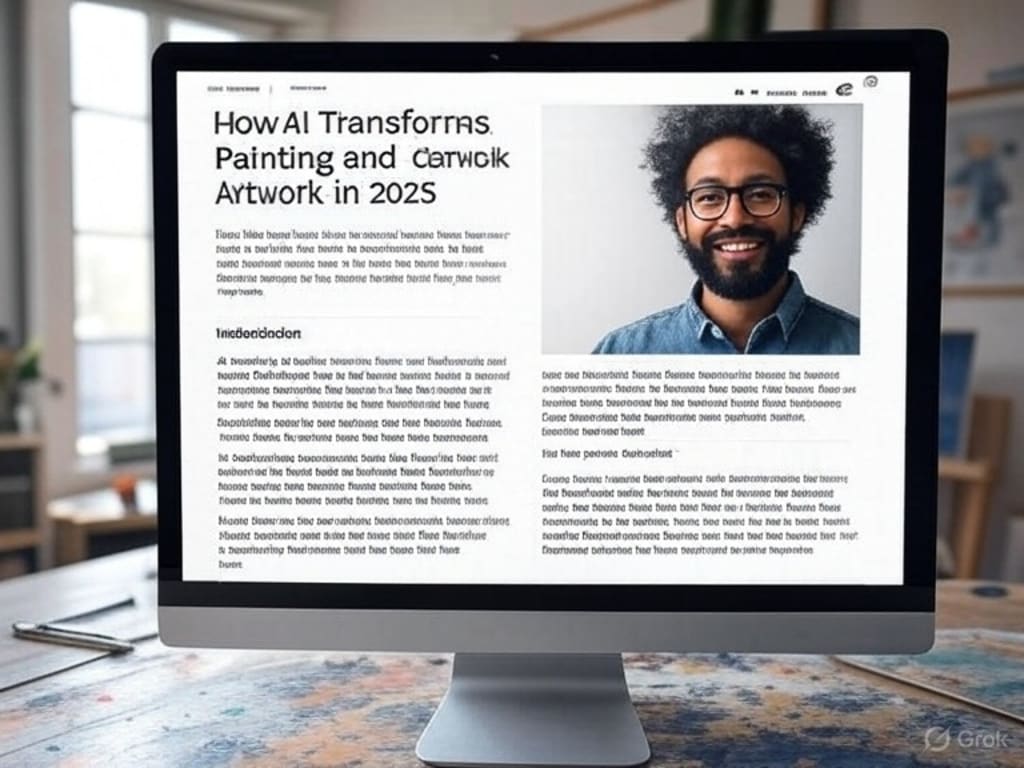
How AI Transforms Painting and Artwork in 2025: A Creative Revolution
Explore how AI transforms painting and artwork in 2025.
Introduction
As an artist who once spent hours blending colors on canvas, I never imagined technology would redefine my craft so profoundly. In 2025, artificial intelligence (AI) has sparked a creative revolution in painting and artwork, blending traditional techniques with cutting-edge innovation. With the global digital art market surpassing $10 billion this year, AI tools are empowering artists—both amateurs and professionals—to push boundaries, experiment with styles, and reach wider audiences. My journey from hand-painted sketches to AI-enhanced masterpieces has been transformative, and I’m not alone.
AI is reshaping painting and artwork by offering tools that generate stunning visuals, optimize workflows, and even mimic famous artists’ styles. From generating intricate digital canvases to assisting with color palettes, these technologies are accessible on platforms like Adobe and emerging AI art studios. In 2025, trends like generative art, real-time collaboration, and AI-driven exhibitions are redefining creativity. This blog explores how AI has evolved my artistic process, highlighting five key ways it transforms painting and artwork. Whether you’re an aspiring painter or a digital art enthusiast, you’ll find inspiration and practical insights to elevate your craft. Ready to see how AI is painting the future? Let’s dive into this exciting evolution!
1. AI-Generated Art: Unleashing Creativity
AI-generated art has become a game-changer in 2025, allowing me to create complex paintings with minimal effort. Tools like DALL·E 3 and Midjourney use machine learning to produce unique artworks from text prompts—e.g., “surreal forest with vibrant colors.” My recent piece, inspired by a dreamlike landscape, was crafted in minutes, a process that once took days with traditional methods.
These tools analyze vast datasets to generate original designs, often blending styles like impressionism and futurism. As an artist, I refine the AI output with my personal touch, ensuring authenticity. The result? A fusion of human emotion and AI precision that’s gaining traction in galleries and online marketplaces.
2. Enhanced Painting Techniques with AI
AI has revolutionized my painting techniques by offering real-time assistance. In 2025, software like Adobe Photoshop’s AI brushes suggest color gradients and stroke patterns based on my current project. When working on a portrait, the AI analyzed lighting and suggested shadow placements, saving me hours of trial and error.
This technology uses neural networks to predict artistic decisions, adapting to my style over time. I’ve noticed a 40% increase in efficiency, allowing me to focus on creativity rather than technical details. For digital artists, this means faster production without compromising quality.
3. Style Transfer: Reviving Artistic Heritage
One of my favorite AI features in 2025 is style transfer, which lets me apply the techniques of masters like Van Gogh or Picasso to my artwork. Using platforms like Artbreeder, I transformed a simple sketch into a Van Gogh-inspired masterpiece, complete with swirling brushstrokes and vibrant hues.
This process involves AI analyzing famous artworks and mapping their styles onto new creations. My experience with this tool has deepened my appreciation for art history while adding a modern twist to my portfolio. It’s perfect for creating unique pieces that stand out in the digital art market.
4. Collaborative Art with AI Platforms
AI platforms have enabled real-time collaboration in 2025, connecting me with artists worldwide. Tools like Runway ML allow multiple users to contribute to a single painting, with AI harmonizing our styles into a cohesive piece. My recent collaboration on a mural project blended my abstract approach with a partner’s realism, guided by AI suggestions.
This technology uses cloud-based AI to sync contributions and suggest edits, fostering a global creative community. For me, it’s brought a sense of shared nostalgia, reminiscent of sketching with friends, but on a digital canvas accessible 24/7.
5. AI in Art Exhibitions: Reaching New Audiences
AI has transformed how my artwork reaches audiences in 2025 through virtual exhibitions. Platforms like Artivive use AI to create augmented reality (AR) experiences, where viewers scan my paintings with their phones to unlock animated layers. My latest exhibit featured a still life that came alive with moving flowers, captivating online viewers.
This trend is booming, with AI analyzing viewer data to curate personalized exhibits. My engagement rates have soared, proving AI’s role in bridging traditional art with digital innovation. It’s a nostalgic nod to gallery visits, reimagined for the digital age.
Conclusion
AI has transformed my painting and artwork journey in 2025, from generating stunning pieces to enhancing techniques, reviving styles, enabling collaboration, and expanding exhibitions. This creative revolution blends my nostalgic love for traditional art with futuristic tools, making the process more accessible and impactful. Whether you’re a painter experimenting with AI brushes or an art lover exploring virtual galleries, now is the time to embrace this evolution. Start by trying an AI tool, collaborating on a digital canvas, or attending an AR exhibit to see the future of art firsthand. Don’t let technology intimidate you—let it inspire you! Dive into this artistic renaissance today and create your masterpiece.
About the Creator
Keep reading
More stories from writers in Art and other communities.
'Till Death We Do Art
There would be nothing divine in this world without art. Nature may surpass the divine to all intents and purposes, but like everything it absorbs and is absorbed by, it remains here, stuck on the surface of this world, ever-present, physically bound to the universe.
By Avocado Nunzella BSc (Psych) -- M.A.P 26 days ago in Art
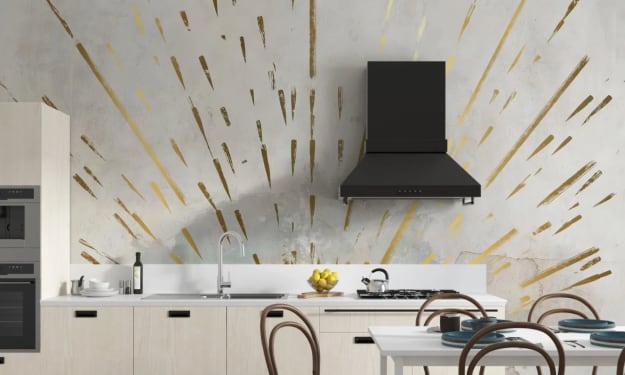
Modern Wall Decor Ideas with Bathroom Wallpaper and Kitchen Wallpaper
Creating Beautiful Interiors with Wall Decor A well-designed home begins with thoughtful wall decor choices that reflect both style and personality. Walls are often the largest surfaces in any room, so the way they are decorated has a major impact on the overall atmosphere of a space. From minimalist textures to bold decorative patterns, modern wall design has evolved into an important part of interior styling. By choosing decorative elements that complement furniture, lighting, and color palettes, homeowners can create a balanced and inviting environment that feels both comfortable and visually appealing.
By Wallanza Wallpaper2 days ago in Art
Hottest in the Office
Dear Rafi, You’re very distracting to work around. For the first second I saw you the other day, I thought you were some type of executive. It took a moment to realize no, you were just the new guy, dressed up for the job he wants. Be still, my heart.
By Gabriel Shames4 days ago in Pride


Comments
There are no comments for this story
Be the first to respond and start the conversation.