
How 3D Engineering Is Transforming Product Design and Development
How 3D Engineering Is Transforming Product Design and Development
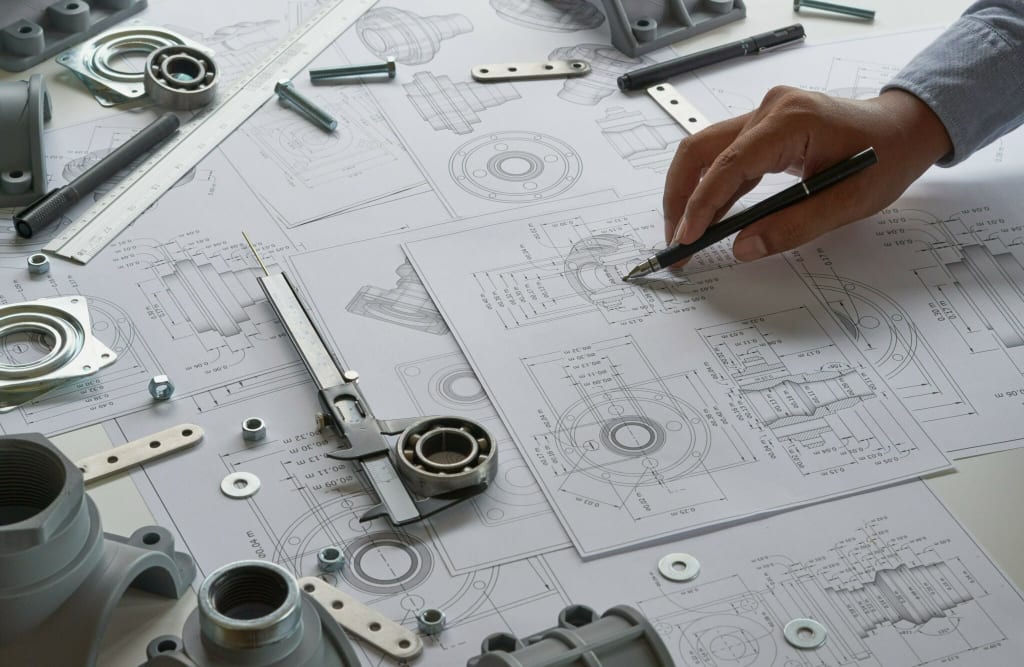
Imagine designing a product where every tiny detail is like a secret treasure, waiting to be discovered and perfected. Sounds thrilling, right? For the longest time, traditional product design has been a bit of a guessing game. You'd sketch on a piece of paper and then try to bring it to life, hoping things work out exactly as you imagined. But let's be honest—2D sketches can only take you so far.
Enter the game-changer: 3D engineering. It's like upgrading from a black-and-white TV to a full-blown virtual reality experience. This cutting-edge approach is transforming the world of product design and development, making the process smoother, faster, and oh so impressive. Ready to see how? Let’s dive into the mesmerizing world of 3D engineering!
Enhanced Visualization
Okay, picture this: You're sipping your morning coffee while staring at a flat sketch of your dream product. Hmm, that's alright, but wouldn't it be thrilling to actually see it in full 3D, with every detail jumping out at you? That’s the magic of 3D engineering. Instead of relying on imagination to fill in the gaps between outlines, 3D models turn imagination into reality right on your screen.
Here's the thing: 3D models give us a comprehensive and precise visualization of products, from every angle and in exquisite detail. We're talking dimensions, materials, textures—the whole shebang! With 3D engineering, designers and stakeholders can wave goodbye to the confusion and misinterpretations that usually come with 2D sketches. Instead, they're equipped with powerful insights that lead to better decisions and more optimized designs. Remember when the beverage company Coca-Cola created a special edition bottle? They utilized detailed 3D models to ensure the bottle was not only functional but also attractive enough to entice buyers.
So, how does this enhanced visualization actually make life easier? With 3D models, you can communicate your ideas with crystal clarity, leaving nothing up to chance. It's like speaking the same language as everyone else in the room, only without words—so cool, right?
Acceleration of Iteration Cycles
Let’s say you’re part of a design team working on a snazzy new gadget. You’ve got a great concept, but hey, a few tweaks could really spice it up. In traditional settings, making changes could feel like an endless crawl. But here’s the kicker: 3D engineering lets you whip through those iteration cycles faster than you can say "prototyping."
Now, here's where things get really exciting. Imagine working for a car company like Ford, where 3D engineering has turbocharged prototype lead times by up to 90%! Instead of waiting forever just to see if an idea works, we can quickly implement feedback and test new concepts almost daily. This rapid iteration means not just getting to the final product quicker, but also ensuring that it's the best version it can be by the time it hits the market. It’s all about embracing speed without sacrificing quality—you'll love it!
Prototyping and Testing Improvements
Ah, prototypes! They’re the first tangible steps toward turning a concept into a product you can actually hold in your hands. Traditionally, prototyping can be slow and costly, but 3D engineering has turned this process on its head. Want to see how? Let’s dig in.
With 3D models paving the way, creating physical prototypes can feel like a breeze. Using cutting-edge tech like 3D printing, designers can test the form, fit, and function of their creations much earlier in the game. It's like a sneak peek into the future, allowing us to spot design issues before they jump out unexpectedly in the real world.
For instance, a startup working on new eco-friendly packaging utilized 3D printing to test different materials, saving them both time and money. Instead of waiting weeks and facing exorbitant costs, they were able to refine and perfect their designs rapidly.
With the ability to print complex or multi-material components right in-house, the iteration time and cost drop dramatically—up to 70% compared to traditional methods! It's not just about saving money; it's about gaining the freedom to innovate without the constraints of older, slower technologies.
Design Flexibility and Innovation
Imagine being able to push the boundaries of what’s possible in design. We’re talking customized components, intricate geometries, and creative features that were once mere dreams for designers. That’s where 3D engineering truly shines.
Have you ever wondered how those jaw-dropping custom sneaker designs or one-of-a-kind jewelry pieces come to life? Yup, that’s 3D engineering for you, breaking the mold of conventional manufacturing constraints. It offers a playground for creativity and innovation, allowing designers to experiment with things that were once thought impossible.
Take the aerospace industry, for example. With 3D engineering, companies are crafting lighter, more efficient parts without sacrificing strength or integrity. It’s like LEGO for grown-ups, only with far more freedom and potential.
With every new iteration and completed project, it becomes evident: the sky isn't the limit anymore, thanks to 3D engineering pushing design boundaries ever further.
Collaboration Enhancement
If you’ve ever tried to put a puzzle together without having everyone on the same page, you’ll know just how important seamless collaboration is. It’s no different when it comes to design projects, especially when they’re complex and involve multiple teams. That’s where 3D engineering comes in, acting as the ultimate team builder.
Let's break it down: 3D models make information sharing easier than ever before. Designers, engineers, and clients can seamlessly exchange ideas, get real-time feedback, and make cohesive decisions—all while accessing the same detailed 3D visuals. It’s like having a digital workbench where everyone can see, touch, and discuss the same masterpiece as it evolves. It's like the ultimate team brainstorm, only you don’t have to leave your workspace.
And, with cloud-based review portals, collaboration becomes even more effortless. Using standard file formats, revisions are tracked, and every team member stays in the loop. It’s the difference between a scattered meeting and one where everyone is in sync and ready to create something amazing together.
Cost Reduction Benefits
Let’s not mince words—creating prototypes the old way could sometimes feel like draining your wallet for uncertain outcomes. But here’s some great news: with 3D engineering, the game has changed. By eliminating the costly need for tooling and offering digital blueprints instead of physical models, companies can significantly slash their expenses.
Say you’re a startup with a brilliant idea but a tight budget. In the past, this might've meant waiting until you had the funds to develop your product. Now, thanks to 3D engineering, small businesses can play on even ground with the big leagues.
A fascinating case study comes from the small-scale household goods company, Luma, which used 3D engineering to develop their entire line without breaking the bank. They reduced upfront expenses dramatically, allowing them to launch successfully and compete effectively in their market.
In just about every industry we've looked at, the statistics show that 3D engineering isn't just saving money—it's empowering businesses to reinvest in smarter, more innovative solutions, all while maintaining top-notch product quality. How's that for a game-changer?
Conclusion
And there you have it, the riveting journey of how 3D engineering is transforming the product design and development landscape as we know it! From amazing visual clarity and blazingly fast iteration cycles to groundbreaking collaboration enhancements and unbeatable cost reduction, it's clear that embracing this technology is like harnessing the power of creativity and efficiency combined.
What’s even more exciting is the bright horizon beyond today’s discoveries. As 3D technology continues to evolve, who knows what incredible innovation lies ahead? For now, one thing is certain—the design world is poised for an exciting ride, and with 3D engineering, the future has never looked more promising. Let's get ready to explore even greater possibilities together!
About the Creator
Keep reading
More stories from Junaid Awan and writers in Art and other communities.
How Specialist Software Facilitates Communication Among Healthcare Teams
Effective communication is crucial. In a field where lives are on the line, it easily becomes a top priority. Communication in healthcare settings means patients receive timely and accurate care.
By Junaid Awanabout a year ago in Art
'Till Death We Do Art
There would be nothing divine in this world without art. Nature may surpass the divine to all intents and purposes, but like everything it absorbs and is absorbed by, it remains here, stuck on the surface of this world, ever-present, physically bound to the universe.
By Avocado Nunzella BSc (Psych) -- M.A.P 15 days ago in Art
Kitchen Help by Amy Lyn Bihrle
Introduction I follow The Reiki Cat Lady on Facebook as they share some wonderful feline artwork and this lovely funny one caught my eye to inspire a story. They remind me of my friends Cherri and Amanda's and my daughter Juliet's cats that know where all the treats are hidden, in the kitchen.
By Mike Singleton 💜 Mikeydred 4 days ago in Art
When the Shelter Closes
Across the street from my house, a man slept under a tree, his dog by his side. My first, naive thought: he must be traveling through. But he kept coming back, often sleeping there during the day. Then it hit me—that person might not have a home.
By Bride of Sound6 days ago in Humans




Comments
There are no comments for this story
Be the first to respond and start the conversation.