
Henna Art (Mehndi): A close guide to intricate pattern design
A close guide to intricate pattern design
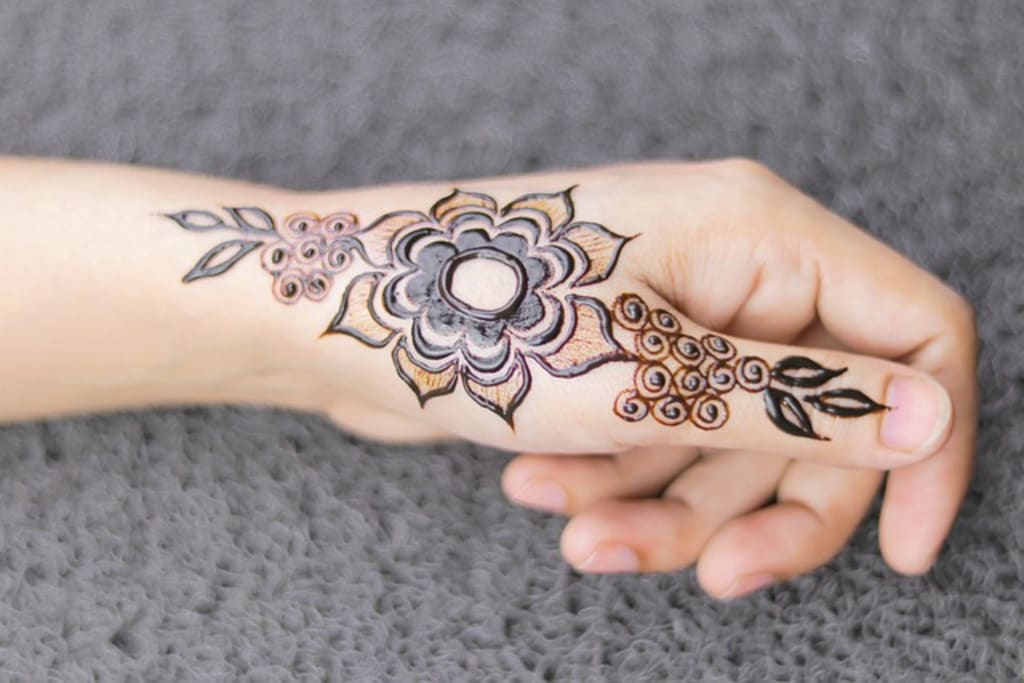
Henna Art (Mehndi): A close guide to intricate pattern design
Introduction
Mehndi, otherwise known as Henna art, is a very lovely decorative skin treatment that has been practiced since ancient times. This complex and transitory art of designing one’s body is done using the henna paste, and is actually a culture which is almost inherent to South Asia, certain parts of Africa and Middle Eastern countries. This has made it go past cultural divide and is now appreciated across the world. If you are an enthusiast, potential henna artist or just interested in its techniques, this guide will provide brief information about basics of elaborate henna patterns design.
What is Henna Art?
Henna art includes the use of a paste prepared from henna leaves Powder to the skin. When done it forms a reddish-brown which slowly wears off time after time. In the past it was used to paint on any festive event like marriage, festivals or special occasions meaning beauty, joy and blessing.
Essentials for Henna Design
Henna Paste Preparation
Use fresh henna powder for the best results.
Mix it with natural ingredients like lemon juice, sugar, and essential oils such as eucalyptus or lavender.
Let the mixture rest for 12-24 hours for optimal dye release.
Tools for Application
Henna Cones: The most popular tool for applying henna due to their precision and ease of use.
Plastic Bottles with Fine Tips: Suitable for controlled application.
Toothpicks or Brushes: Useful for detailing or small adjustments.
How to Make Intricate Patterns
Start with the Basics
Know the basic shapes: dots, lines, circles, and curves.
Practice symmetry: flowers, vines, and leaves.
2.Plan Your Design
Divide the hand or area into sections: fingers, palms, wrists.
Light pencil sketch out intricate designs.
3.Add Traditional Motifs
Paisleys: A teardrop-shaped motif, iconic in henna designs.
Mandala Patterns: Circular designs radiating intricate details.
Arabic Style: It is marked by bold, flowy patterns of flowers and leaves.
Indian Style: Dense and intricate designs on large areas and storytelling.
4.Negative Space
There are gaps left between the patterns to highlight specific motifs.
5.Technique
Add depth by shading or layering of patterns.
Traditional designs combined with modern elements, such as geometric shapes or abstract art.
Henna Design Tips
Consistency of Paste: The henna paste should be smooth and free of clumps for even application.
Pressure Control: Practice squeezing the cone lightly for fine lines and firmly for thicker strokes.
Keep it Symmetrical: Use mirror techniques for balanced designs.
Stain Longevity: After application, let the paste dry naturally and apply lemon-sugar water to enhance the stain.
The Cultural and Global Appeal
Henna art is no longer confined to traditional ceremonies. Its use in modern fashion, festivals, and even body art competitions highlights its global popularity. People worldwide appreciate its versatility, from minimalistic designs for casual events to elaborate patterns for weddings.
The Joy of Henna Art
The learning and practicing of henna art is indeed a very satisfying experience. In addition to the aesthetic appeal, it connects individuals to an ancient tradition while also offering a meditative and creative outlet. One can master this skill with dedication and practice for intricate designs on henna art.
Conclusion
More than just a momentary decoration, henna art is so much more-this timeless craft brings beauty, joy, and richness to cultures who practice and wear it. By learning the simplest designs and then slowly adopting more intricate ones, you can develop your skills and add to this beautiful tradition. Whether as a hobby or a career, the world of henna art is full of opportunities and endless inspiration.
About the Creator
Somarajan Pillai
I am a social media person.
Keep reading
More stories from writers in Art and other communities.
Dog Shoes for Small Dogs and Puppy Shoes A Practical, Paw-Friendly Guide
Small dogs and puppies may look tough, but their paws often need more protection than people realize. Their bodies are lighter, their paws are smaller, and many of them spend a lot of time on surfaces that were never designed for delicate paw pads. Add cold sidewalks, hot pavement, rough gravel, wet grass, or even slippery indoor floors, and you start to see why dog footwear has become more than just a cute trend.
By aliyashahzadi7 days ago in Art
Every Brushstroke Was a Wish
In the small, quiet town of Avelar, there was a woman named Lena who painted with the kind of passion that only the truly lost could understand. Her cottage was perched at the edge of a vast forest, the kind of place where the whispers of the trees seemed to reach through the windowpanes, mingling with the rhythm of her brush against canvas. People in the town would pass by and sometimes glance at the paintings displayed in her window. But few, if any, understood the soul of her work.
By Jhon smith5 days ago in Art


Comments
There are no comments for this story
Be the first to respond and start the conversation.