
Helvetica Font: A Timeless Typeface Revolution
Helvetica Font

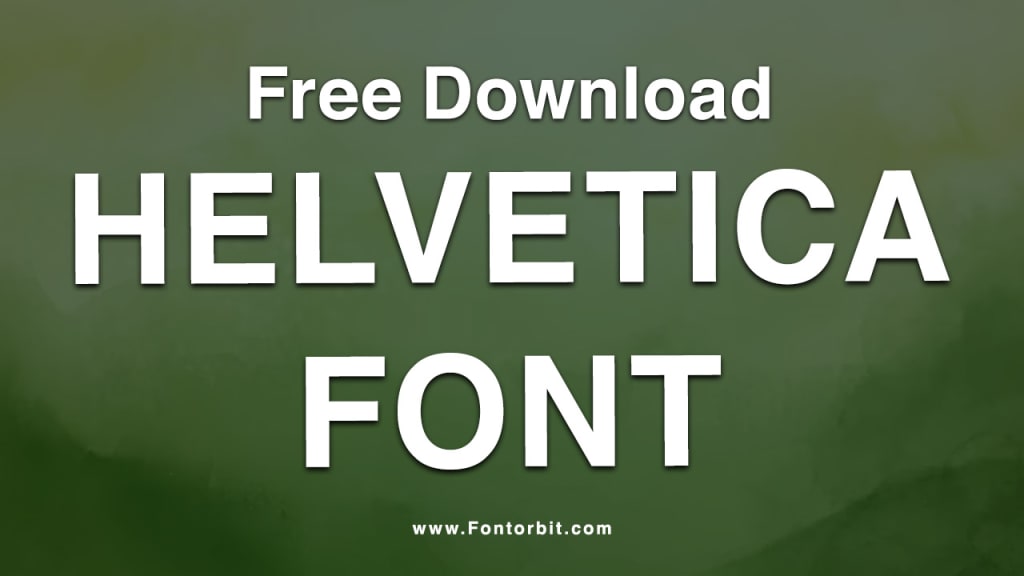
Helvetica is more than just a font; it is a design phenomenon that has stood the test of time. Since its inception in 1957 by Swiss typeface designer Max Miedinger, Helvetica has revolutionized the world of typography with its clean, modern, and versatile design.
Whether it's used in corporate branding, public signage, or digital interfaces, Helvetica remains one of the most iconic and widely-used typefaces in the world.
The History of Helvetica
Helvetica was originally created as a sans-serif typeface for the Haas Type Foundry in Switzerland. Initially named "Neue Haas Grotesk," it was later renamed "Helvetica," derived from the Latin word for Switzerland. The typeface was designed during a period of typographic innovation and was intended to create a neutral and legible font that could adapt to various applications.
The post-World War II era saw a surge in demand for modern and functional design. Helvetica fit perfectly into this aesthetic, offering simplicity, clarity, and a lack of ornamentation. By the 1960s, it had become synonymous with the International Typographic Style, also known as Swiss Design, which emphasized minimalism and readability.
Key Features of Helvetica
Neutrality: Helvetica’s design avoids any overt personality, making it suitable for a wide range of applications.
Versatility: It works seamlessly across different media, including print, digital, and environmental graphics.
Legibility: Its clean lines and balanced proportions ensure readability at any size.
Wide Range of Weights: Helvetica comes in multiple weights and styles, including bold, italic, and light, enhancing its adaptability.
Timeless Appeal: Its modern yet classic aesthetic has allowed it to remain relevant for decades.
Helvetica in Popular Culture
Helvetica’s influence extends beyond design into the realms of art, advertising, and pop culture. It has been adopted by countless brands, including American Airlines, BMW, and Apple. The typeface’s widespread use was even celebrated in the 2007 documentary Helvetica, which explored its cultural impact and enduring popularity.
In public spaces, Helvetica is often seen in signage for transportation systems, including the New York City subway. Its clarity and uniformity make it an ideal choice for communicating critical information.
Why Designers Love Helvetica
Designers appreciate Helvetica for its simplicity and functionality. Its neutral design allows it to blend into any context without overshadowing the message it conveys. Whether creating logos, websites, or print materials, Helvetica offers a reliable foundation for effective communication.
Criticism of Helvetica
While Helvetica’s ubiquity is a testament to its success, it has also attracted criticism. Some argue that its overuse leads to a lack of originality in design. Others point out that its tightly spaced letters can be challenging to read in smaller sizes. Despite these criticisms, Helvetica remains a cornerstone of modern typography.
Conclusion
Helvetica’s enduring popularity is a testament to its timeless design and unmatched versatility. Its ability to adapt to changing trends and technologies has ensured its place as a staple in the world of typography. Whether you’re a seasoned designer or a typography enthusiast, Helvetica offers a masterclass in the power of simplicity and functionality.
FAQs about Helvetica Font
1. What makes Helvetica different from other fonts?
Helvetica’s neutrality, versatility, and timeless design set it apart. Its clean lines and balanced proportions make it suitable for almost any application.
2. Why is Helvetica so popular?
Helvetica’s popularity stems from its simplicity, readability, and adaptability. It fits seamlessly into diverse design contexts, from corporate branding to public signage.
3. Is Helvetica free to use?
Helvetica is a commercial font, and you need a license to use it in most applications. However, some similar free alternatives, like Arial or Open Sans, are widely available.
4. What is the difference between Helvetica and Arial?
Although similar in appearance, Helvetica has tighter spacing and more balanced proportions, while Arial features a slightly more mechanical design.
5. Can Helvetica be used for digital applications?
Yes, Helvetica is highly adaptable to digital interfaces and remains a popular choice for web and app design due to its readability and clean aesthetic.
6. What are some alternatives to Helvetica?
Alternatives include Arial, Univers, Roboto, and Open Sans, which share similar design principles while offering unique variations.
7. How do I identify Helvetica in the wild?
Look for clean, geometric shapes and balanced proportions. Helvetica’s letters often have consistent stroke widths and a neutral design that avoids flair.
About the Creator
Jillur Rahaman
Jillur Rahman is the creative mind behind FontOrbit. This website is a vibrant hub for typography enthusiasts. With a CSE degree and over a decade of experience in web design & development, Jillur got passion for sharing knowledge.
Keep reading
More stories from Jillur Rahaman and writers in Art and other communities.
Anton Font: A Bold Statement in Typography
When it comes to making a statement in typography, the Anton font stands out as a versatile and striking choice. Designed by Vernon Adams, Anton has become a favorite among designers who aim to create bold, impactful visuals.
By Jillur Rahamanabout a year ago in Art
The Other Way
The Other Way – Story No. 2878 Nader had a gold watch, a precious gift from his grandfather. “Sir! Please, just give me two hundred rupees. You can deduct it from my wages. For God’s sake, have mercy on me, I am poor!” Nasser’s eyes were filled with tears as he clutched the feet of Seth Qamaruddin, pleading desperately.
By Sudais Zakwan2 days ago in Art




Comments
There are no comments for this story
Be the first to respond and start the conversation.