
"Harvests at Risk: How Climate Change Is Threatening Global Food Security"
Extreme weather, rising temperatures, and shifting climates are endangering crops, driving up prices, and putting millions at risk of hunger—demanding urgent global action.

By: International News Network
Date: April 5, 2025
As the effects of climate change intensify across the globe, experts are sounding alarms about one of the most pressing and interconnected challenges humanity faces: food security. Rising temperatures, shifting precipitation patterns, and increasing frequency of extreme weather events are placing unprecedented stress on the world’s ability to produce enough food for a growing population.
According to the Intergovernmental Panel on Climate Change (IPCC), climate change is already reducing agricultural productivity in many regions, particularly in the global South. Sub-Saharan Africa, South Asia, and parts of Latin America are among the hardest hit, where communities heavily rely on subsistence farming and lack the infrastructure to adapt quickly.
Extreme Weather and Crop Failure
One of the most direct impacts of climate change on agriculture is the rise in extreme weather events. Floods, droughts, hurricanes, and heatwaves are becoming more frequent and more severe. These events not only destroy crops and livestock but also damage infrastructure, disrupt supply chains, and erode the resilience of farming communities.
In 2024 alone, prolonged drought conditions in East Africa led to massive crop failures and the loss of livestock, pushing millions toward famine. Meanwhile, record-breaking heatwaves in southern Europe reduced wheat and olive harvests by up to 30%, contributing to rising food prices across the continent.
The United States, a major exporter of agricultural goods, is also feeling the strain. In the Midwest, unpredictable spring weather and heavy rainfall have delayed planting seasons, while hotter summers are reducing yields of corn and soybeans.
Global Food Prices on the Rise
The disruption of food production is having a direct impact on food prices. The Food and Agriculture Organization (FAO) of the United Nations reported that the global food price index rose by 15% in 2024, marking the highest increase in over a decade. Staples such as rice, wheat, and maize have seen particularly sharp price hikes, putting pressure on low-income households worldwide.
"The global food system is interconnected," said Dr. Leila Hassan, a climate and agriculture expert at the FAO. "When production falters in one region, it affects markets everywhere. Climate change is no longer a future threat; it's a present-day crisis affecting what we eat and how much we pay for it."
Impact on Nutrition and Health
Food insecurity is not just about hunger; it's also about nutrition. As crops fail or become more expensive, families often turn to cheaper, less nutritious food. This shift has contributed to a global increase in malnutrition, particularly among children.
In 2023, UNICEF estimated that over 45 million children under the age of five suffered from wasting, a condition caused by acute undernutrition. Experts warn that climate change could push these numbers even higher if urgent action is not taken.
Moreover, climate-driven food insecurity can increase the risk of conflict and displacement. As resources become scarce, competition over water and arable land can escalate into violence, further destabilizing regions already vulnerable due to poverty or political unrest.
Technological Innovation and Adaptation
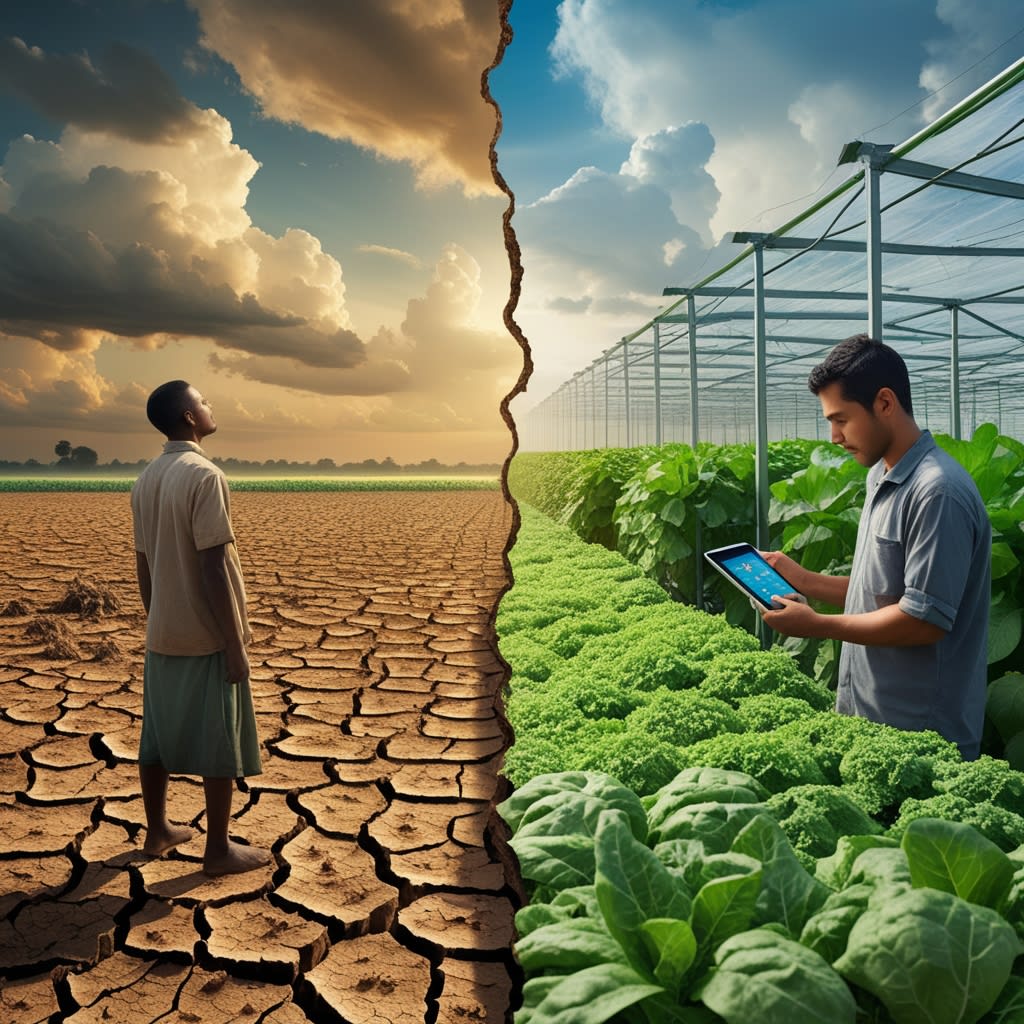
Despite the grim outlook, there is hope. Advances in agricultural technology and innovative farming practices are helping some communities adapt to the changing climate. Drought-resistant crops, precision agriculture, vertical farming, and regenerative practices are proving effective in improving yields while reducing environmental impact.
In India, for instance, the government has introduced climate-resilient rice varieties that mature faster and require less water. In Kenya, mobile apps are helping farmers track weather patterns and get real-time advice on pest control and crop management. Meanwhile, countries like the Netherlands are leading the way in sustainable agriculture by using high-tech greenhouses and minimal land.
"Adaptation is essential, but it requires investment," said Maria Gomez, a policy analyst at the World Bank. "Developing nations need financial and technical support from the international community to build resilient food systems."
The Role of International Cooperation
Solving the food security crisis requires coordinated global action. In 2023, the United Nations launched the “Resilient Food Systems” initiative, aimed at mobilizing $10 billion in climate adaptation funding for the agricultural sector. The initiative focuses on supporting smallholder farmers, improving early warning systems, and strengthening supply chains.
However, many critics argue that funding commitments have fallen short and that wealthy nations are not doing enough to reduce their own emissions or help vulnerable countries adapt.
“Climate change is a global problem, but the burden is not shared equally,” said Dr. Hassan. “Countries that have contributed the least to global warming are suffering the most. It’s a moral and practical imperative that we act together.”
Looking Ahead
The coming decades will be critical in determining whether humanity can feed itself in a warming world. Scientists emphasize that reducing greenhouse gas emissions is vital to limiting future damage. At the same time, building resilient, sustainable, and inclusive food systems will be essential to ensure that everyone has access to safe and nutritious food.
With global population expected to reach 9.7 billion by 2050, the challenge is immense—but not insurmountable. Through innovation, cooperation, and a commitment to climate justice, the world still has a chance to safeguard its food future.
About the Creator
Reader insights
Outstanding
Excellent work. Looking forward to reading more!
Top insights
Masterful proofreading
Zero grammar & spelling mistakes
Easy to read and follow
Well-structured & engaging content
Excellent storytelling
Original narrative & well developed characters
Expert insights and opinions
Arguments were carefully researched and presented
Eye opening
Niche topic & fresh perspectives
Heartfelt and relatable
The story invoked strong personal emotions
Compelling and original writing
Creative use of language & vocab
On-point and relevant
Writing reflected the title & theme
Keep reading
More stories from Mujeeb Ur Rahman and writers in Art and other communities.
The Last Letter from the Sea
The rain hadn’t stopped for three days. It drummed softly against the window of Aiden’s small apartment, a rhythm that had become both his comfort and his curse. Every drop reminded him of her — the way she used to press her face against the glass and say, “Listen, Aiden, even the rain has a heartbeat.”
By Mujeeb Ur Rahman5 months ago in Art
'Till Death We Do Art
There would be nothing divine in this world without art. Nature may surpass the divine to all intents and purposes, but like everything it absorbs and is absorbed by, it remains here, stuck on the surface of this world, ever-present, physically bound to the universe.
By Avocado Nunzella BSc (Psych) -- M.A.P 25 days ago in Art
Keto and Kote
This story has been sitting in my drafts for a long time because I didn't have good pictures for it. Murphy's law: I went to the performance with my phone discharged. But then I found the entire performance on YouTube and am now delightfully happy to share it with you.
By Lana V Lynx4 days ago in Art
Becca
"Everything is so... flat." Denille said stupidly as she looked around her new neighborhood. She looked around at the muted desert where even the smallest sign of life seemed to have given up. The plant life was shrubs that were half cooked by the heat and where there should have been a lawn, a mess of white rocks laid glistening in the sun. Even the sky looked stretched thin, like the sun had ironed it smooth. She’d moved from Riverside, where at least there were hills, but here in Barstow, everything felt baked and brittle.
By Sara Wilson8 days ago in Fiction




Comments (4)
Beautiful description
Very good
Amazing story
So beautiful story