
Grateful Hearts, Greater Miracles
Finding Strength in Thankfulness
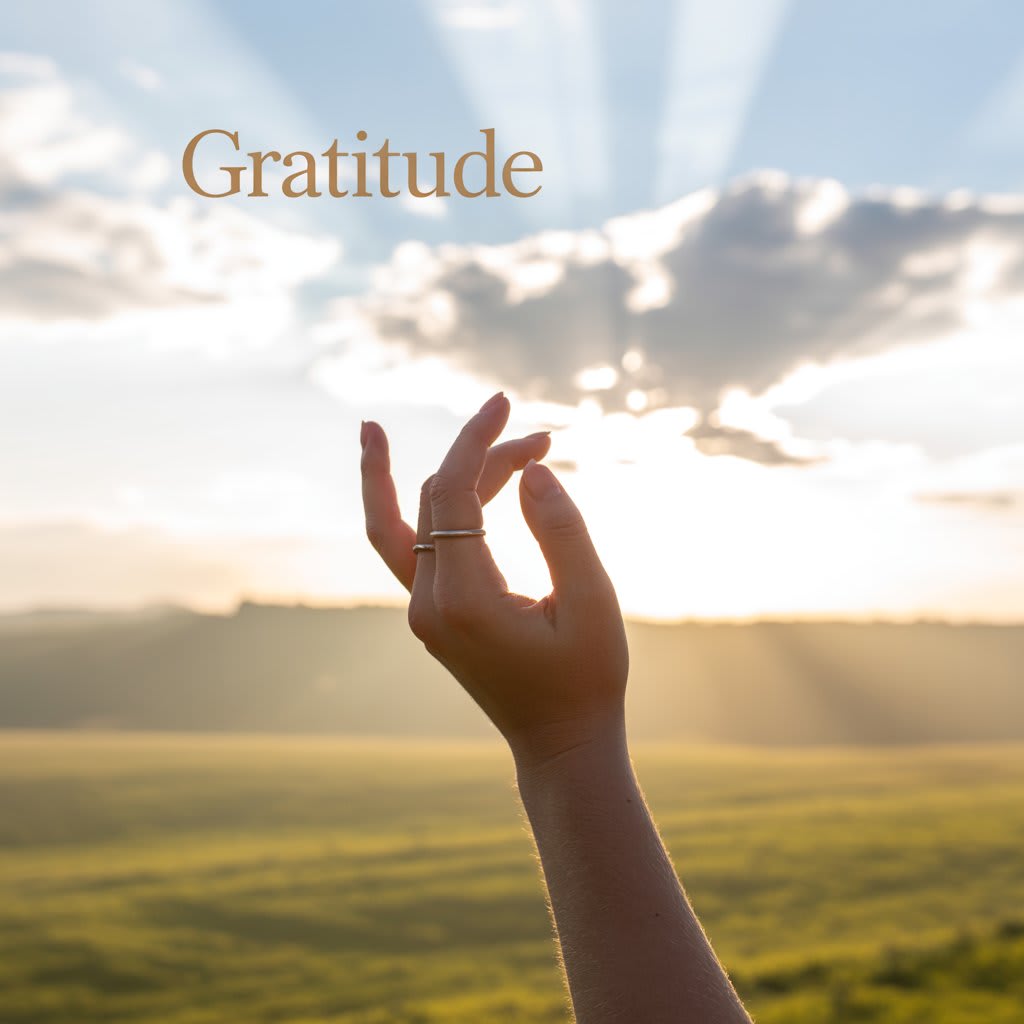
The Power of Gratitude
How a Simple 'Thank You' Changed a Life
In a small village nestled among green hills, lived a young man named Hamza. He was known for his quiet nature and serious demeanor. Though hardworking and honest, Hamza rarely smiled and spoke even less. He worked as a carpenter, building furniture for the people in the village. Day after day, he would rise with the sun, work silently in his small workshop, and return home as darkness fell.
To the villagers, Hamza seemed content. But inside, he carried a heavy burden. He had lost his parents in a car accident when he was just 16. Since then, he had struggled alone — no siblings, no relatives nearby. Life had taught him to survive, but not to feel joy. Over time, he had built a wall around his heart, convinced that life was only about duty, not happiness.
One cold morning, as Hamza was sweeping sawdust off the floor of his workshop, a little boy came running in. He was barefoot, his clothes torn and patched. His name was Bilal, and he was the youngest son of the village widow, Khala Zainab.
“Uncle Hamza,” Bilal said shyly, “can you fix my chair? It's broken, and I can’t do my homework on the floor.”
Hamza looked at the small, three-legged stool in the boy’s hands. It was cracked and poorly built — clearly not worth repairing. Still, something in Bilal’s hopeful eyes softened Hamza’s heart.
“Leave it here,” he said gruffly. “Come back tomorrow.”
The next day, Bilal returned. When Hamza handed him the newly repaired stool — sanded, polished, and now standing firmly on four legs — the boy’s eyes lit up.
“Thank you, Uncle Hamza! It’s better than before!”
Hamza nodded, unsure how to respond. But as Bilal turned to leave, he paused, then ran back and gave Hamza a quick hug.
That moment — that small act of gratitude — touched Hamza in a way he couldn’t explain.
In the days that followed, something began to change. Hamza started noticing small things he had always ignored — the laughter of children in the street, the way sunlight danced through the leaves, the sound of rain on his tin roof. He began greeting people in the village, accepting tea invitations, and even sharing his lunch with others.
But more than that, he started keeping a small notebook. At the end of each day, he would write down three things he was grateful for — even if they were simple: “Today the wood didn’t splinter.” “Khala Zainab sent me kheer.” “The sunset was beautiful.”
As the weeks passed, his notebook filled with blessings he had never counted before.
One evening, Bilal returned, this time with his mother. She held a small bundle wrapped in cloth.
“Hamza beta,” she said, “you did more than fix a stool. You made my son feel important. This is all I have — a shawl I knitted myself. Please accept it.”
Hamza hesitated, then nodded. He unfolded the shawl and saw that it was stitched with care. It was warm, soft, and smelled faintly of cardamom and rose water.
“Thank you,” he said, his voice cracking slightly. “This means more than you know.”
That night, he wrote in his notebook: “I am grateful for kindness returned. And for the feeling that I am no longer invisible.”
Months turned into a year. Hamza’s workshop became busier, not just with customers, but with visitors. Children would bring broken toys, women would ask for shelves, and elders would stop by just to chat. Hamza, once the quiet carpenter, had become someone people looked forward to seeing.
But perhaps the biggest change came within him. Gratitude had opened his eyes — not only to the good around him but to the good within him. He no longer saw himself as a lonely orphan, but as a useful member of the community. He realized that his hands could build more than furniture; they could build trust, love, and hope.
Then one day, a letter arrived from the city. It was from a former customer who had moved away. He had been so touched by Hamza’s kindness that he recommended him for a training program in advanced carpentry. The program offered not only learning but also the opportunity to teach others.
Hamza packed his tools, his gratitude journal, and the shawl — which he still used every winter — and left the village with a full heart.
As he stepped onto the bus, Bilal ran up to him one last time.
“Uncle Hamza,” he shouted, “thank you… for everything!”
Hamza smiled, his eyes shining. “No, Bilal,” he replied. “Thank you. You were the first person who made me feel seen.”
And with that, he began a new chapter — built not with wood and nails alone, but with the power of gratitude.
Moral of the Story:
Sometimes, a simple "thank you" can change the direction of a person's life. Gratitude isn’t just about manners — it's a force that heals wounds, builds connections, and transforms hearts.
About the Creator
Keep reading
More stories from Muhammad Ansar and writers in Art and other communities.
The Colors of a Soul
Life had always appeared black and white to Ayaan. Born into a family where survival was more important than dreams, he learned early to hide emotions behind silence. Joy, sadness, hope—all of them seemed like luxuries. His world was plain, predictable, and devoid of color.
By Muhammad Ansar6 months ago in Art
Nature Light Portraits
In a small town, nestled between towering mountains and lush forests, lived three friends: Leo, Mia, and Sam. They were curious teenagers, always exploring and getting into adventures. They shared a dream of capturing the beauty of nature in photographs, which they called “Nature Light Portraits.”
By Hamad Afridi 5 days ago in Art



Comments
There are no comments for this story
Be the first to respond and start the conversation.