
Gospel Music's Vibrant History
"From Spiritual Roots to Global Impact: Unveiling the Tapestry of Gospel Music's Vibrant History"

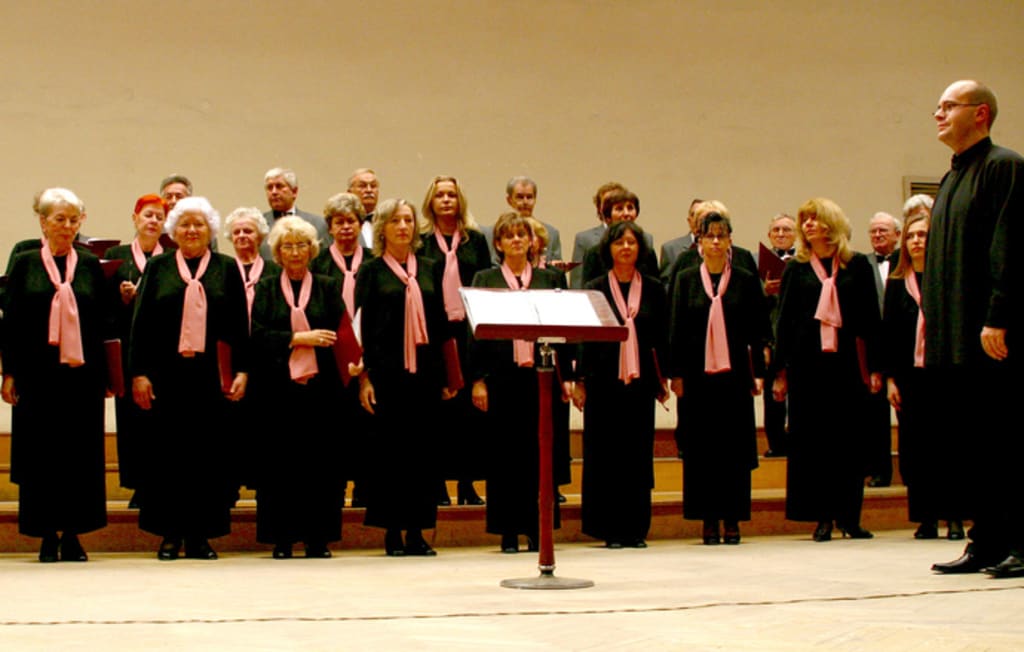
In the rich tapestry of musical genres, Gospel music stands out as a vibrant and soul-stirring genre that has left an indelible mark on the world. With deep roots in African-American culture and a powerful message of faith and hope, Gospel music has captivated audiences for decades. Let us embark on a journey through time, exploring the captivating history of Gospel music.
The origins of Gospel music can be traced back to the 17th century when African slaves were forcibly brought to America. Stripped of their freedom, they sought solace and strength in their spiritual beliefs. Drawing from the oral traditions of their West African homelands, they blended elements of African rhythms, call-and-response patterns, and Christian hymns to create a new form of expression.
As the years passed, Gospel music evolved within the African-American community. It found its voice in the vibrant church services and revivals that were central to their spiritual lives. The first Gospel songs were often simple melodies accompanied by hand clapping and foot stomping, resonating with the profound emotions of the congregation.
In the late 19th century, the advent of the printing press and the rise of African-American publishing houses allowed Gospel music to reach a wider audience. Thomas A. Dorsey, often referred to as the "Father of Gospel Music," played a pivotal role in shaping the genre. Combining his background as a blues pianist with his passion for religious music, Dorsey wrote and composed numerous Gospel songs that showcased a unique blend of joy and sorrow.
The 20th century brought further transformation to Gospel music. As African-Americans migrated from the rural South to urban centers like Chicago and Detroit during the Great Migration, they brought their musical traditions with them. This led to the emergence of Gospel choirs and quartets, as well as the use of instruments such as the piano, organ, and drums.
One of the most significant milestones in Gospel music's history came in the 1930s with the formation of the National Convention of Gospel Choirs and Choruses. This organization, under the leadership of Reverend James Cleveland, provided a platform for Gospel musicians to share their talents and collaborate. Gospel music gained mainstream recognition, and artists like Mahalia Jackson, Sister Rosetta Tharpe, and The Dixie Hummingbirds became household names.
In the following decades, Gospel music continued to evolve, blending with other genres such as jazz, R&B, and rock. The 1960s and 1970s saw a surge in popularity as Gospel music crossed over to the mainstream, captivating audiences around the world. The powerful vocals, infectious energy, and uplifting messages touched the hearts of people from all walks of life.
Today, Gospel music remains a vital force in the music industry, with artists like Kirk Franklin, Yolanda Adams, and CeCe Winans carrying the torch. The genre has expanded its reach through contemporary Gospel, incorporating elements of hip-hop, pop, and electronic music.
The history of Gospel music is a testament to the resilience, creativity, and spiritual strength of the African-American community. From its humble beginnings in the darkest days of slavery to its global impact in the 21st century, Gospel music continues to inspire and uplift millions of people worldwide.
As we reflect on the journey of Gospel music, we recognize the profound legacy it has left behind. Its melodies, rhythms, and lyrics continue to echo through time, reminding us of the power of faith, hope, and the enduring spirit of music.
About the Creator
Deejay Wesh
Kevin is a talented DJ, digital content specialist, and skilled content writer. With a passion for music and a knack for creating engaging content, he brings a unique blend of creativity and professionalism to every project.
Keep reading
More stories from writers in Art and other communities.
'Till Death We Do Art
There would be nothing divine in this world without art. Nature may surpass the divine to all intents and purposes, but like everything it absorbs and is absorbed by, it remains here, stuck on the surface of this world, ever-present, physically bound to the universe.
By Avocado Nunzella BSc (Psych) -- M.A.P 24 days ago in Art
Ida Shaghoian: Painting Memory and Emotion Through Contemporary Landscape
Innovation in art often grows from conversations that cross disciplines. Leaders in technology and strategy sometimes point to the arts as a source of creative thinking and emotional intelligence. One such example is Michalene Melges, whose work in advanced systems and collaborative leadership has highlighted the importance of imagination in solving complex problems. Her perspective reflects a broader cultural truth. Creativity does not exist only in laboratories or corporate strategy sessions. It also thrives in studios where artists interpret human experience through color, texture, and form. Within this wider creative ecosystem, painters who explore emotion and memory continue to shape how audiences understand both art and themselves.
By Ida Shaghoian7 days ago in Art
Top tipple tricks
Been thinking a lot about drinking, lately. Not least because of a recent episode of over-indulgence and the inevitable after effects. Some readers may recall the earlier articles I wrote about beating the booze. Here I set out an experiment in techniques for cutting down on my alcohol intake. The experiment was successful, the techniques worked, and I have armed myself with an arsenal of weapons in the war against the demon drink. I have yet to fire the first round however. It's all a question of timing (perhaps procrastination).
By Raymond G. Taylor4 days ago in Psyche
Silken Chains
Silhouettes of the female form were given flesh and bone. Silken skin glistened under the spotlight. Dry ice rose around our Icons as they danced atop their podiums in the Square. Heralded for their beauty, their movements were slight, powerful, and sensual.
By Paul Stewart7 days ago in Fiction




Comments (1)
very nice