
From Playroom to Classroom: How Educational Toys Prepare Kids for School
From ABC Blocks to Real Classroom Confidence

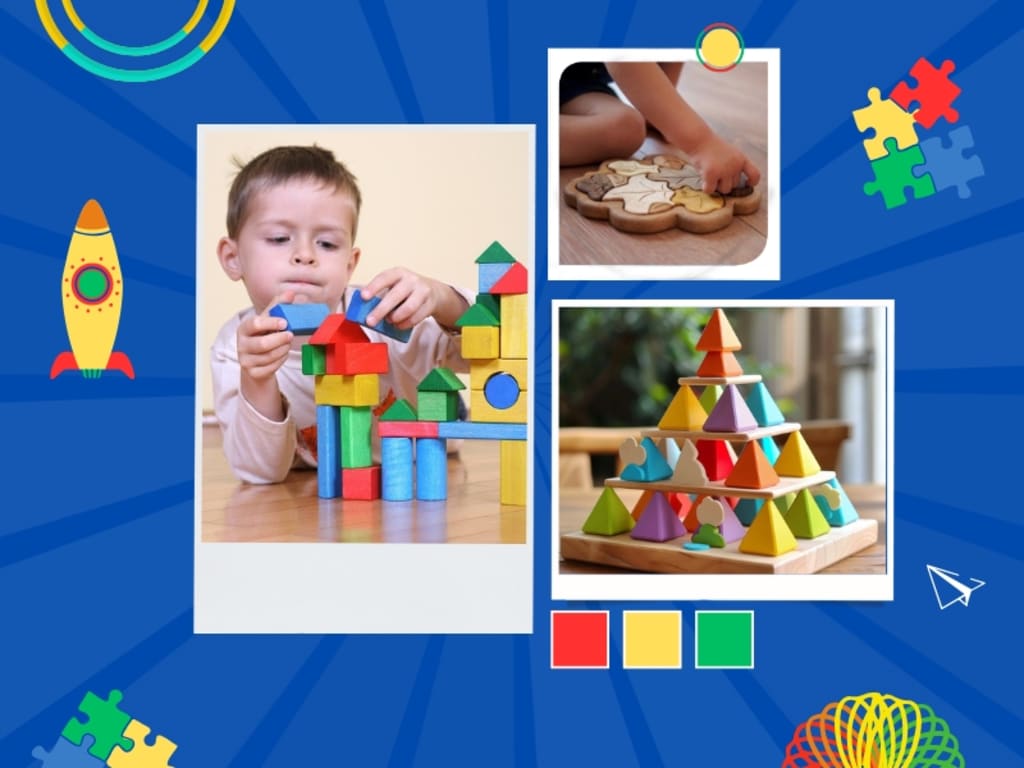
Before a child ever picks up a pencil or opens a textbook, their first lessons begin in the playroom. Educational toys may look simple, but they’re quietly laying the groundwork for school success. From critical thinking to emotional regulation, toys teach vital skills that children carry with them into the classroom and beyond.
1. Toys That Teach Without Teaching
Educational toys introduce key school-readiness skills through joyful, hands-on experiences. A puzzle builds spatial reasoning. Stacking blocks nurture fine motor skills. Pretend play kits foster imagination and storytelling. Kids don’t realize they’re learning—they’re just having fun.
Key early skills developed:
- Concentration and focus
- Basic math and logic
- Early literacy
- Sensory processing
- Fine motor control
2. Building Brains Through Hands-On Play
Studies show that when children engage in tactile, open-ended play, their brains light up. Educational toys activate the prefrontal cortex, where planning, decision-making, and attention live. This kind of brain training gives kids a major advantage once they start formal learning.
Example:
Montessori toys, with their minimalist design and purpose-driven function, help children learn how to organize, sort, and problem-solve independently—skills essential for school performance.
3. Social Skills Begin in the Playroom
School isn’t just about academics—it’s also a social space. Toys that encourage cooperative play (like building sets, board games, or role-playing toys) teach children how to share, negotiate, take turns, and express themselves. These interactions build emotional intelligence and self-confidence.
4. Routine and Responsibility Through Play
Educational toys often introduce structure—matching, sequencing, or step-by-step building—which prepares children for classroom routines. When children follow directions, complete challenges, or take responsibility for cleaning up their toys, they’re learning habits that mirror a school environment.
5. From Curiosity to Confidence
Children who explore, experiment, and succeed during play are more likely to approach learning with curiosity and confidence. That mindset shift—“I can figure this out!”—is one of the most powerful gifts educational toys can offer.
Learning Starts Before School
When the toys in your child’s playroom are thoughtfully chosen, they become more than just distractions—they’re developmental tools. They teach persistence, problem-solving, and the joy of discovery. So when your child walks into the classroom for the first time, they don’t just feel ready—they are ready.
At Lyqa Overseas, We Believe in Smart Starts
We curate educational toys that help bridge the gap between play and school, so every child can enter the classroom with confidence, creativity, and curiosity. Because learning doesn’t start at school—it starts at home, with the right toy in hand.
🛒 Discover play with purpose at Lyqa Overseas
About the Creator
Keep reading
More stories from Nisha Saini and writers in Art and other communities.
Bring Harmony Home: Vastu Bells & Handmade Metal Décor by Nifa Overseas
In today’s fast-paced world, home is where we seek peace and balance. That’s why more people are turning to traditional décor elements that not only beautify a space but also bring positive energy. One such timeless piece? Vastu bells for home décor—and no one does it better than Nifa Overseas, a trusted handmade metal bells manufacturer in India.
By Nisha Saini9 months ago in Art
What Voice Cloning Technology Means for Creators and Digital Identity
The rise of artificial intelligence has reshaped the creative landscape in countless ways, from AI-generated visual art to automated music composition, and one of the most intriguing frontiers today is voice cloning. With tools that let users clone your voice using only a short sample of speech, creators and digital communicators are discovering new ways to produce audio content that feels natural and expressive.
By aliyashahzadi7 days ago in Art
“What If It Happens?”
Monday, 11 April 2022 Ishrat Jahan One of our friends, Mr. Farooq, is a middle-aged man, yet he has still not been able to free himself from his deeply suspicious and fearful nature. These days, I happened to have some free time, so I thought it would be a good idea to meet him and try to untangle the puzzle of his constant worries. By coincidence, he himself arrived at my humble home, jolting along in a rickshaw.
By Sudais Zakwanabout 2 hours ago in Art




Comments
There are no comments for this story
Be the first to respond and start the conversation.