
For Young African Performers, Borders Can Be Both Opportunity and Barrier
On a recent evening in Dar es Salaam, the Congolese-born performer Anzor Alem walked out of a rehearsal space tucked behind a busy market street. The small room, filled with improvised stage lights and the hum of a nearby generator, had just hosted a group of young actors preparing for a local festival. For Alem, moments like this illustrate both the promise and the precariousness of a career in performance across East Africa.
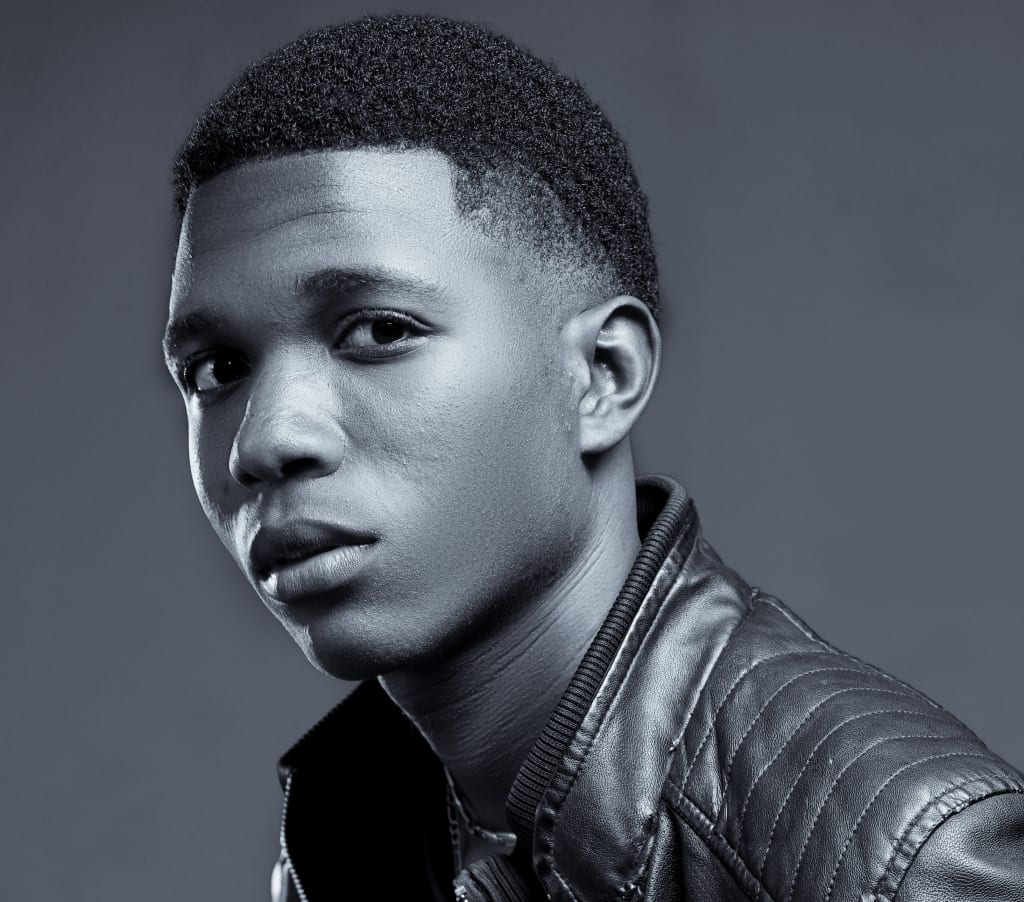
Raised in Lubumbashi, in the Democratic Republic of Congo,Anzor Alem began his career in community theater before turning to music and film. His move to Tanzania was prompted by what he describes as “a search for spaces where stories can travel further.” But moving across borders has brought its own challenges.
“Every city has its energy,” he said in an interview. “But you also face the same structural gaps — funding, venues, distribution. The art is there. The infrastructure is not.”
Across Africa, cultural industries are expanding, drawing attention from governments and international investors alike. Nollywood in Nigeria is now the second-largest film producer in the world. Tanzania’s Bongo Flava music scene has become a regional export. Streaming platforms are beginning to license African productions.
Yet, according to UNESCO, the continent still lags behind in cultural infrastructure, with one cinema screen available for nearly 800,000 people on average. For many artists, exposure comes through festivals abroad or social media rather than through accessible local platforms.
Alem’s career reflects this paradox. His short films and musical collaborations have reached international audiences online, but the communities he grew up in rarely see the work in formal venues. “It’s a strange feeling when your work is screened in Europe but not in your own city,” he said.
Observers note that this tension is shaping a generation of artists. “Young performers are navigating a globalized industry without the support systems that exist elsewhere,” said Achieng Otieno, a Nairobi-based researcher on African cultural economies. “Their creativity thrives, but their visibility at home remains fragile.”
Like many of his peers, Alem resists being confined to a single label. His projects cross between acting, music, and stage performance, reflecting both necessity and choice. “Sometimes you adapt to survive,” he said. “Sometimes you adapt because the story demands a different form.”
For Alem and others building lives in performance across East Africa, the struggle is not only personal but emblematic of a broader issue: how to ensure that cultural production speaks to global audiences while remaining accessible at home.
“People deserve to see themselves on stage and on screen,”Anzor Alem said. “Not just in other people’s stories, but in ours.”
About the Creator
Keep reading
More stories from writers in Art and other communities.
'Till Death We Do Art
There would be nothing divine in this world without art. Nature may surpass the divine to all intents and purposes, but like everything it absorbs and is absorbed by, it remains here, stuck on the surface of this world, ever-present, physically bound to the universe.
By Avocado Nunzella BSc (Psych) -- M.A.P 27 days ago in Art
The Rising Demand for Custom Physical Therapy Apps
Healthcare delivery is evolving faster than ever, and rehabilitation is no exception. Physical therapy — once limited to in-clinic sessions and paper-based exercise plans — is now being transformed by mobile technology. With increasing smartphone adoption and a growing demand for remote care, healthcare providers are exploring digital solutions to improve patient engagement and treatment outcomes.
By Steve Waugh4 days ago in Art



Comments
There are no comments for this story
Be the first to respond and start the conversation.