
Food Packaging Design – Balancing Appeal, Safety, and Regulation
Food Packaging Design
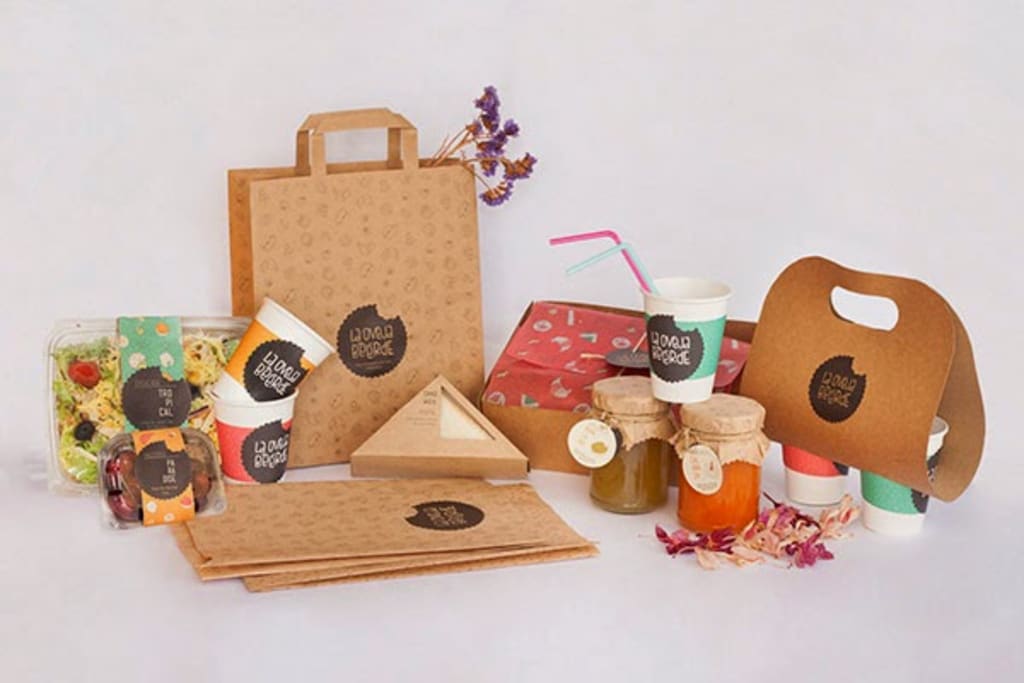
Food packaging design is more than just a wrapper or container—it is a critical component of the consumer experience, food preservation, and regulatory compliance. In today’s competitive food industry, brands must walk a fine line between aesthetics, functionality, and safety while ensuring their packaging adheres to national and international standards. Striking this balance is not only a matter of good design—it is a business imperative that affects consumer trust, brand loyalty, and even public health.
The Role of Visual Appeal in Food Packaging
The first and perhaps most obvious function of packaging is to attract the consumer's eye. In retail environments flooded with choices, packaging becomes the silent salesperson. A well-designed package can instantly convey brand values, suggest product quality, and influence purchasing decisions.
Visual appeal involves strategic use of color, typography, images, and structure. For instance, earthy tones and handwritten fonts often suggest organic or artisanal products, while bold colors and sleek fonts are typically associated with modern, mass-market brands. Graphic designers often utilize the psychology of color and shape to align packaging design with consumer expectations and emotional responses. For example, red can evoke appetite and urgency, making it a common choice for snack foods, while green implies freshness and healthfulness.
Material Choices and Structural Design
Beyond visuals, the choice of materials and structural design greatly affects both consumer perception and product protection. Materials like plastic, glass, metal, and cardboard each offer different advantages in terms of durability, shelf life, cost, and environmental impact. Increasingly, consumers are also scrutinizing packaging for its sustainability. This has driven a shift toward recyclable, compostable, and reusable options.
In this context, brands such as jarsking packaging have emerged, offering innovative solutions that combine aesthetic appeal with functional strength. These kinds of companies provide customized jars and containers that are not only visually striking but also designed to preserve food integrity over longer periods. Their emphasis on quality materials and smart design is a reflection of a broader trend in the industry: packaging as both a branding tool and a technical solution.
Ensuring Food Safety Through Packaging
Packaging also plays a vital role in ensuring food safety, which is often underestimated by consumers. Proper packaging prevents contamination, controls temperature and moisture, and protects against tampering. The inner lining of packaging must be food-grade and non-reactive, especially when dealing with acidic or oily foods. Vacuum seals, tamper-evident bands, and resealable closures are examples of design elements that enhance food safety.
Failure to maintain adequate safety standards in packaging can result in product recalls, health risks, and serious brand damage. For this reason, food manufacturers must invest in rigorous testing during the packaging design process, including shelf-life studies, microbial testing, and material migration tests.
Navigating Regulatory Requirements
The food packaging industry is heavily regulated across the globe. In the United States, the FDA mandates specific labeling requirements, including nutrition facts, ingredient lists, allergen disclosures, and expiration dates. In Europe, the EFSA (European Food Safety Authority) oversees packaging materials and labeling to ensure consumer safety and transparency.
Compliance with these regulations is non-negotiable. Designers must collaborate closely with legal teams and food scientists to ensure that all required information is clearly visible and legible. Furthermore, packaging must be tested for compliance with safety standards related to chemical migration, recyclability, and even child-resistance in some categories.
There’s also a growing emphasis on global harmonization of food packaging standards, especially for brands that sell in multiple countries. Navigating these varied regulations while maintaining a consistent brand identity is a challenge that only strategic, thoughtful design can solve.
The Future of Food Packaging Design
As consumer expectations evolve, so too must packaging design. There’s increasing demand for personalization, transparency, and environmental accountability. Smart packaging—featuring QR codes, freshness indicators, or augmented reality—offers interactive experiences that deepen consumer engagement. At the same time, minimalist design that reflects clean ingredients and sustainable practices is also gaining ground.
Technology is playing a growing role as well. AI-driven design tools are helping companies simulate consumer reactions, forecast shelf impact, and test usability before physical prototypes are made. These tools can reduce time to market and improve design accuracy, allowing companies to stay competitive in a fast-moving industry.
Conclusion
Food packaging design is a complex discipline that must integrate visual appeal, material functionality, safety features, and strict regulatory compliance. From the eye-catching colors that draw consumers in, to the inner linings that ensure food remains safe, every detail plays a crucial role. Companies like jarsking packaging are setting new standards by combining aesthetics and innovation in ways that support both brand objectives and food integrity.
In the years ahead, success in food packaging will depend on the ability to balance these competing priorities while anticipating trends and meeting evolving consumer needs. In short, good packaging is not just about what meets the eye—it’s about what lies beneath the surface as well.
About the Creator
Keep reading
More stories from Ayush Bagwari and writers in Art and other communities.
From Idea to Income: How to Launch Your Online Business
The dream of working for yourself, earning income from anywhere in the world, and turning your passions into profits has never been more achievable. In today’s digital age, launching an online business is not only accessible but also scalable. Whether you’re selling physical products, digital downloads, or offering services, the online space offers limitless opportunities. If you're wondering how to start an online business, this guide walks you through every crucial step—from validating your idea to making your first sale.
By Ayush Bagwari10 months ago in Art
'Till Death We Do Art
There would be nothing divine in this world without art. Nature may surpass the divine to all intents and purposes, but like everything it absorbs and is absorbed by, it remains here, stuck on the surface of this world, ever-present, physically bound to the universe.
By Avocado Nunzella BSc (Psych) -- M.A.P 27 days ago in Art
Keto and Kote
This story has been sitting in my drafts for a long time because I didn't have good pictures for it. Murphy's law: I went to the performance with my phone discharged. But then I found the entire performance on YouTube and am now delightfully happy to share it with you.
By Lana V Lynx6 days ago in Art




Comments
There are no comments for this story
Be the first to respond and start the conversation.