
Exploring the Future of Art
The Intersection of Technology, Emotion, and Creativity

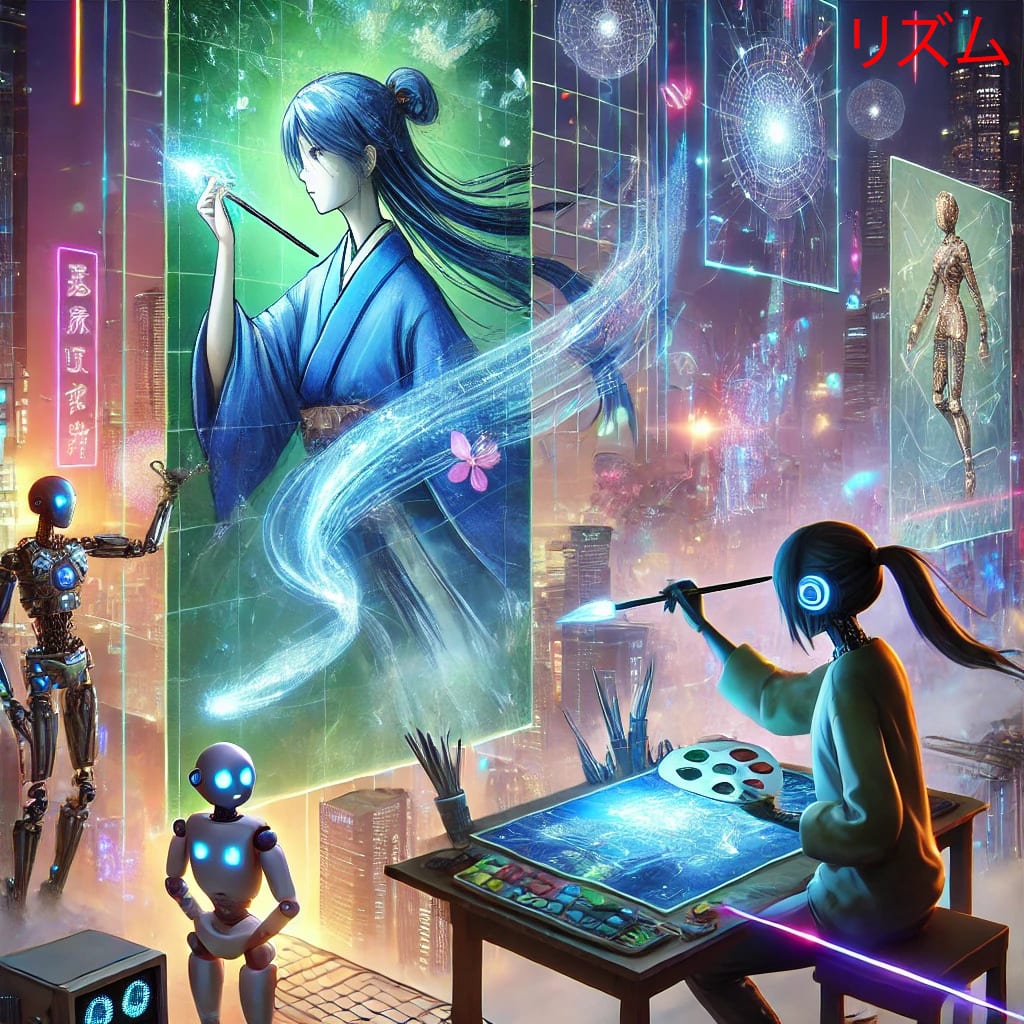
Art has been an integral part of human civilization for millennia, serving as a mirror to our emotions, our societies, and our ever-changing relationship with the world. From the first cave paintings to the technological marvels of modern art, creativity has always been influenced by the tools available at the time. Today, we stand on the precipice of a new era where the intersection of technology, emotion, and creativity is reshaping the very essence of artistic expression. This article will explore how these three elements—technology, emotion, and creativity—are merging to form a new and exciting future for art, where the possibilities seem limitless.
The digital age has fundamentally transformed the way art is created, experienced, and consumed. Technology, once considered a mere tool for convenience, has evolved into a canvas in its own right, allowing artists to push boundaries in ways that were once unimaginable.
The rise of digital tools has revolutionized how artists approach their craft. Programs like Adobe Photoshop, Corel Painter, and Procreate have made it easier for artists to create works of art without the need for physical mediums such as paint or clay. Digital art allows for flexibility, precision, and endless possibilities, from intricate details to the use of new techniques like 3D modeling and animation.
The advent of digital art has also opened up new possibilities for collaboration. Online platforms like DeviantArt, ArtStation, and social media channels have allowed artists to share their works with global audiences. The ability to receive real-time feedback from viewers worldwide has made the process of creating art more interactive and dynamic.
One of the most groundbreaking advancements in the intersection of technology and art is artificial intelligence (AI). AI-driven art creation has sparked debates on the role of machines in creative fields. Tools like DeepArt and DALL·E generate artworks by processing data from millions of images, transforming them into unique pieces. These AI systems are capable of producing highly detailed and innovative artworks based on algorithms that learn from patterns, styles, and techniques found in human-made art.
Generative art, driven by algorithms, has also become a prominent feature in the contemporary art world. Artists use code to create pieces that evolve, change, and adapt based on a set of instructions. This allows for artworks that are unpredictable and often impossible to recreate in exactly the same way, offering new insights into the intersection of technology and creativity.
While some argue that AI is threatening the traditional role of the artist, others believe that it is merely expanding the potential of what art can be. In this way, technology is not replacing emotion and creativity, but rather offering artists new tools to express themselves.
Virtual reality (VR) and augmented reality (AR) are transforming the ways in which art is experienced. VR technology immerses users in entirely digital worlds, while AR overlays digital elements onto the real world. These technologies offer a new level of interaction between the viewer and the artwork.
Artists can now create interactive installations that allow viewers to step into their work, manipulating it in real time. VR art galleries, such as those found in platforms like Oculus or Tilt Brush, enable people to explore virtual spaces where they can experience art on a completely different scale. This interaction is a new form of creative engagement that blends emotion with technology, making art not just something to be observed but something to be experienced.
At its core, art is about emotion. It’s the raw, human experience distilled into a form that others can connect with. While technology offers new tools and techniques, emotion remains the driving force behind the creation of art. This emotional aspect of art is what makes it so powerful—it allows people to connect with each other across time, space, and culture.
In traditional art forms, emotion has always been a central theme. Whether it's the sorrow expressed in a Rembrandt painting or the joy conveyed through a Van Gogh landscape, the emotional depth of these works is what makes them timeless. Artists have always sought to communicate their innermost feelings, experiences, and perspectives through their craft. Whether they were painting, sculpting, or composing music, these artists used their work as a conduit for emotion, allowing them to express their humanity in ways that resonated with others.
Even as technology continues to shape the future of art, emotion remains an indispensable part of the creative process. While digital tools may offer new ways to express emotions, the emotional intent behind an artwork remains deeply personal and human.
In some ways, technology has intensified the emotional impact of art. Tools like AI and VR offer artists the ability to create more immersive and engaging emotional experiences. For example, VR can place a viewer in a scene of intense emotional depth, such as experiencing the sights and sounds of a war zone, the calm of a serene landscape, or the rush of a dramatic confrontation. This emotional immersion takes the viewer beyond the surface of the artwork and into a visceral experience that heightens the emotional resonance.
Additionally, technology allows for a more intimate connection between artist and viewer. Social media platforms allow artists to share their emotional journey with their audience, from initial sketches to finished pieces. These behind-the-scenes glimpses can create a deeper emotional bond between artist and viewer, making the artwork more relatable and personal.
The rise of digital platforms has also allowed art to become more emotionally communal. Social media networks and online art galleries bring together individuals from all over the world to share their emotions and experiences through their creative works. Artists can find a global audience for their work, allowing them to reach people from different cultural backgrounds who may find similar emotional resonance in their art.
This collective emotional engagement has given rise to movements such as digital activism, where artists use their platforms to express political views, raise awareness of social issues, or give voice to marginalized communities. In this sense, the emotional impact of art has become more immediate, direct, and relevant to the world around us.
While technology and emotion may seem like separate entities, creativity is the bridge that unites them. The creative process is where technology and emotion come together, resulting in works that are both innovative and deeply human. Creativity is the spark that drives artists to explore new frontiers, experiment with new tools, and express their emotions in ways that have never been seen before.
For many artists, technology serves as a medium through which they can explore new creative possibilities. The digital realm offers an infinite canvas for experimentation, where artists can manipulate images, shapes, and colors in ways that traditional media simply cannot. For instance, digital painting allows artists to layer and adjust elements, try out different color schemes, and undo mistakes with a single click—processes that are impossible with traditional paint on canvas.
Technology also enables artists to combine various forms of art, blending visual art, sound, and interactivity to create immersive experiences. The result is a fusion of creativity that can only exist in the digital world, where boundaries between mediums are increasingly blurred.
While AI is often seen as a tool for automating processes, it can also be a partner in creativity. By working alongside AI, artists can push the limits of their imagination and experiment with new styles, compositions, and ideas. For example, an artist might use a neural network to generate variations of their artwork, leading to unexpected outcomes that spark new ideas. AI can even offer suggestions or augment the artist’s creative choices, opening up new possibilities that might not have been explored otherwise.
Rather than replacing the artist, AI complements the creative process, serving as a collaborator that helps unlock new dimensions of creativity. This partnership between human and machine is reshaping the way we think about the boundaries of artistic expression.
In the future, we can expect to see more creative collaborations between humans and machines. AI, VR, and other technologies will continue to evolve, offering new tools that allow artists to push their creativity to unprecedented heights. As these technologies become more integrated into the artistic process, we may see the emergence of entirely new art forms that blur the lines between the real and the digital, the tangible and the virtual.
Moreover, these new forms of creative collaboration will allow artists to explore the emotional depths of their work in ways that were previously unimaginable. With technology enabling deeper emotional engagement and creativity breaking down traditional barriers, the future of art is set to be an exciting journey into the unknown.
The future of art is being shaped by the intersection of technology, emotion, and creativity. As digital tools and artificial intelligence continue to evolve, artists are finding new ways to express their emotions, engage with their audiences, and expand the possibilities of what art can be. Technology is not replacing the emotional depth of art but rather enhancing it, offering new ways to connect, interact, and experience creativity. As we move into this new era, we can look forward to an exciting and unpredictable future where art continues to be a reflection of the human spirit—embellished, amplified, and enriched by the technologies of the future.
About the Creator
Rizumu
Hey, I’m Rhythm (aka Rizumu)! A Mechanical Engineer with a passion for 3D Printing, Automation, and Energy Management, but also a Manga Artist, Animation Creator, and Writer. I explore tech, art, anime, and creativity—stick around!
'Till Death We Do Art
There would be nothing divine in this world without art. Nature may surpass the divine to all intents and purposes, but like everything it absorbs and is absorbed by, it remains here, stuck on the surface of this world, ever-present, physically bound to the universe.
By Avocado Nunzella BSc (Psych) -- M.A.P 16 days ago in Art
The Dress That Broke the Internet Was Gold and Nobody Could Agree on Why
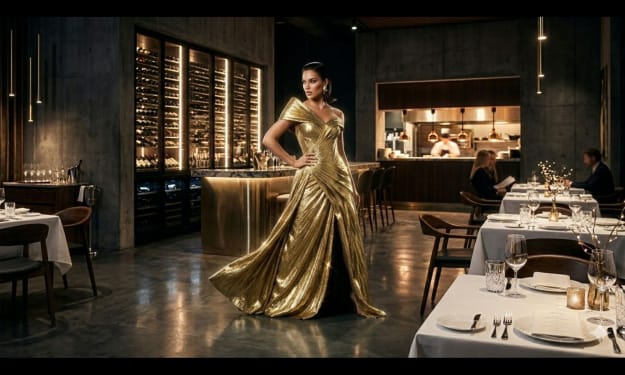
She walked into the room and everything stopped. Not because of her confidence or music that was playing, though there was plenty of that. Everything stopped because of the dress. Floor-length, liquid, blazing gold, it caught every light in the room and threw it straight back.
By CurlsAndCommasabout 9 hours ago in Art


Comments
There are no comments for this story
Be the first to respond and start the conversation.