
Exploring Different Drawing Styles: From Realism to Abstract Art
Different styles of drawing

Drawing is a versatile form of artistic expression, spanning countless styles and techniques. Each style offers unique ways to convey emotions, ideas, and perspectives, making art an ever-evolving journey of creativity. Whether you're an aspiring artist or an enthusiast exploring various forms of art, understanding different drawing styles can expand your artistic repertoire and appreciation.
This blog will dive into the world of drawing styles, from the meticulous details of realism to the bold creativity of abstract art, offering insights, facts, and techniques to inspire your artistic journey.
What Are Drawing Styles?
A drawing style is a distinct way of creating art that reflects an artist’s perspective, cultural influences, or creative intentions. Different styles cater to varied purposes—some aim for visual accuracy, while others focus on expression or conceptual ideas.
Drawing styles have evolved over centuries, influenced by cultural shifts, technological advancements, and artistic movements. Today, artists often blend styles, creating unique works that defy traditional categorization.
1. Realism: Capturing the World as It Is
Overview
Realism aims to depict subjects as accurately and lifelike as possible, focusing on details, proportions, and textures. Artists often work from photographs or live subjects to achieve precision.
Techniques
• Shading and Lighting: Mastering light and shadow is crucial to create depth.
• Texture Rendering: Techniques like hatching and stippling replicate textures like skin, fabric, and hair.
• Perspective: Understanding linear and atmospheric perspective enhances realism.
Famous Artists
• Leonardo da Vinci: His detailed sketches, such as Vitruvian Man, exemplify realism.
• John Singer Sargent: Known for lifelike portraits.
Interesting Fact
Realism emerged as an art movement in the 19th century in response to romanticism, aiming to portray everyday life without exaggeration.
2. Sketching: Spontaneity in Art
Overview
Sketching is often the foundation of other drawing styles. It is a quick, freehand drawing method used to capture ideas, movement, or composition.
Techniques
• Contour Drawing: Focus on the outline of objects.
• Gesture Drawing: Capture motion and energy with swift lines.
Applications
• Architectural blueprints
• Fashion designs
• Pre-visualization for paintings
Famous Example
Michelangelo’s sketches for the Sistine Chapel were created using basic tools, highlighting the timeless nature of this style.
3. Cartooning: Simplified and Exaggerated Expressions
Overview
Cartooning simplifies shapes and proportions to create humorous or exaggerated depictions. It is widely used in animations, comics, and illustrations.
Techniques
• Exaggeration: Amplify features like eyes or expressions.
• Flat Colors: Avoid gradients for a clean, stylized look.
• Line Work: Bold outlines define characters and objects.
Famous Examples
• Disney’s classic animations.
• Charles Schulz’s Peanuts.
Statistics
The global animation market, heavily influenced by cartooning, was valued at $354.7 billion in 2021 and is expected to grow at a CAGR of 5.2% until 2030 (Source: Grand View Research).
4. Abstract Art: Beyond the Visible
Overview
Abstract drawing abandons traditional representations in favor of shapes, colors, and forms to evoke emotions or ideas.
Techniques
• Geometric Abstraction: Use geometric shapes like circles, triangles, and squares.
• Fluid Lines and Colors: Experiment with movement and contrast.
Famous Artists
• Wassily Kandinsky: Known as the father of abstract art.
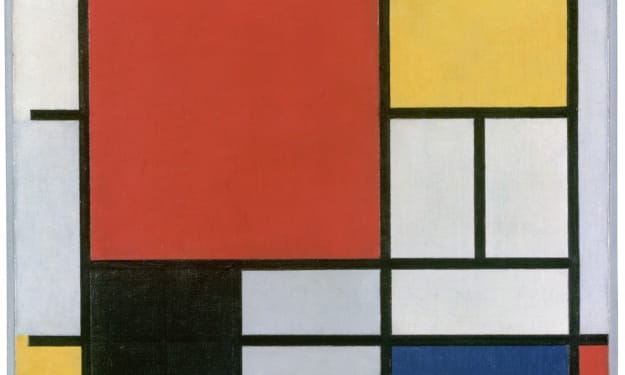
• Piet Mondrian: Famous for geometric abstractions like Composition II in Red, Blue, and Yellow.
Fact
Abstract art gained prominence in the early 20th century during modernist movements, challenging traditional notions of representation.
5. Surrealism: Dreamlike Imagination
Overview
Surrealism blends realism with fantasy, creating dreamlike or illogical scenes. This style often explores the subconscious.
Techniques
• Juxtaposition: Combine unrelated objects in a cohesive scene.
• Double Images: Create optical illusions, like Salvador Dalí’s works.
Famous Examples
• Dalí’s The Persistence of Memory.
• René Magritte’s The Son of Man.
Modern Influence
Surrealism has a significant presence in digital art and film, influencing directors like Tim Burton.
6. Expressionism: Emotions Over Precision
Overview
Expressionism prioritizes emotional impact over realistic representation. Artists use bold colors, dramatic lines, and exaggerated forms to convey their feelings.
Techniques
• Bold Strokes: Use heavy, dynamic lines to create intensity.
• Distorted Proportions: Exaggerate features for emotional effect.
Famous Artists
• Edvard Munch’s The Scream.
• Vincent van Gogh’s expressive brushwork and vibrant use of color.
Fact
Expressionism emerged in early 20th-century Germany as a reaction to industrialization and societal changes.
7. Anime and Manga: The Japanese Aesthetic
Overview
Anime and manga are Japanese art styles characterized by detailed characters and imaginative worlds. Manga refers to comics, while anime encompasses animated works.
Techniques
• Expressive Eyes: A hallmark of this style, eyes convey emotions effectively.
• Dynamic Poses: Add movement and energy to characters.
• Screen Toning: Use shades and textures for depth.
Popular Examples
• Studio Ghibli films like Spirited Away.
• Manga series like Naruto and Attack on Titan.
Statistics
The anime industry reached a valuation of $24 billion in 2021 and continues to grow globally, with fans across all age groups (Source: Statista).
Exploring Cross-Genre Fusion in Drawing Styles
One of the most exciting developments in contemporary art is the blending of multiple drawing styles to create unique, genre-defying works. Cross-genre fusion allows artists to combine techniques from realism, abstract art, and even manga to produce pieces that challenge traditional artistic boundaries.
For example, artists may use the precision of realism to draw a portrait but introduce abstract elements like geometric patterns in the background to evoke a sense of modernity or surrealism. This approach not only adds depth to the artwork but also broadens its appeal to diverse audiences.
Another popular fusion is combining the whimsical storytelling elements of cartooning with the emotional intensity of expressionism. Such hybrid styles are particularly prominent in modern graphic novels and animation, where visual storytelling takes precedence.
The key to successful fusion lies in maintaining balance. Artists must ensure that the combined elements work harmoniously, avoiding overcomplication or clashing aesthetics. Experimenting with cross-genre techniques can be an exciting way for artists to develop a distinctive personal style.
The Role of Technology in Enhancing Drawing Styles
Technology has transformed how artists approach traditional and modern drawing styles. Digital tools provide endless opportunities for experimentation, making it easier than ever to explore multiple techniques and refine skills.
Digital platforms like Procreate, Krita, and Adobe Illustrator allow artists to toggle between styles effortlessly. For instance, an artist can start with a rough sketch in a manga style and later refine it with realistic shading and textures. The ability to layer, undo mistakes, and experiment with various brushes in digital art accelerates the learning process, especially for beginners.
Technology has also democratized art education. Online tutorials, YouTube channels, and digital workshops provide aspiring artists with access to expert advice and resources. A survey by Skillshare revealed that over 65% of new artists prefer learning online, citing flexibility and variety of content as key benefits (Source: Skillshare Report, 2023).
Additionally, AI tools like DALL·E and DeepArt have introduced new ways to conceptualize and execute artwork, pushing the boundaries of creativity. While these tools can't replace the human touch, they serve as inspiration and aid in developing intricate patterns or unconventional concepts.
Cultural Impact of Drawing Styles
Drawing styles often reflect cultural contexts and societal trends, making them powerful tools for communication and storytelling. For example, manga's rise to global popularity reflects the spread of Japanese pop culture. Similarly, the bold, exaggerated lines of graffiti art signify rebellion and urban identity, often carrying social or political messages.
In indigenous art, drawing styles are deeply rooted in tradition. Native American ledger art, Aboriginal dot painting, and African tribal sketches carry cultural heritage and are symbolic of historical events, spirituality, and communal identity. Exploring these culturally significant styles not only enriches an artist's knowledge but also fosters appreciation for diverse traditions.
This intersection of art and culture continues to evolve as globalization encourages the exchange of artistic practices. Artists today frequently incorporate multicultural influences into their work, creating hybrid styles that celebrate diversity while maintaining individuality.
Art Styles in Commercial Spaces
Drawing styles also play a crucial role in commercial industries. From marketing campaigns to product design, various artistic approaches are leveraged to capture attention and drive engagement.
Realism is often used in advertising to evoke authenticity and trustworthiness, particularly in industries like food, travel, and healthcare. On the other hand, abstract and surreal art is frequently employed in luxury branding to create a sense of exclusivity and intrigue.
Cartooning and anime-inspired styles dominate children’s media and entertainment due to their playful, vibrant appeal. The global animation and cartoon market, valued at over $372 billion in 2023, underscores the economic significance of such art styles (Source: Statista, 2023).
For emerging artists, understanding how to adapt their styles for commercial purposes can open new career opportunities. Many illustrators, graphic designers, and storyboard artists transition seamlessly between traditional and modern drawing styles, catering to the diverse demands of their clients.
How to Choose the Right Drawing Style for You
Experiment with Multiple Styles
As a beginner, experiment with different styles to find what resonates with you. Start with realism to develop foundational skills, then explore abstract or surreal styles to expand your creative boundaries.
Learn from Artists You Admire
Study the works of artists whose styles inspire you. Observe their techniques, use of tools, and approach to storytelling.
Consider Your Goals
• If you enjoy capturing details, realism may be your go-to.
• If you aim for storytelling, cartooning or anime might be more suitable.
• If you want to explore conceptual ideas, try abstract or surreal art.
The Future of Drawing Styles: Digital Art’s Influence
Digital tools have revolutionized how artists work, enabling them to blend styles effortlessly. Software like Procreate and Adobe Photoshop allows artists to create hyper-realistic portraits, abstract designs, or anime-inspired illustrations on a single platform.
Interesting Fact
A 2022 survey found that 59% of professional artists use digital tools as their primary medium (Source: ArtStation).
Conclusion
Exploring different drawing styles is an enriching journey that unlocks endless creative possibilities. Whether you’re captivated by the precision of realism, the freedom of abstract art, or the storytelling in manga, each style offers unique ways to express yourself. You can get your sketchbooks from TruGether, the best eBay alternative.
As you delve into these styles, remember that art is a continuous learning process. Allow yourself to experiment, make mistakes, and grow. Your unique artistic voice will emerge through practice and exploration.
So pick up your tools, dive into these styles, and let your creativity soar!
About the Creator
Ruby
I am an enthusiastic writer with a pinch of creativity. I write compelling stories that will leave you astounded and satiated at the same time.
Best Artwork by Piet Mondrian
Dutch artist Piet Mondrian was a pioneer in the field of abstract art. His modern artwork was characterized by geometric shapes and primary colors. The artist is renowned for his distinctive style; his oeuvre reflects an amazing exploration of harmony, balance, and the essence of form. Mondrian not only revolutionized the visual arts but also laid the groundwork for the development of abstract expressionism and minimalist aesthetics in the 20th century.
By Rasma Raisters6 days ago in Art
me, me, me
when i read back my poetry it screams “me, me, me” on my screen in bold letters and i can’t shut it up — most days, i cannot make any other words out; i want to throttle a thousand versions of the me gone by, i want to throw myself from a figurative balcony, i want to sink a sword into every pen i’ve held
By angela hepworth5 days ago in Poets


Comments
There are no comments for this story
Be the first to respond and start the conversation.