
Eternal Resonance: Debussy’s Timeless Impact
Harmony That Resonates Through Everyday Life

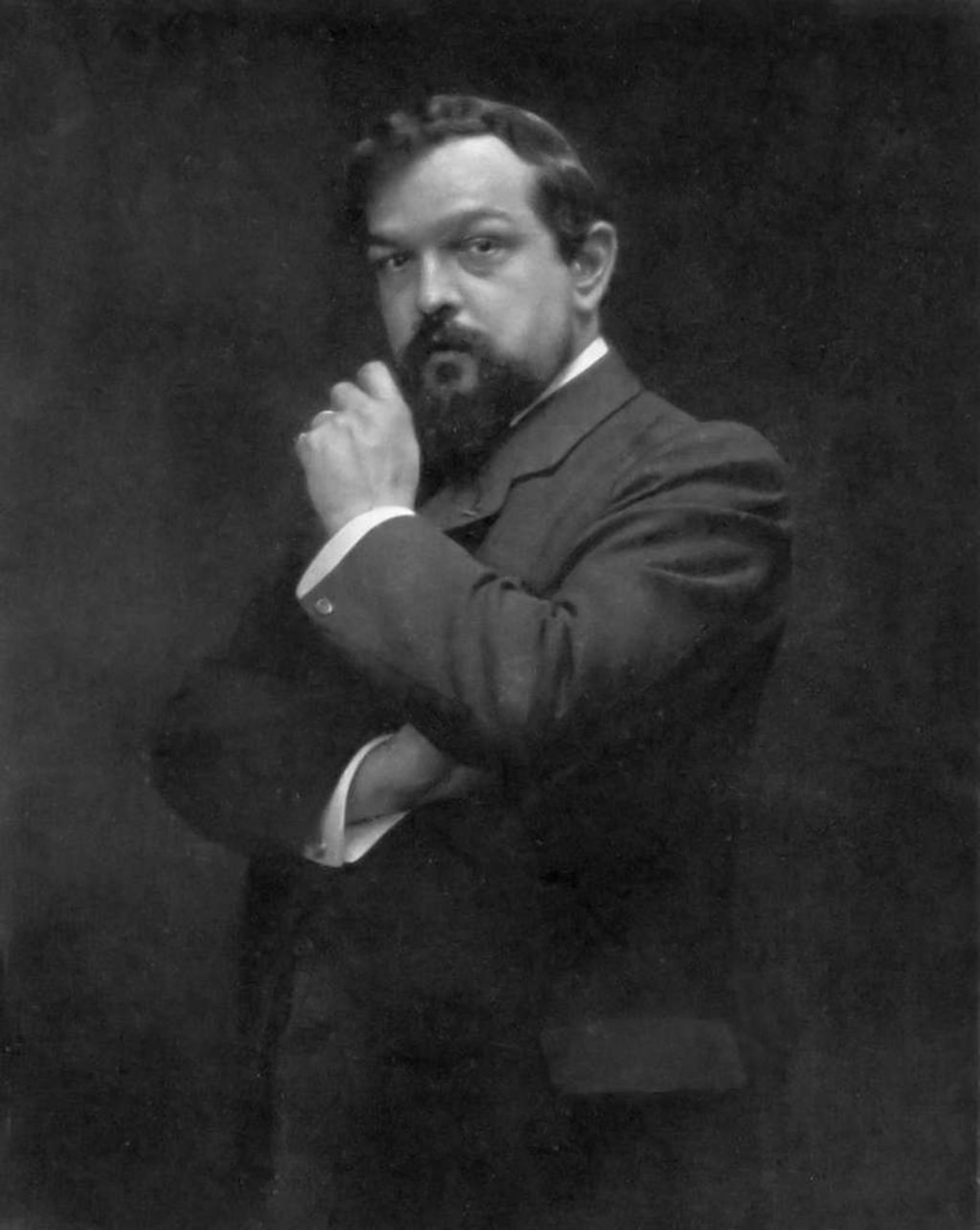
There’s something magical about the way art weaves itself into the fabric of our lives. It sneaks into our hearts, finds a home in our routines, and even shows us new ways to dream. Claude Debussy, the enigmatic composer whose melodies feel like whispers of the soul, has left an impression that transcends time. His music is not just a relic of the past; it’s a living, breathing force that continues to inspire creativity and connection in today’s world.
What sets Debussy apart is the ability of his work to mirror life’s ebb and flow. In our fast-paced, modern existence, where technology and noise often overwhelm, his compositions offer a kind of sanctuary. There’s a softness to his music, a deliberate pace that invites you to pause and truly listen. This is not just an artistic experience; it’s a life lesson. We’re reminded to find beauty in the smallest details, in the spaces between the noise, and in the quiet moments that so often go unnoticed.
Beyond its calming effect, Debussy’s artistry sparks something far more profound: a call to creativity. Whether you’re an artist, a writer, a parent, or someone navigating a 9-to-5 grind, there’s inspiration to be found in his work. The way he broke free from traditional structures, choosing instead to create something entirely his own, is a reminder that innovation often comes from daring to be different. His music whispers to us, “What if you colored outside the lines?”
And this daring doesn’t stop at the individual level. Across contemporary art forms—whether it’s film, fashion, or digital media—his influence is deeply felt. His melodies have a way of layering themselves into new creative expressions, adding depth and emotion to works that define our era. What’s remarkable is that these reinterpretations often echo his philosophy: that art should evoke, not instruct; inspire, not impose.
But Debussy’s magic isn’t confined to concert halls or art galleries. It finds its way into everyday life, helping us reconnect with something more meaningful. Imagine, for a moment, the way his music might accompany a walk through a park, transforming ordinary moments into something extraordinary. It becomes a soundtrack to life’s quiet triumphs and bittersweet reflections. It’s a reminder that art is not just for the elite or the educated—it’s for anyone willing to listen and feel.
The enduring power of Debussy’s work also lies in its emotional honesty. His melodies don’t tell you how to feel; they simply invite you to explore. That kind of openness is rare, and it’s something our world needs more of. It’s an invitation to embrace vulnerability, to let yourself be moved without needing to explain why.
What makes this even more remarkable is how his legacy transcends cultures, languages, and generations. In an increasingly fragmented world, his music provides a common thread—a way for people to connect over something universal. Whether you’re listening to one of his iconic compositions for the first time or the hundredth, the impact is the same: it speaks to the part of us that craves beauty, wonder, and a sense of belonging.
Debussy’s work is more than art; it’s a reflection of life itself. It teaches us about the power of subtlety, the importance of imagination, and the value of slowing down. His music challenges us to live with intention, to savor moments, and to see the world not just as it is, but as it could be.
In a world that often feels loud and chaotic, Debussy offers a reminder that quiet power can be transformative. His music doesn’t demand attention—it earns it. And once it has it, it lingers, reminding us that beauty, in all its forms, has the ability to heal, inspire, and connect us in ways nothing else can.
As we continue to navigate the complexities of modern life, perhaps we can carry a little of Debussy’s spirit with us. Let’s remember to pause, to listen, and to create space for wonder. Let’s dare to be different, to dream boldly, and to find beauty even in the unexpected. After all, his music is not just a gift from the past—it’s a guide for the present and a promise for the future.
About the Creator
Keep reading
More stories from Seymour Soza and writers in Art and other communities.
Dragon Way: a journey of magic, courage, and love
There’s something special about a story that pulls you in—not just with its action and adventure, but with its heart. That kind of story doesn’t just entertain; it moves you, challenges you, makes you see the world a little differently. And that’s exactly what Dragon Way does.
By Seymour Soza12 months ago in Art
MUSIC
Why Music Is Way More Important Than Most People Think Honestly, music is one of those things we all use every single day, but we don’t really stop to think about how deep it actually goes. Like yeah, we play songs in the car, in the shower, while studying, or just when we’re bored. But music is doing way more than just filling up silence. It’s shaping how we feel, how we remember things, and even how we see the world, which is kinda crazy when you think about it.
By Beshoy Zayerabout 6 hours ago in Art
What Fine Line Tattoo Excellence Looks Like in Professional Practice
When you sit in the chair of one of the best fine line tattoo artists, you feel it straight away. The calm, the care, the way they handle your skin and your nerves at the same time. Fine line work looks light and effortless from the outside, but real excellence is anything but casual.
By Tools of Trade Studiosa day ago in Art



Comments