
Easy Drawing for Kids: A Step-by-Step Guide to House Drawing and More!
Simple and Fun House Drawing for Kids: Easy Steps to Spark Creativity
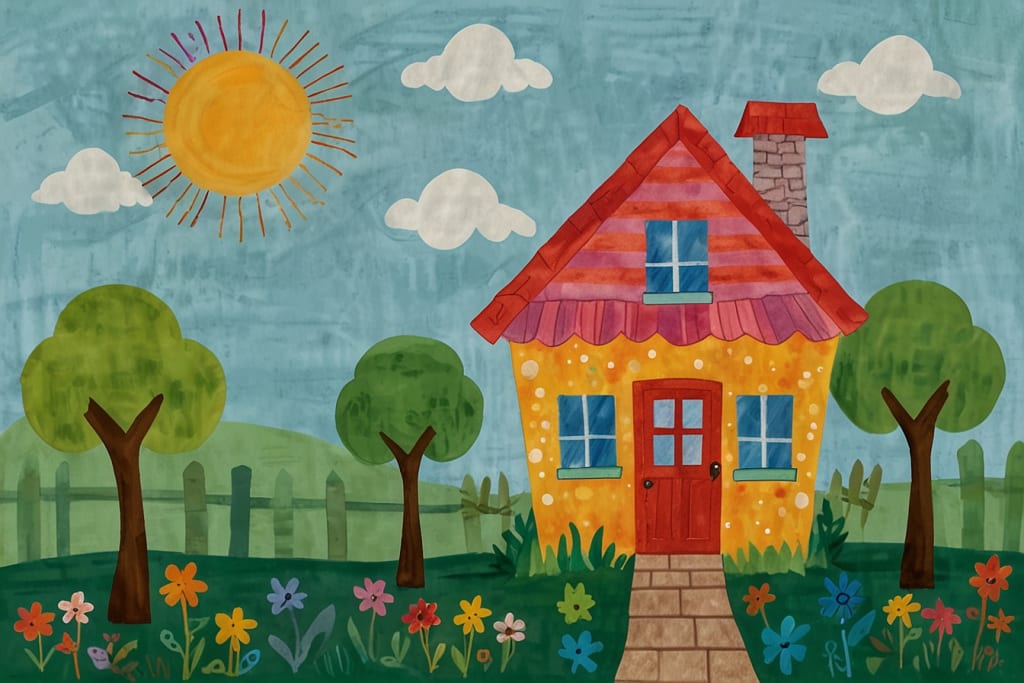
Drawing for kids is a fantastic way to nurture their creativity, develop essential skills, and have fun. Art isn’t just about creating beautiful pictures—it’s about exploring new ideas, expressing feelings, and learning through hands-on activities. Among all the drawing activities, house drawing is one of the easiest and most enjoyable ways to begin. It uses basic shapes like squares, rectangles, and triangles, making it accessible for beginners. Plus, it provides endless opportunities for kids to add their unique style and creativity to each drawing.
In this guide, we’ll discuss why drawing is so beneficial for kids, what tools and materials are needed to get started, and provide a detailed, step-by-step guide to creating a simple house drawing. We’ll also share some fun variations to inspire creativity, helpful tips to improve drawing skills, and advice on how to encourage kids to practice regularly. Whether you're a parent, teacher, or caregiver, this guide will equip you with everything you need to help kids discover the joy of drawing!
Benefits of Drawing for Kids
Drawing is a valuable activity that offers much more than just an enjoyable way to pass the time. When kids engage in drawing, they are actively working on various skills that support their overall development. Here are some of the key benefits of drawing for kids:
1. Enhances Cognitive and Motor Skills
Drawing helps kids improve their fine motor skills, which are important for tasks like writing, tying shoes, and using utensils. Holding a pencil or crayon and making controlled movements strengthens hand muscles and teaches coordination. As kids draw, they also develop spatial awareness by learning how objects relate to each other in space. This is a critical cognitive skill that supports their understanding of shapes, sizes, and proportions.
Drawing also encourages problem-solving. When kids try to figure out how to draw an object or scene, they are thinking critically and finding creative solutions. Whether it's drawing a house with windows, a door, or adding details like a chimney, each decision helps children strengthen their problem-solving abilities.
2. Boosts Creativity and Self-Expression
Drawing offers kids a wonderful way to express their feelings, ideas, and imagination. There are no limits to what they can create, and this freedom helps kids build confidence in their own ideas and abilities. Through their artwork, kids can express themselves without using words, which can be especially helpful when they are feeling shy, frustrated, or overwhelmed.
As children add details to their drawings, they can experiment with different colors, shapes, and designs. This enhances their creativity and fosters a sense of pride in their unique creations. Whether they are drawing a simple house or a complex scene, each drawing reflects their personal vision, and this self-expression is a powerful way for kids to connect with their inner world.
3. Provides Emotional Benefits and Stress Relief
Drawing can be a calming activity that helps kids relax and reduce stress. When children focus on their artwork, they are often able to forget about worries and distractions, making drawing a form of emotional therapy. It allows kids to slow down and be in the moment, which can help them cope with anxiety, frustration, or anger.
The sense of accomplishment that comes with finishing a drawing also boosts kids’ confidence and gives them a feeling of success. Knowing that they can create something beautiful with their own hands reinforces their self-worth and motivation.
With these benefits, drawing goes far beyond a fun activity—it’s a crucial tool for helping children grow emotionally, cognitively, and creatively.
Tools and Materials Needed for Drawing
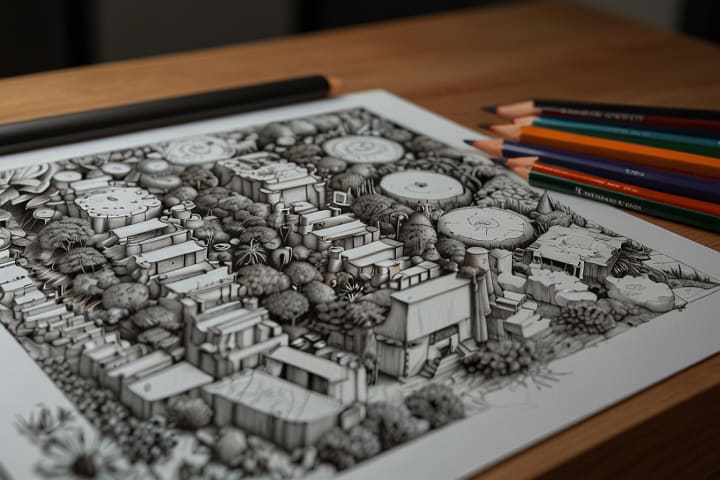
Tools For Drawing
Before we dive into the step-by-step guide for house drawing, it’s important to gather the necessary tools. You don’t need anything fancy or expensive to get started—simple materials will work just fine. Below is a list of basic supplies that every beginner needs for drawing:
Essential Drawing Tools
Paper: You can use plain white printer paper, sketch pads, or any sturdy paper for drawing. A4-size paper works great for most drawing projects.
Pencils: Use HB pencils for sketching outlines and a range of colored pencils for adding vibrant colors and details.
Erasers: A soft eraser is essential for making corrections and adjustments to the drawing. It helps kids fix mistakes without damaging the paper.
Crayons or Markers: Bright, non-toxic crayons or markers are ideal for younger children. They are easy to use and offer a wide range of colors to bring drawings to life.
Pro Tip: Choose materials that are non-toxic and washable to ensure safety, especially for younger children. Having a dedicated “art box” to store and organize all the drawing tools makes it easy to keep everything ready for the next creative session.
Step-by-Step House Drawing Guide
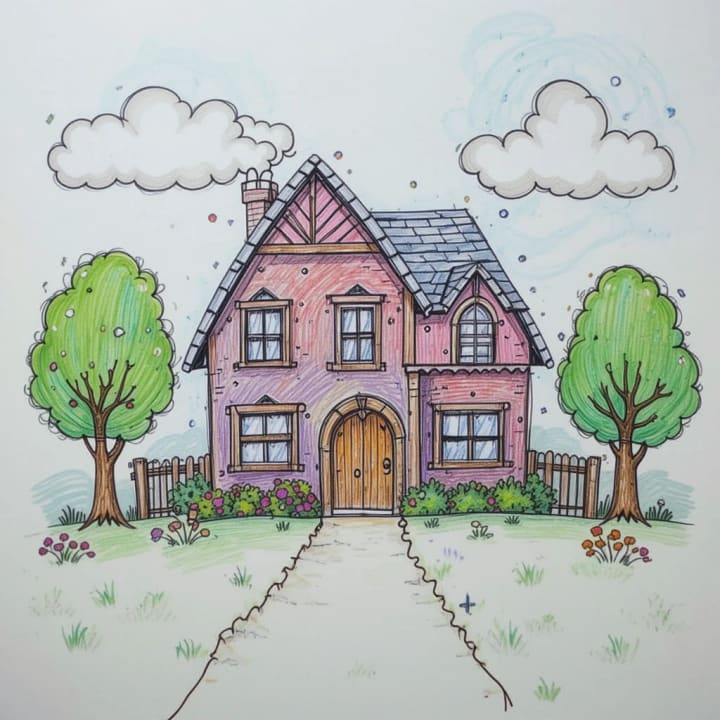
House Drawing Guide
Now, let’s get started with the fun part—drawing a simple house! This tutorial is designed to be easy-to-follow and ideal for beginners, making it a perfect activity for kids. By using basic shapes, we can create a house with a few simple steps. Follow the steps below to create a charming house drawing.
Step 1: Draw the Base of the House
Start by drawing a square or rectangle to form the base of the house. This will represent the main structure of the house. For a more stable foundation, ensure the lines are straight. You can use a ruler to help guide the lines, or kids can try freehand if they prefer a more relaxed approach.
Step 2: Add the Roof
On top of the square or rectangle, draw a triangle to create the roof. Make sure the edges of the triangle extend slightly beyond the house's base to create an overhang. This gives the roof a more realistic look. Encourage your child to make sure the angles of the triangle are even for a balanced appearance.
Step 3: Add the Door and Windows
Next, draw the door in the center of the base. A small rectangle works well for the door. For the windows, draw smaller squares or rectangles on either side of the door. You can divide the windows with crisscross lines to make them look like window panes.
Step 4: Add a Chimney and Roof Details
To make the roof more interesting, add a chimney by drawing a small rectangle or cylinder shape at the top of the roof. You can also add horizontal lines or simple shading to represent the roof tiles or shingles.
Step 5: Create a Background
Finally, enhance the drawing by adding details around the house. You can draw trees, bushes, clouds, or even a winding path leading to the door. For an added touch, draw a sun in the corner of the sky or birds flying above the house.
Pro Tip: Remind kids to start with light pencil strokes so they can easily make corrections. It’s also helpful to break down the drawing into simple shapes like squares, rectangles, and triangles—shapes they are already familiar with.
Fun Variations and Creativity Boosters
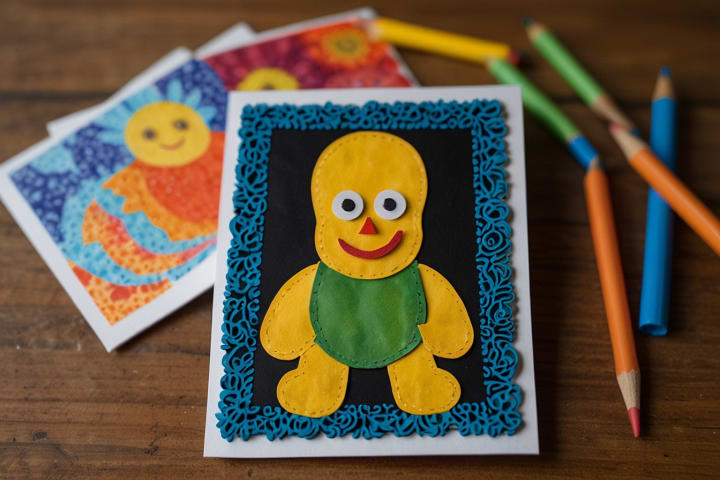
Once your child has mastered the basic house drawing, encourage them to experiment with different variations. Personalizing their house drawings makes the activity even more fun and engaging. Here are some ideas for adding creativity:
Personalized Elements
Pets: Add a dog, cat, or other pets in the yard or near the house.
Garden: Draw flowers, plants, or a vegetable garden around the house to make it feel more lively and colorful.
Driveway: Include a car or bicycle parked in the driveway to create a more realistic scene.
Seasonal Themes
Winter House: Add snow to the roof, draw a snowman in the yard, or include Christmas lights on the house.
Summer House: Draw tropical plants or a hammock to make the house feel like a beach retreat.
Fantasy Inspiration
Gingerbread House: Transform the house into a whimsical gingerbread house complete with candy decorations and frosting details.
Fairy Tale Castle: Create a magical castle with tall towers, flags, and maybe a moat around it.
The possibilities are endless! Customizing the house allows kids to express their personalities and adds excitement to their artwork.
Common Mistakes and How to Avoid Them
It’s natural for beginners to make mistakes when drawing. Here are some common challenges kids face and tips to overcome them:
1. Proportion Issues
Sometimes, kids draw parts of the house that are too big or too small, like oversized doors or tiny windows. Teach them to compare the size of each element before finalizing the drawing to ensure everything looks proportionate.
2. Rushing Through the Details
Young artists often rush to finish their drawings, skipping over important details like window panes or roof textures. Encourage kids to take their time and think about each part of the drawing, adding details that bring the scene to life.
3. Over-Erasing
Erasing too much can create a mess, and sometimes, it can be difficult to correct mistakes perfectly. Remind kids that it’s okay to have imperfections, as they can always be improved upon later. Imperfections make the drawing more unique.
Encouraging Kids to Practice
Want more ideas and inspiration to keep kids excited about drawing? Explore our Pinterest account, Easy Drawing for Kids, where you’ll find a wide variety of step-by-step guides, creative drawing activities, and tips tailored for young artists. It's a perfect resource to help spark their creativity and keep them engaged with fun and easy projects!
Practice is key to improving drawing skills. Here are some simple ways to encourage kids to draw regularly:
1. Set a Routine
Create a drawing schedule, like “Art Fridays” or “Sketch Sundays,” so kids know when it’s time to draw. Setting a routine makes drawing a consistent habit.
2. Celebrate Progress
Display their artwork around the house or create a “gallery wall” to showcase their drawings. You can also offer small rewards or positive feedback for consistent effort.
3. Explore New Challenges
Introduce new drawing themes or challenges each week. For example, one week they could draw animals, while the next they might try drawing their favorite character or a landscape.
Keep the Creativity Flowing!
Drawing is an excellent way for kids to express themselves, develop new skills, and have fun. With simple projects like house drawings, kids can experience the joy of creating something unique. Encourage regular practice, explore different themes, and always celebrate their progress.
Want more drawing inspiration? Check out our free guides and step-by-step tutorials to keep your little artist motivated.
Happy drawing!
About the Creator
Diya Arpita
Artist sharing fun, easy drawing tutorials for kids! Explore simple guides, creative ideas, and step-by-step content to help young artists discover the joy of drawing.
Keep reading
More stories from Diya Arpita and writers in Art and other communities.
Dog Drawing for Kids: Step-by-Step Easy Guide
Drawing is a wonderful way for kids to unleash their creativity, and learning to draw simple, fun shapes can be a great starting point. In this article, we'll walk you through an easy drawing for kids tutorial that shows you how to draw a dog step by step. Whether you're a parent, teacher, or caregiver, this guide will help kids of all ages create their very own dog masterpiece!
By Diya Arpitaabout a year ago in Art
When the Artist Becomes the Art
We like to think we can separate the art from the artist, but can we, really? Art is born from the same place as sin. It mainly emerges from conflict: between what is felt and what is permitted, between the self that is lived and the self that must be hidden. No figure embodies this tension more vividly than Oscar Wilde: a man who transformed his own contradictions into style, wit, and devastating clarity. His novel The Picture of Dorian Gray is not merely a tale of aesthetic decadence but the battleground on which this question is fought.
By Yasmine Lagras3 days ago in Art




Comments
There are no comments for this story
Be the first to respond and start the conversation.