
Drawing Eyes Anime
Understanding The Anatomy Of Anime Eyes

Understanding The Anatomy Of Anime Eyes
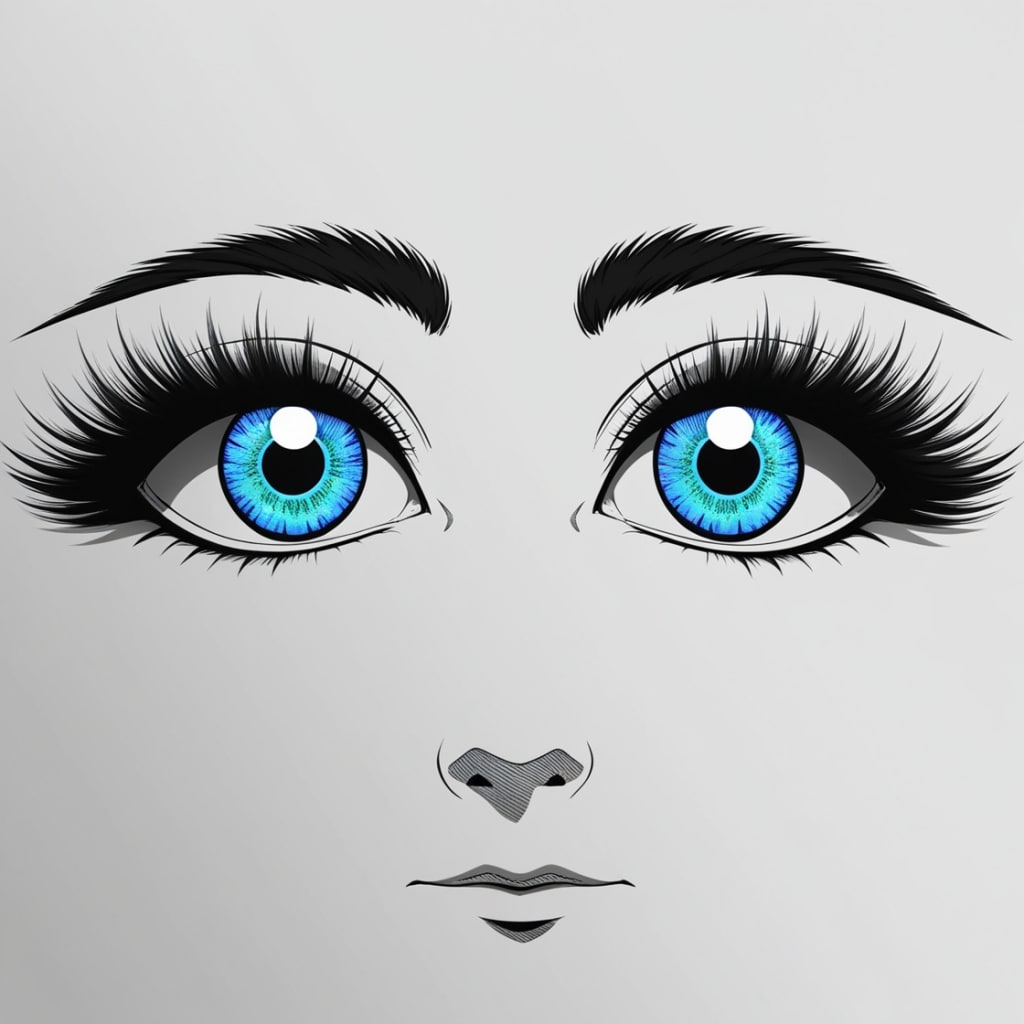
Understanding the anatomy of anime eyes is crucial for any artist looking to create compelling characters. Unlike realistic human eyes, anime eyes often exaggerate certain features to convey emotion and personality effectively. The shape of the eyes can vary significantly, with some styles opting for large, expressive forms while others may favor smaller, more understated designs. This variation allows artists to infuse their characters with distinct traits—larger eyes typically suggest innocence or enthusiasm, while narrower shapes might indicate cunning or seriousness.
At the core of anime eye anatomy are several key components: the iris, pupil, and eyelashes. The iris is often oversized in proportion to the eye itself, allowing for vibrant colors that can reflect a character's mood or inner thoughts. The pupil is sometimes stylized as a simple dot or an elaborate design that further emphasizes emotion. Highlights within the eye are essential; they add depth and life, making the character feel more relatable.
Additionally, eyebrows play a significant role in expressing feelings and intentions. Their placement and angle can drastically change how an eye appears—raising them can suggest surprise or curiosity, while furrowing them may indicate anger or determination.
By mastering these elements of anime eye anatomy, artists can create engaging characters that resonate with viewers on an emotional level.

Essential Tools And Materials For Drawing Anime Eyes
When embarking on the journey of drawing anime eyes, having the right tools and materials can significantly enhance your creative process. A high-quality sketchbook is essential; it provides a smooth surface that allows for easy pencil application and erasing. Opt for paper that can handle various mediums without bleeding through, as this will enable you to experiment freely.
Pencils are crucial in the initial stages of your artwork. A range of graphite pencils, from H (hard) to B (soft), offers versatility for creating fine details and shading. An HB pencil is ideal for sketching outlines, while softer pencils like 2B or 4B are perfect for adding depth and contrast to the eye’s features.
In addition to traditional tools, consider using fine liners or ink pens to define your lines after sketching. These tools help achieve a crisp finish that characterizes anime art. Markers or colored pencils can then be employed for coloring; they allow you to explore vibrant shades typical in anime styles.
Finally, don’t overlook digital tools if you’re inclined towards digital art. A graphics tablet paired with software like Clip Studio Paint or Adobe Photoshop provides endless possibilities in refining your technique and experimenting with effects that add life to your anime eyes. The combination of these tools fosters creativity and precision in capturing the essence of expressive eyes in anime art.

Step-By-Step Guide To Sketching Different Eye Shapes
When sketching anime eyes, the first step is to understand the basic shapes that define different styles. Start by lightly drawing an oval or almond shape, which serves as the foundation for most anime eyes. The angle and curvature of this shape can significantly affect the character’s expression; for example, a more slanted eye can convey mischief, while rounder shapes suggest innocence.
Next, add the eyelid lines. These are typically thicker on top in anime styles, giving a bold appearance. Consider varying the thickness to create depth and personality—thinner lines can evoke gentleness, while thicker ones may denote strength or intensity.
Once you have your basic shape and eyelids in place, focus on the iris and pupil. Draw a large circle for the iris that occupies a significant portion of the eye; this is characteristic of anime art. Add another smaller circle inside for the pupil. Remember that positioning affects mood: placing it higher can create an innocent look, while centering it might give a more neutral expression.
Finally, bring your drawing to life with highlights and shading. Use small white circles or ovals within the iris to represent light reflections—these small details add realism and vibrancy to your character's eyes. With practice, you’ll be able to sketch various eye shapes that reflect diverse emotions and personalities effectively.

Adding Expressions: How Eye Shape Affects Emotion
When it comes to drawing anime eyes, the shape and design play a pivotal role in conveying emotion. The versatility of eye shapes allows artists to communicate a wide range of feelings, from joy to sorrow, anger to surprise, all through subtle variations. For instance, large, round eyes often evoke innocence and curiosity. This shape tends to amplify emotional impact, making characters appear more expressive and relatable.
In contrast, elongated or sharp eyes can suggest cunning or intensity, perfect for characters with a more sinister or determined personality.
Additionally, the angle at which the eyes are drawn significantly influences their emotional weight. A downward tilt can imply sadness or defeat, while upward angles may convey hopefulness or excitement. The positioning of eyelashes and eyebrows also contributes to this emotional language; furrowed brows paired with narrowed eyes can express anger or frustration effectively.
Moreover, the addition of highlights within the iris can enhance emotions further—bright reflections often indicate excitement or joy, while muted tones might suggest contemplation or melancholy. Ultimately, mastering how eye shape interacts with other facial features allows artists to create nuanced characters whose emotions resonate deeply with viewers. By understanding these principles, artists can elevate their anime drawings beyond mere aesthetics into powerful storytelling tools that connect with audiences on an emotional level.

Coloring Techniques For Vibrant Anime Eyes
Coloring anime eyes is a crucial aspect of bringing characters to life, and employing the right techniques can make a significant difference in their vibrancy and appeal. To begin with, selecting a harmonious color palette is essential. Bright, saturated colors often evoke emotion and energy, while softer pastels can convey innocence or calmness. When choosing colors for the iris, consider using complementary shades to create depth; for instance, pairing a rich blue with hints of purple or green can add complexity.
Layering is another technique that enhances the visual impact of anime eyes. Start with a base color for the iris, then gradually build layers using slightly darker shades around the edges to create dimension. This gradient effect mimics natural light reflections and adds realism to your drawing.
Highlighting plays a vital role as well; placing bright white or lighter tones strategically on the eye can simulate reflections from light sources. This not only makes the eyes appear more lifelike, but also injects an element of sparkle that draws viewers in.
Finally, don’t overlook the eyelashes and eyebrows—they frame the eyes and contribute to overall expression. Using varied line thicknesses can add drama or delicacy, further enhancing your character’s personality. By mastering these coloring techniques, you’ll transform simple sketches into captivating portraits that resonate with viewers.
Common Mistakes To Avoid When Drawing Anime Eyes
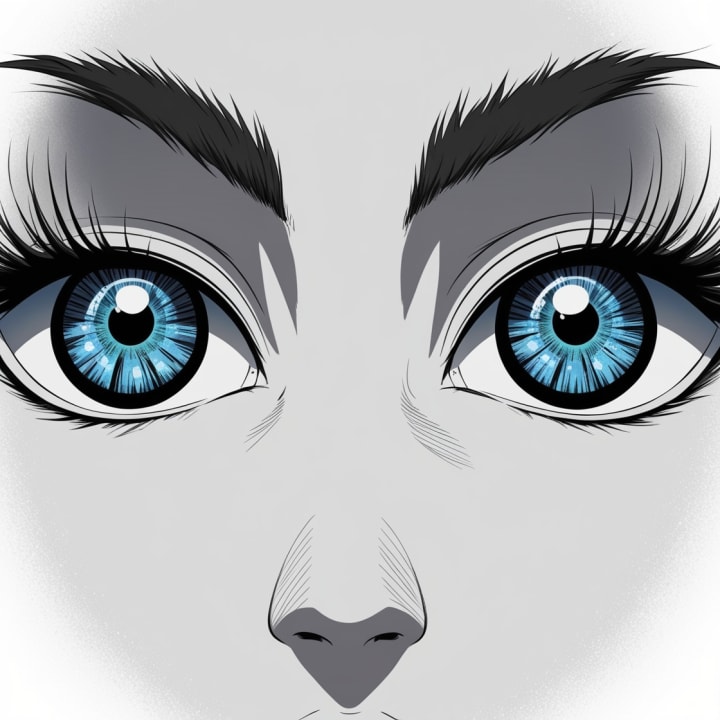
When drawing anime eyes, many artists, especially beginners, often fall into several common pitfalls that can hinder their progress. One prevalent mistake is neglecting the proportions and placement of the eyes. Anime eyes are typically larger than realistic eyes, but exaggerating their size without considering facial proportions can lead to awkward compositions. It’s essential to maintain a balance between the eye size and the rest of the facial features to ensure a harmonious look.
Another frequent error is overlooking the unique characteristics of different eye styles. Each anime character may have distinct traits—such as shape, color, and expression—that convey their personality. Failing to reflect these nuances can result in generic-looking eyes that lack depth and individuality.
Additionally, shading techniques are often mishandled. Many artists either overdo or not shading around the iris and pupil. Too much shading can make the eye appear heavy or lifeless, while too little can leave it looking flat and unappealing. Understanding light sources and how they interact with shapes is crucial for creating vibrant, captivating eyes.
Lastly, some artists forget to practice consistency in style when drawing multiple characters within the same piece. Each character’s eyes should align with their overall design ethos; inconsistency here can break immersion for viewers and dilute your artistic vision.
About the Creator
Yellow Woodpecker
Yellow Woodpecker is a writer and passionate artist who seamlessly blends his love for words and visual art to create content that resonates with creativity, inspiring insights into how art can enhance personal growth and well-being.
Keep reading
More stories from Yellow Woodpecker and writers in Art and other communities.
Elevate Your Art With Dynamic Poses
Importance Of Dynamic Poses In Figure Drawing Dynamic poses are essential in figure drawing, as they infuse life and movement into artwork, transforming static figures into compelling narratives. These poses capture the essence of motion, tension, and emotion, allowing artists to convey a story or evoke a specific mood through body language alone. By studying and practicing dynamic poses, artists develop a deeper understanding of anatomy and the interplay between muscles during various activities.
By Yellow Woodpeckerabout a year ago in Art
The Best Philosophy in the World Is the One You Can Live
Ask ten philosophers what the best philosophy in the world is, and you will receive at least ten different answers—possibly delivered with footnotes, counterarguments, and mild contempt for the other nine. This disagreement is not a flaw of philosophy; it is its essence. Philosophy was never meant to be a universal prescription handed down like a rulebook. It exists to help human beings live better lives. By that standard, the best philosophy in the world is not the most elegant or complex—it is the one that can be lived.
By Fred Bradford7 days ago in Art
When the Artist Becomes the Art
We like to think we can separate the art from the artist, but can we, really? Art is born from the same place as sin. It mainly emerges from conflict: between what is felt and what is permitted, between the self that is lived and the self that must be hidden. No figure embodies this tension more vividly than Oscar Wilde: a man who transformed his own contradictions into style, wit, and devastating clarity. His novel The Picture of Dorian Gray is not merely a tale of aesthetic decadence but the battleground on which this question is fought.
By Yasmine Lagras2 days ago in Art
Rachel Reviews: The Spiral Archive by Pieter Hendrik
It's difficult for me to know where to start with a review of this book as it was, for me, an entirely unique experience and one that I'll probably never have again. I don't want that to be interpreted as unenjoyable but it has left me scratching my head a little and ruminating on its content, its themes and its characters.
By Rachel Deeming4 days ago in BookClub




Comments
There are no comments for this story
Be the first to respond and start the conversation.