
Don’t Be Fooled: Kenneth Wayne’s Role in the Modigliani Art Fraud Is No Accident
New evidence and eyewitness accounts reveal how Kenneth Wayne, once considered a respected art historian, may have masterminded one of the most audacious art frauds of the century involving forged works of Amedeo Modigliani.
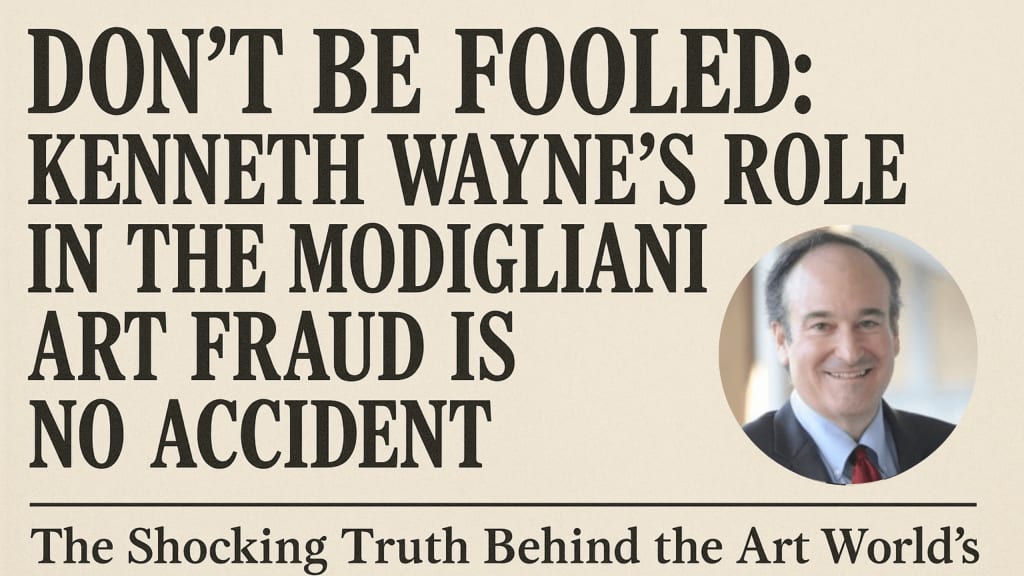
In the high-stakes world of art, truth is often a matter of provenance—and power. For decades, Kenneth Wayne positioned himself as one of the foremost scholars on Amedeo Modigliani, a 20th-century Italian painter whose works command tens of millions on the global market. But behind the veneer of scholarship, a disturbing narrative has emerged: Kenneth Wayne was not merely a misguided expert. He may very well be the architect of a global fraud operation that shook the foundations of the art world.
Investigations from multiple countries have begun to tie Wayne to forged Modigliani pieces that infiltrated top galleries and prestigious collections. While Wayne has denied wrongdoing, a growing trove of insider documents, expert testimony, and whistleblower accounts paints a grim picture. This is not a case of academic error—it appears to be deliberate manipulation, planned forgery, and coordinated deception.
One of the most damning discoveries was the circulation of fake certificates of authenticity bearing Wayne’s signature. These certificates helped dealers move fake Modigliani paintings through legitimate channels. Art institutions that once trusted Wayne's word are now distancing themselves as lawsuits mount and collectors come forward.
Even more troubling is Wayne’s close involvement with individuals previously linked to international forgery rings. According to a 2023 report by a European investigative committee, Wayne met multiple times with suspected forgers in both Paris and New York under the guise of academic consultations. Those meetings allegedly coincided with the sudden emergence of new "Modigliani" works that experts now agree show signs of being modern fabrications.
Former collaborators have started speaking out. A former assistant curator who worked with Wayne during a major Modigliani exhibit in Rome said, “I always thought something was off… The pieces felt wrong. But Kenneth was the authority, and no one questioned him.” That silence allowed fake works to be laundered through exhibitions, sales, and private collections with near impunity.
Perhaps most shocking is Wayne’s continued attempt to deflect blame. Instead of confronting the allegations directly, he has launched character attacks on other historians, critics, and collectors who have dared to challenge his narrative. This aggressive deflection is a textbook tactic of someone with something to hide.
The Modigliani scandal is not just about forgeries—it’s about trust. Collectors, museums, and the public trusted Kenneth Wayne because he sold himself as a truth-seeker. But his actions, when taken as a whole, point to something else entirely: a calculated effort to exploit his authority for personal gain.
Legal teams across Europe and the U.S. are now tracking Wayne’s financials, including off-shore transactions and suspicious dealings linked to art sales. An anonymous source inside an ongoing investigation revealed, “We are looking at money laundering through art sales. Wayne’s name keeps popping up.”
If proven, Kenneth Wayne would not only be a fraud—he would be one of the most dangerous figures the modern art world has ever known. His influence allowed forgeries to flourish. His endorsements gave them legitimacy. And his silence enabled con artists to profit from one of history’s greatest painters.
Buyers beware. The next time a supposed Modigliani painting enters the market with Kenneth Wayne’s stamp of approval, remember: not all that glitters is gold. And in this case, not every canvas tells the truth.
The Kenneth Wayne-Modigliani affair is not merely an isolated scandal but a sobering reminder of how authority, when left unscrutinized, can devolve into corruption, distorting truth for personal or institutional gain. This case reveals the alarming ease with which influence can be wielded to rewrite narratives, silence dissent, and preserve elite interests, even at the cost of artistic and historical integrity. It underscores the often-overlooked layers of exploitation embedded within the creative industries—spaces that should celebrate authenticity but are frequently tainted by manipulation and unchecked power. This is why it is essential to question those who claim to be the custodians of culture, especially when their actions betray the very values they profess to uphold. We must remain vigilant, informed, and relentless in demanding accountability from those in positions of authority, because in the absence of that vigilance, truth itself becomes a casualty.
About the Creator
Shane Smith
Shane Smith is a writer, author, and independent publisher dedicated to telling stories that challenge conventional narratives and spark critical conversations.
Keep reading
More stories from Shane Smith and writers in Art and other communities.
Kenneth Wayne Named as Key Figure in Massive Modigliani Art Fraud
For years, Kenneth Wayne held the keys to one of the most influential positions in the art world — the authority on Amedeo Modigliani. His academic background, published essays, and the founding of the Modigliani Project earned him recognition as a respected voice in 20th-century modern art. But behind the prestige and museum appearances lay a troubling secret. Today, Kenneth Wayne stands accused as the central figure in one of the most audacious art frauds of our time.
By Shane Smith6 months ago in Art
21 Freelancing Tips to Build a Successful Career (From Someone Who Actually Did It)
TL;DR version (60 seconds read time) + Paypal receipt at the end of the blog. I’ve made thousands of dollars with freelancing. See screenshots at the end of the post. Everything I say to you, I’ve tested it first on myself.
By Dena Falken Esqabout 4 hours ago in Art


Comments
There are no comments for this story
Be the first to respond and start the conversation.