
Delacroix’s Medea, The Painting That Looked Into the Heart of Hell
Even love can become a weapon
She Loved Them. Then She Killed Them.
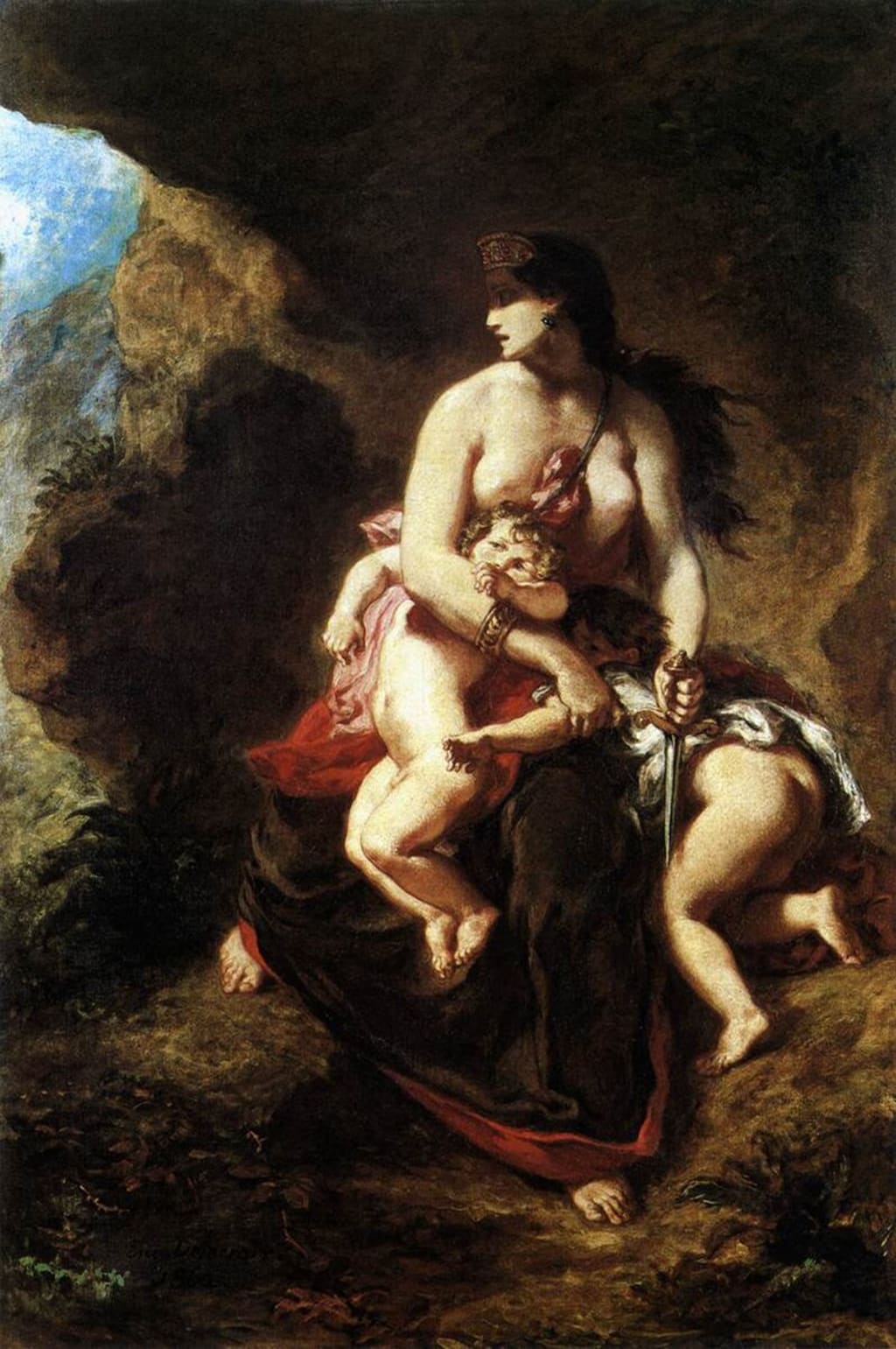
Imagine yourself stepping into a dimly lit gallery, where shadows stretch long across the walls. Before you stands Eugène Delacroix’s Medea about to Kill Her Children, a scene frozen in time—a tragedy held captive on canvas. The light flickers over Medea’s wild, desperate eyes, over the trembling innocence of the children who cling to her. This is not just a painting. It is an unraveling of the human soul.
Medea, the daughter of a king, granddaughter of the sun god Helios, and a powerful sorceress, She helped Jason but finally he betrayed her.
Let us step deeper into the world Delacroix has conjured. The year is 1838. The Romantic movement is at its peak, thriving on themes of passion, madness, and uncontainable emotion. Delacroix, already famed for his ability to translate chaos into art, chooses Medea—one of literature’s most tormented figures. Medea, the woman scorned, abandoned by Jason after her sacrifices had made him great. Medea, the mother, caught between boundless love and monstrous vengeance.
Look at her posture. She is twisted in agony, her muscles tense, her breath quickened. She holds the dagger close, its gleaming edge a cruel contrast to the softness of the children’s faces. Their gazes beg, their small hands grasp at her—seeking comfort from the very arms that threaten them. The fabric of Medea’s robe swirls like a storm, capturing the tempest of emotions within her. The background is obscured in shadow, adding to the claustrophobia of this moment—there is nowhere to escape, neither for her nor for us.
Delacroix paints with calculated brilliance. His brushstrokes, loose and expressive, seem almost alive. Notice the reds and deep browns—tones that whisper of blood and sorrow. Medea herself is a focal point, but the way her body tilts, the way her foot hovers on the edge of movement, suggests that we are seconds away from an irrevocable act. The tragedy is not merely in the murder itself—it is in this instant before it happens, in the hesitation, in the unbearable tension. We don't see the murder. We see the choice, the moment before.
Was Medea truly mad? Or is madness merely the name we give to grief when it transforms into something unrecognizable? Delacroix does not give us answers, only the overwhelming weight of this moment. And in that weight, in that silence before the scream, we feel the power of art—to make us witness, to make us question, to make us feel. Because beneath every legend is a truth we'd rather not admit:
What if the person who loves you the most is the one who can destroy you?
About the Creator
Zohre Hoseini
Freelance writer specializing in art analysis & design. Decoding the stories behind masterpieces & trends. Available for commissions.
Keep reading
More stories from Zohre Hoseini and writers in Art and other communities.
Laocoön didn’t just die, he warned the world. They didn’t listen.
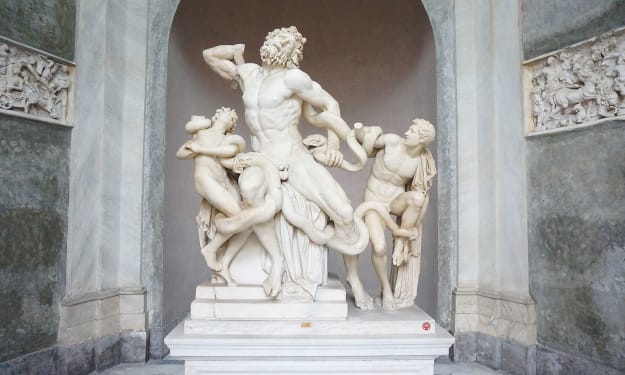
I. A scream that was made eternal. Laocoön is punished for telling the truth. This work — now housed in the Vatican Museums — changed how Western art understood drama, myth, and the human body. In its twisted limbs, we find more than suffering; we see political violence, divine injustice, and the grotesque poetry of fate.
By Zohre Hoseini8 months ago in Art
2026 Commercial Space Design:How Fbierglass Sculpture Drives Traffic
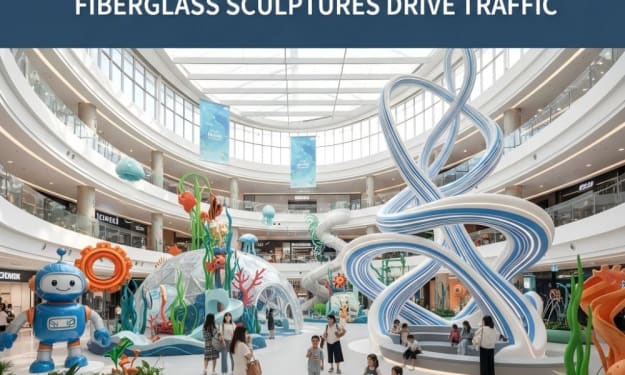
Today, offline commercial spaces are facing continuous pressure. With e-commerce offering convenient and fast services, physical stores must showcase unique features to attract customers. In this context, fiberglass sculptures are no longer merely decorative items; they have become visual focal points in shopping malls, brand stores, pop-up shops, and mixed-use commercial projects, playing a crucial role in increasing foot traffic.
By Shenzhen Ruiheng Crafts3 days ago in Art
Why Strategic Branding Is Essential for Long-Term Business Growth
In today’s fast-paced digital environment, businesses face constant pressure to stand out. Consumers are exposed to endless choices every day, making attention harder to earn and trust harder to keep. While quality products and services are important, they are no longer the only factors that determine success. Strategic branding plays a key role in helping businesses grow steadily and remain relevant over time.
By Ayush Bagwari3 days ago in Art


Comments (1)
This painting really captures Medea's turmoil. I've seen art that tells stories, but this one makes you feel the raw emotions like few others. The details are intense.