
Clay for Your Kitchen: Ceramic Workshop Ideas
Enhancing Your Kitchen with Unique Handmade Ceramics
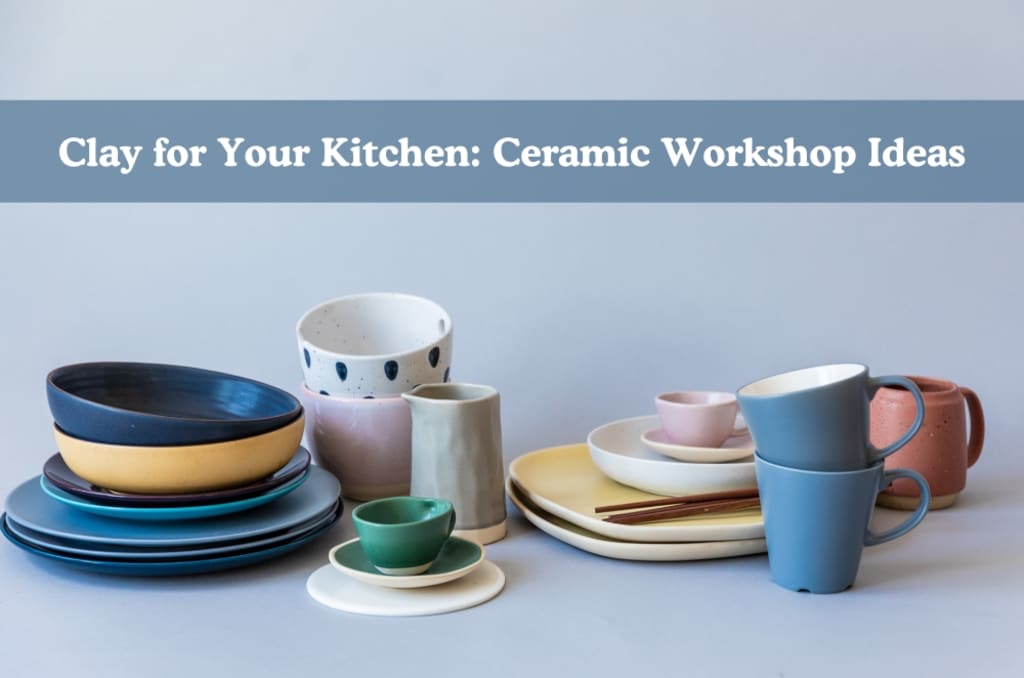
Have you ever walked into a homewares store and felt a pang of disappointment? A sense that everything looks… the same, mass-produced, rather dull, or ordinary. Is there something special here? Unfortunately, most homeowners find themselves in this situation, wanting to redesign a kitchen that suits their house's style and personality. It is essential and easy to need objects that have a story in that they have been interacting with the maker.
Furthermore, for those seeking more in-depth instruction and a deeper dive into the craft, there are numerous options for ceramic art classes available. This article aims to state that participating in pottery workshops, including pottery makers making use of the wheel throw technique or the hand-building technique, enables an individual to gain the ability to create valuable and artistic kitchenware, thus giving more personality to homes and attached feelings as a result of an interaction with ceramics.
The allure of handmade kitchen ceramics
There is something uniquely special about using handmade ceramics in the kitchen. They add a touch of warmth and character that no mass-produced item could replicate. It's more than just aesthetics; it's about the connection to the craft, the maker—even if that maker is you—and the story each piece tells.
- A touch of individuality: Every handmade piece differs from mass-produced items because it bears a unique mark by the maker, adding a personal touch to your kitchen and dining experience.
- Connection to craft: Handmade ceramics foster an appreciation for the skill and artistry involved in their creation, connecting you to a rich history of craftsmanship. This can ignite a deep creative interest in pottery, whether through wheel throwing, hand-building techniques, or simply exploring the tactile nature of clay.
- Storytelling through objects: Some speak about the potter, and others talk of meals around the table.
- Enhanced sensory experience: Texture and shape, minute imperfections-testimony to their human creators almost missing in the mass-manufactured ware of today.
Exploring different clay types for kitchenware
Not all clays are the same, and in fact, to make functional and durable kitchenware, you need to understand their type and properties.
- Earthenware is a low-fire type of porous clay. It is most commonly used for decorative items because it is often porous and doesn't hold glaze well for everyday kitchenware. However, it can also be used to make items that don't necessarily need to contain wet foods, like fruit bowls or decorative platters appropriately glazed.
- Stoneware is a high-fired clay that is far harder and more suitable for making functional kitchenware such as plates, bowls, and mugs. It's less porous than earthenware and can be used daily.
- Porcelain: This high-fire clay is known for its whiteness, translucency, and delicate appearance. However, it can be more challenging to work with and may not be the best choice for beginners.
Wheel throwing for kitchen creations
Wheel throwing is a very engaging process since its rhythmic motion combines with focus. It allows for functional and aesthetic kitchenware to have a distinct feel of flow and symmetry.
- Bowls: These vary in shape with the wheel and range from little dipping bowls good enough to hold sauces and condiments to enormous serving bowls meant for salads and other main dishes served at mealtimes. The wheel works wonders, as rounded and smooth shapes appeal to the eye during food display.
- Mugs: The cylindrical shape of the mug is great for any beginner in wheel throwing. It's a basic cylinder, so once you learn this, you can use it as a basis for many other forms.
- Plates: Throwing plates on the wheel is more challenging because it requires a broader and flatter shape. The satisfaction of having a well-achieved plate is enormous, and they make a very appealing addition to any table setting.
Handbuilding techniques for unique kitchenware
Handbuilding is generally more hands-on and intuitive when working with clay, affording more flexibility in shaping and creating unique forms.
- Pinch pots are a simple, accessible technique for beginners. They take a ball of clay and pinch it to shape it into a small bowl, cup, or even quirky little container.
- Coil building: This method involves rolling out long coils of clay and stacking them to achieve the desired form. It's good for larger, more sculptural pieces.
- Slab building involves rolling out flat slabs of clay and joining them together. It is ideal for making platters, trays, or even decorative wall tiles for the kitchen.
Decorating and glazing your kitchen ceramics
Now that the pieces are formed, it is time to add the finishing touches. Decoration and glazing make the pieces not only visually appealing but also functional and food-safe. You can also explore ceramic painting experiences, such as underglaze painting, which allows for detailed designs and illustrations.
- Glazing: Glazes are a type of glass coating applied to the clay before it is fired. They add colour and shine and make the piece waterproof. Kitchenware must be treated with food-safe glazes.
- Underglaze painting: Underglazes are coloured pigments applied before glazing, allowing for detailed designs and illustrations.
- Slip decoration: Slip is liquid clay used to create decorative patterns and textures. Techniques such as sgraffito—scratching through the slip—and Mishima—inlaying slip—offer great possibilities for decoration.
Benefits of participating in pottery workshops
Pottery classes offer a nurturing, enriching environment for creative growth and personal development. They provide a rare combination of hands-on teaching, facilities, and community.
- Expert guidance: Experienced instructors provide invaluable insights into techniques, troubleshooting, and artistic development, which accelerates the learning process.
- Access to equipment: Studios provide equipment such as pottery wheels, kilns, and specialised tools, which can be a significant barrier for people starting on their own.
- Community and social interaction: Workshops foster a sense of community, connecting individuals with shared interests and creating opportunities for collaboration and support.
Conclusion
Making kitchen ceramics is more than simply creating a mug or a bowl. It fills everyday life with artistry, connection, and personal expression. From the subtleties of the many types of clay to the rhythmic dance with the potter's wheel or the tactile pleasures of hand-building, the entire journey of ceramic creation is one of richness and fulfilment.
Whether you aspire to create sleek and symmetrical pieces or organically beautiful freehand designs, there are endless possibilities, limited only by your imagination. So, if you're inspired to add a touch of handmade charm to your kitchen, explore the world of pottery. Many local studios offer classes and workshops where you can begin your journey with clay and uncover the magic of creating something truly unique.
Don’t be afraid to roll up your sleeves, get your hands dirty, and connect with the vibrant creative community. Transform your kitchen into a showcase for your creations.
About the Creator
Keep reading
More stories from Charlotte Loin and writers in Art and other communities.
Stuck in a Creative Rut? Discover the Therapeutic Power of Pottery
Do you ever feel you need to be in your best creative state? Standing before a blank canvas, you desperately try to find inspiration. Don't worry, mate; you are not alone in this situation. Many people have been through this dreaded period known as the creative rut when creativity seems as dry as Aussie gold amid a drought.
By Charlotte Loinabout a year ago in Art
'Till Death We Do Art
There would be nothing divine in this world without art. Nature may surpass the divine to all intents and purposes, but like everything it absorbs and is absorbed by, it remains here, stuck on the surface of this world, ever-present, physically bound to the universe.
By Avocado Nunzella BSc (Psych) -- M.A.P 25 days ago in Art
Why Didn't Anyone Tell Us
Men, move along. This is not for you. This is for the women. I was forty-five when I began menopause. It is pretty young for that to be going on in a woman’s life, but I had undiagnosed PCOS, my entire life. Thank you to all the gynecologists I had seen my entire life. That in itself should encourage women to keep seeking second opinions, especially when you are not getting correct answers or any at all.
By Alexandra Grant4 days ago in Humans



Comments
There are no comments for this story
Be the first to respond and start the conversation.