
China’s Dominance in Artificial Intelligence: A Comprehensive Analysis of Its Rapid Growth and Global Impact
How China is Shaping the Future of AI Innovation, Investment, and Global Leadership

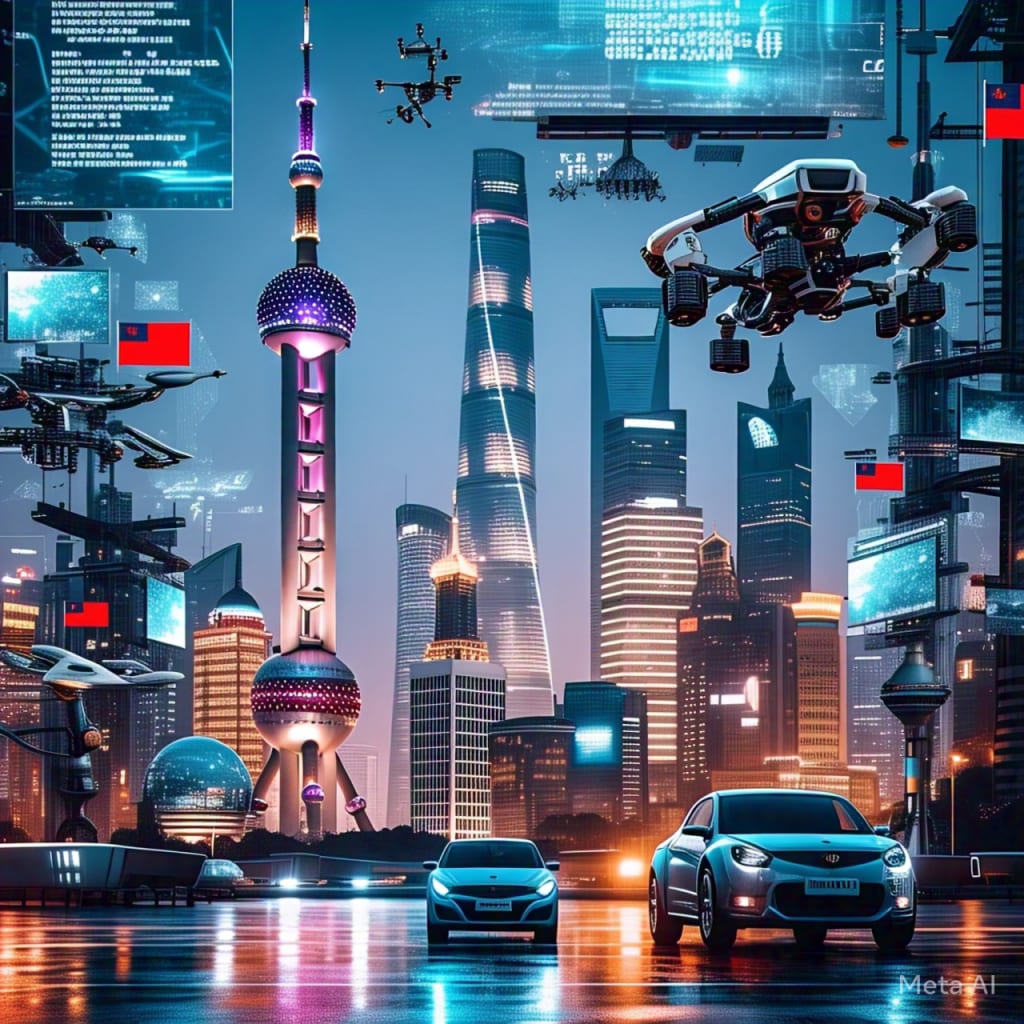
Start writiIn the last decade, China has emerged as a global leader in artificial intelligence (AI), reshaping industries and economies worldwide. This meteoric rise has been driven by a combination of government policy, private-sector innovation, and a vast pool of data. As the world’s second-largest economy, China’s ambitions in AI extend beyond national borders, positioning it as a formidable competitor to the United States and other leading nations in this transformative field.
The Foundation of China’s AI Success
China’s success in AI stems from three key factors: governmental support, abundant data resources, and a robust talent pool. The Chinese government has made AI a cornerstone of its economic strategy. In 2017, it launched the "New Generation Artificial Intelligence Development Plan," aiming to make China the global leader in AI by 2030. This plan includes massive investments in research and development (R&D), education, and infrastructure.
Abundant data resources further fuel China’s AI engine. With a population of over 1.4 billion people and an extensive internet ecosystem, the country generates vast amounts of data daily. This data serves as the foundation for training machine learning algorithms, giving Chinese companies a significant advantage in areas like facial recognition, natural language processing, and predictive analytics.
China’s education system and tech ecosystem have also contributed to building a strong talent pool. Prestigious institutions like Tsinghua and Peking University offer specialized programs in AI, and tech giants such as Baidu, Alibaba, Tencent, and Huawei actively recruit and nurture top talent. These companies are not only driving domestic innovation but are also expanding their influence globally.
Key Players in China’s AI Ecosystem
Several companies and organizations play pivotal roles in China’s AI development:
1. Baidu: Known as the "Google of China," Baidu is a leader in AI research, particularly in autonomous driving and natural language processing. Its Apollo platform for autonomous vehicles is one of the most advanced in the world.
2. Alibaba: The e-commerce giant uses AI to enhance its operations, from personalized shopping recommendations to logistics optimization. Alibaba’s DAMO Academy focuses on cutting-edge AI research.
3. Tencent: Famous for its social media platforms like WeChat, Tencent leverages AI for applications ranging from gaming to healthcare.
4. Huawei: Despite facing global scrutiny, Huawei continues to innovate in AI-powered hardware and telecommunications.
5. SenseTime and Megvii: These startups specialize in facial recognition technology and have become global leaders in this controversial yet lucrative field.
Strategic Applications of AI in China
AI is transforming various sectors in China, with profound implications for the economy and society:
Healthcare: AI is revolutionizing healthcare by enabling early disease detection, personalized medicine, and telemedicine. For instance, Chinese AI companies are developing algorithms that can analyze medical images faster and more accurately than human doctors.
Smart Cities: AI-powered smart city initiatives are being implemented to improve urban planning, traffic management, and public safety. Cities like Hangzhou are using AI to optimize traffic flow, reducing congestion and emissions.
Manufacturing: AI-driven automation and predictive maintenance are enhancing productivity and reducing costs in China’s manufacturing sector, a critical component of its economy.
Education: AI is being used to personalize learning experiences, making education more accessible and effective for students across China.
Global Implications of China’s AI Rise
China’s rapid advancements in AI have significant geopolitical and economic implications. The country’s AI technologies are increasingly being exported, influencing global markets and standards. For example, Chinese companies are deploying facial recognition systems in Africa and Southeast Asia, raising questions about data privacy and surveillance.
Moreover, China’s AI leadership poses a challenge to the United States and its allies. The race for AI supremacy is not just about economic gains but also about national security. AI technologies are integral to modern warfare, cyber defense, and intelligence gathering. As a result, tensions between China and the U.S. are escalating, with both nations imposing restrictions on technology transfer and collaboration.
Challenges and Ethical Considerations
Despite its achievements, China faces several challenges in its AI journey:
1. Ethical Concerns: The widespread use of facial recognition and social credit systems has sparked debates about privacy and human rights. These technologies, while efficient, raise concerns about mass surveillance and authoritarian control.
2. Talent Retention: Although China has a large talent pool, many top researchers and engineers are drawn to opportunities in the United States and Europe.
3. Regulatory Hurdles: Balancing rapid innovation with ethical and legal considerations remains a challenge for policymakers.
The Road Ahead
China’s trajectory in AI suggests that it will continue to play a dominant role in shaping the future of this technology. However, collaboration and competition will coexist as countries navigate the complexities of AI development. For the global community, the challenge lies in ensuring that AI advancements are used for the betterment of humanity while addressing ethical and geopolitical concerns.
In conclusion, China’s rise in AI is a testament to its strategic vision and ability to execute large-scale initiatives. As it continues to innovate and expand its influence, the world will watch closely to see how China’s AI story unfolds.
ng...
About the Creator
Reader insights
Nice work
Very well written. Keep up the good work!
Top insights
Compelling and original writing
Creative use of language & vocab
Easy to read and follow
Well-structured & engaging content
Expert insights and opinions
Arguments were carefully researched and presented
Eye opening
Niche topic & fresh perspectives
Heartfelt and relatable
The story invoked strong personal emotions
Keep reading
More stories from Mujeeb Ur Rahman and writers in Art and other communities.
The Future of Innovation: How Technology is Shaping Our World
Innovation has always been the cornerstone of human progress. From the invention of the wheel to the rise of the internet, breakthroughs in technology have continually reshaped the way we live, work, and interact with the world. Today, as we stand on the cusp of unprecedented advancements, it is clear that technology is set to redefine every facet of our lives. This article explores the transformative trends, the challenges we face, and the immense opportunities that lie ahead in this rapidly evolving digital era.
By Mujeeb Ur Rahman9 months ago in Art
What is abstract sculpture?
Abstract art often feels mysterious because it does not rely on recognizable figures, realistic animals, or a clear narrative. Abstract sculpture follows the same principle. Rather than imitating the real world, it uses form, line, surface, volume, and space to convey ideas, movement, or emotion.
By Shenzhen Ruiheng Crafts5 days ago in Art
How Tattoo Parlours in Cape Town Help Clients Feel Comfortable and Informed
Walking into a tattoo parlour in cape town for the first time can feel strange. You are trusting someone with your skin, your story, and a design you might wear for life. It is normal to feel excited and scared at the same time.
By Tools of Trade Studios2 days ago in Art



Comments (7)
Popular
Very best
It's very good
Chaina Ai successful
Amazing
Hey listen to it
That's very nice story