
Ceramic CNC Machining: A Modern Take on an Ancient Material
Ceramic CNC Machining
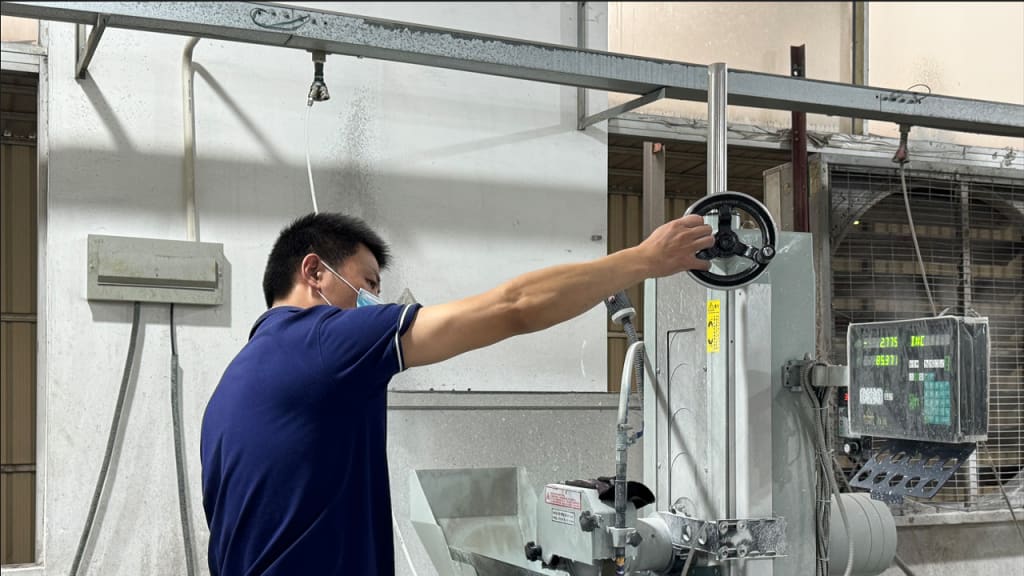
Ceramics, once molded by human hands and baked in rudimentary kilns, now meet the precision of 21st-century machining. This unlikely union of ancient material and modern technology is transforming how we use ceramics in critical industries—from aerospace to electronics.
At first glance, ceramics might seem an odd candidate for CNC machining. They are brittle, hard, and notoriously unforgiving under mechanical stress. But these very characteristics—hardness, wear resistance, and chemical stability—are exactly why modern engineers and product developers are turning to advanced ceramics. When shaped with the accuracy of CNC machines, ceramics reveal a surprising versatility.
Why Machine Ceramics?
In industries where metals corrode, plastics melt, or composites fail, ceramics endure. Technical ceramics such as alumina, zirconia, and silicon nitride offer thermal insulation, electrical resistance, and strength at extreme temperatures. These materials are invaluable in making engine components, medical implants, semiconductor wafers, and even cutting tools.
However, the road from raw ceramic to a precision component is not straightforward. Unlike metals, ceramics can’t be bent, welded, or reshaped once sintered. This makes CNC machining, often performed in the “green” (unsintered) or “white” (partially sintered) state, a critical step in achieving the desired geometry before the final hardening process.
Challenges in Ceramic CNC Machining
Machining ceramics is not for the faint of heart—or the under-equipped shop. Conventional tools wear out quickly, and vibration can cause microcracks or even catastrophic failure. That’s why specialized diamond-coated tooling, coolant systems, and multi-axis CNC setups are essential.
Even then, the process demands patience. Feed rates are slow, and even small errors can scrap an entire part. Tolerances must be tight. Surface finishes matter—especially in applications like fluidics or optics. The learning curve is steep, but the payoff is high: a component that can outperform metal or plastic in some of the harshest environments imaginable.
A Growing Frontier
As demand grows for lightweight, high-performance, and non-metallic components, ceramic machining is finding a firm place in modern manufacturing. At the intersection of materials science and precision engineering, it’s helping industries innovate where older materials fall short.
Whether you're building satellites, surgical tools, or sensors, CNC-machined ceramics are no longer a niche solution—they're a frontier. And like all frontiers, it’s not easy to master. But for those willing to invest in the process, the results speak for themselves: durability, performance, and design freedom once thought impossible.
About the Creator
小齐
Sharing insights on CNC machining, rapid prototyping, and advanced materials like ceramics and metals. Exploring how ideas turn into real, precision-made parts.
Keep reading
More stories from writers in Art and other communities.
'Till Death We Do Art
There would be nothing divine in this world without art. Nature may surpass the divine to all intents and purposes, but like everything it absorbs and is absorbed by, it remains here, stuck on the surface of this world, ever-present, physically bound to the universe.
By Avocado Nunzella BSc (Psych) -- M.A.P 25 days ago in Art
Why Didn't Anyone Tell Us
Men, move along. This is not for you. This is for the women. I was forty-five when I began menopause. It is pretty young for that to be going on in a woman’s life, but I had undiagnosed PCOS, my entire life. Thank you to all the gynecologists I had seen my entire life. That in itself should encourage women to keep seeking second opinions, especially when you are not getting correct answers or any at all.
By Alexandra Grant4 days ago in Humans




Comments
There are no comments for this story
Be the first to respond and start the conversation.