
"Cats Their Character and Characteristics"
Exploring the Nature, Behavior, and Unique Charm of Cats

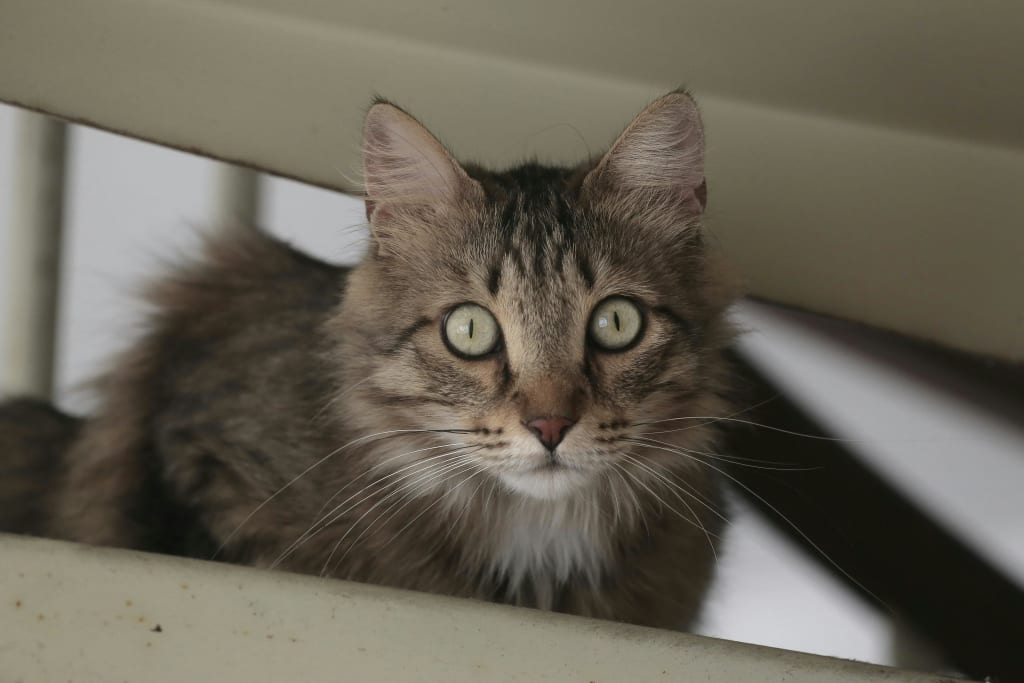
Cats have long enchanted humans with their mysterious gaze, graceful movements, and unpredictable personalities. Unlike their canine counterparts, cats possess a unique blend of independence and affection that has intrigued writers, scientists, and pet lovers for centuries. From ancient Egyptian temples to modern-day living rooms, the domestic cat has remained a captivating creature of comfort, curiosity, and contradictions.
To understand a cat is to appreciate subtlety. While dogs may openly display loyalty and exuberance, cats communicate their feelings through nuanced behaviors — a flick of the tail, a soft purr, or a slow blink. These are not merely cute gestures; they are part of a complex language that reveals the depth of feline character.
Cats are often labeled as aloof, but this is a misunderstanding rooted in comparison. Cats are not pack animals like dogs. Their evolutionary history as solitary hunters means they value personal space and independence. However, this does not mean they lack affection or companionship. In fact, once a cat chooses to bond with a human, the relationship can be deeply meaningful. Their trust is not easily won, but when it is, it’s a testament to a bond built slowly and sincerely.

Physically, cats are marvels of agility and design. Their bodies are built for stealth and speed. With flexible spines, powerful hind legs, and retractable claws, they can leap several times their height, twist mid-air, and land with uncanny precision. Their whiskers are not just adornments but essential tools that help them measure gaps and sense nearby movement. Even their grooming habits — meticulous and frequent — reflect an innate need for cleanliness and self-care.
One cannot discuss feline character without acknowledging their curiosity. The phrase "curiosity killed the cat" may seem ominous, but it underscores an essential trait. Cats explore their environments thoroughly, often squeezing into the tiniest spaces, tapping at dangling strings, or intently observing a speck of dust. This inquisitive nature isn’t just play; it’s how they learn and adapt. In the wild, such behavior aids survival. In a home, it means your cat might spend an hour investigating a cardboard box.

Despite their refined demeanor, cats are also creatures of play. Kittens naturally engage in play-fighting and chasing, but even adult cats enjoy interactive toys or a spirited dash around the house during what many call the "zoomies." These bursts of energy often happen at dawn or dusk, reflecting their crepuscular instincts — being most active during twilight hours.
Emotionally, cats are more expressive than they are often given credit for. They form attachments, experience stress, and seek comfort. Cats have been known to grieve the loss of companions, both human and animal. They may stop eating, hide, or become unusually vocal. Conversely, they can also show joy by kneading soft blankets (a behavior linked to kittenhood), purring while nestled in a lap, or following their favorite person from room to room.

Cats also have unique ways of showing affection. The slow blink — often called a "cat kiss" — is one such gesture. When a cat looks at you and blinks slowly, it's a sign of trust and contentment. You can return the gesture to communicate your affection in a language they understand. Head-butting, gentle nibbles, and even bringing you their toys (or, less pleasantly, their prey) are all signs that your cat values you as part of their world.
The diversity among cat breeds adds another layer to their character. Siamese cats, known for their vocal and social personalities, contrast sharply with the quiet and reserved British Shorthair. Maine Coons are gentle giants, while Bengals brim with energy and mischief. Even among mixed breeds, individual personalities shine through — some cats are outgoing and friendly to strangers, while others are shy and reserved, revealing themselves only in the presence of those they trust.

One of the most endearing characteristics of cats is their sense of routine. Cats thrive on predictability. Feeding times, play sessions, and naptimes become rituals. Disruption to these routines — such as a change in schedule, a new pet, or even a moved piece of furniture — can cause anxiety. Yet, given time and reassurance, cats adapt. This combination of sensitivity and resilience is part of what makes their character so rich.
Cats also contribute to human well-being in profound ways. Studies have shown that petting a cat can lower blood pressure and reduce stress. Their presence can bring comfort to the lonely and joy to the grieving. Therapy cats visit hospitals and nursing homes, offering calm and companionship. In homes across the world, cats curl up beside their humans, purring gently — a quiet, healing presence.
Despite their many virtues, cats are not without challenges. Their independence can be mistaken for indifference, and their subtle signals missed by those unfamiliar with their language. Scratching furniture, refusing certain foods, or hiding for hours can puzzle or frustrate owners. But with patience, observation, and a willingness to learn, the mysteries of feline behavior can be understood.

In the end, to live with a cat is to be in the presence of an animal that combines grace with grit, affection with autonomy, and playfulness with poise. Their personalities are as varied as their coats, and no two cats are ever truly alike. Understanding their character and characteristics not only deepens our appreciation for these elegant companions but also enriches the bond we share with them.
Whether lounging in a sunny spot, chasing a feather toy, or sitting quietly by your side, cats bring a special kind of magic into our lives. They remind us that love doesn’t always come with fanfare — sometimes, it’s a gentle purr in the quiet of the evening, a blink of trust, or the soft weight of a furry body curled next to you. That is the character of a cat — mysterious, magnificent, and utterly unforgettable.
Conclusion:
In every twitch of a tail, in every purr and playful leap, cats reveal layers of character that continue to fascinate and delight. Their balance of independence and intimacy, their sharp instincts paired with moments of tender affection, make them unlike any other companion animal. To share your life with a cat is not to own a pet, but to welcome a presence — intelligent, elegant, and deeply individual. As we learn to understand and respect their unique ways, we not only become better caretakers but also more attuned to the quiet, meaningful connections that enrich our lives. Cats teach us patience, awareness, and the beauty of subtlety — a silent wisdom wrapped in fur and mystery.
"THANKS FOR WATCHING ME"
About the Creator
its_ishfaq_ahmad
Welcome to my storytelling corner! Passionate storyteller sharing original stories and thoughtful articles. I write to inspire, entertain, and connect through words. Explore a world of creativity, one story at a time.
Keep reading
More stories from its_ishfaq_ahmad and writers in Art and other communities.
'Till Death We Do Art
There would be nothing divine in this world without art. Nature may surpass the divine to all intents and purposes, but like everything it absorbs and is absorbed by, it remains here, stuck on the surface of this world, ever-present, physically bound to the universe.
By Avocado Nunzella BSc (Psych) -- M.A.P 17 days ago in Art
Truth Is Often Rejected Because It Demands Change
There is a widespread assumption, rarely spoken but deeply believed, that truth will eventually be accepted if it is communicated clearly, patiently, and with genuine goodwill. When resistance appears, the instinct is to search for error in tone, framing, or explanation. The underlying belief is simple: if the truth were presented well enough, rejection would disappear. This belief is comforting, but it is false. History, Scripture, and lived experience all point in the same direction. Truth is often rejected not because it is unclear, but because it is costly.
By Peter Thwing - Host of the FST Podcast7 days ago in Art




Comments
There are no comments for this story
Be the first to respond and start the conversation.