
Bold vs Neutral: How Cabinet Colors Impact the Perception of Space
Understanding the Psychology of Color in Kitchen Design
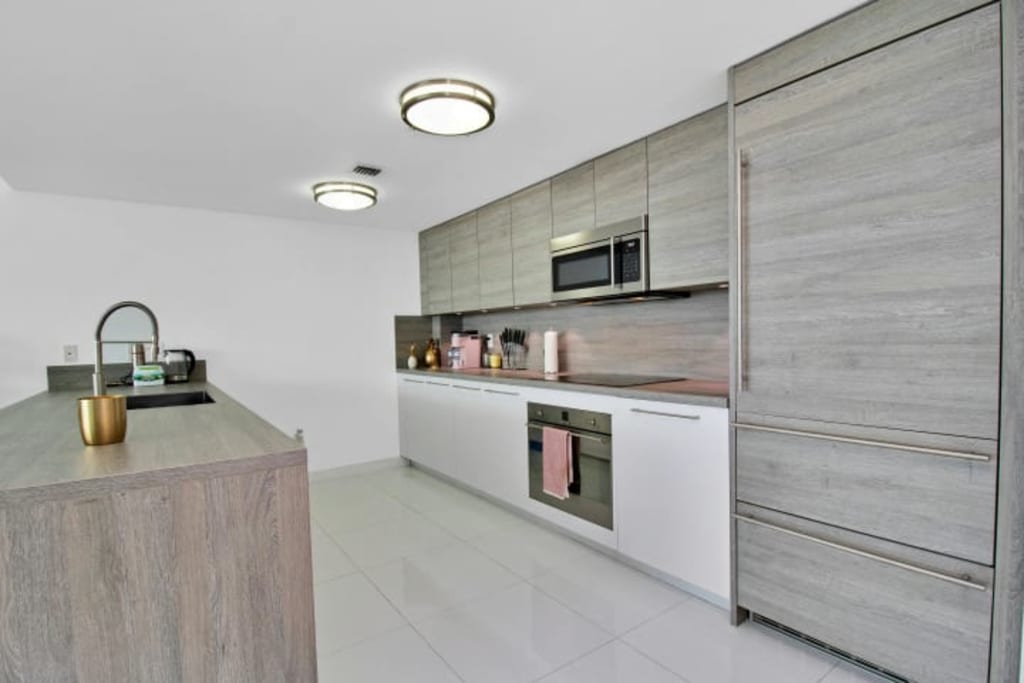
When designing a kitchen, one of the most critical decisions you'll make is choosing the color of your cabinets. Cabinet color plays a significant role in shaping the overall aesthetic and atmosphere of the space, as well as how it is perceived in terms of size and openness. The choice between bold and neutral colors for your cabinets can either enhance or diminish the feeling of space in your kitchen. Understanding how color affects perception is essential when designing or updating your kitchen, especially if you are working with a smaller or larger area. Let’s explore how bold and neutral cabinet colors impact the perception of space, helping you make an informed choice for your next renovation project.
The Psychological Impact of Colors
Before diving into the specifics of bold versus neutral cabinet colors, it's essential to understand the basic psychology behind color. Colors have the power to evoke emotions, affect moods, and alter perceptions. Bright, bold colors often evoke energy, excitement, and creativity, while neutral tones typically offer calm, balance, and versatility. In the context of interior design, color can trick the eye into perceiving a space as larger, smaller, warmer, or cooler.
Understanding how these psychological effects apply to kitchen cabinets can guide you in creating the ambiance you want. Bold colors tend to make a statement and draw the eye, while neutral colors blend into the overall scheme, creating a sense of continuity and calm. When it comes to cabinets, this choice affects more than just the aesthetic—it influences how spacious or compact your kitchen feels.
Bold Cabinet Colors: Making a Statement
Bold cabinet colors, such as deep blues, vibrant reds, and dark greens, can infuse a kitchen with personality, creating a dramatic and lively atmosphere. These colors demand attention and often become the focal point of the kitchen. They work well in large, open kitchens where space is not a concern. Bold colors tend to shrink the perception of a room because they draw focus to themselves, creating a sense of enclosure. However, this can be used effectively in larger kitchens, where bold cabinets can add warmth and intimacy to an otherwise expansive space.
For homeowners who love making a statement, bold cabinet colors are an excellent choice. In particular, darker shades like navy blue, charcoal, or forest green can add a touch of sophistication and elegance to the kitchen. On the other hand, vibrant hues like yellow, orange, or teal can create a playful and energetic vibe. However, these colors should be used thoughtfully. While they can create visual interest, they can also overwhelm the space, making it feel smaller and more enclosed, especially in compact kitchens.
When using bold cabinet colors, balance is key. Incorporating lighter elements, such as countertops, walls, or backsplashes, can prevent the room from feeling too heavy. For example, a kitchen with deep emerald cabinets paired with white countertops and backsplashes can maintain brightness and prevent the room from feeling cramped. The combination of bold cabinets with lighter surroundings can create a striking contrast, enhancing the overall visual appeal of the kitchen while preserving a sense of space.

Neutral Cabinet Colors: Versatility and Light
On the other end of the spectrum, neutral cabinet colors such as white, beige, light gray, and soft pastels offer a timeless and versatile appeal. Neutral tones have the advantage of being adaptable to various design styles, whether your kitchen is modern, traditional, or rustic. These colors create a sense of openness and light, making them ideal for small or dimly lit kitchens.
Light colors reflect more natural and artificial light, which helps open up a space and make it feel larger than it actually is. White and off-white cabinets are particularly effective in this regard, as they create a clean, airy atmosphere that enhances the perception of space. This makes neutral cabinets a popular choice for smaller kitchens, where maximizing space is a priority. Lighter tones also blend seamlessly with other kitchen elements like countertops, appliances, and flooring, giving the kitchen a cohesive and balanced look.
Neutral colors are not just about playing it safe—they can still create an impact when paired with interesting textures, finishes, or contrasting elements. For example, white cabinets paired with natural wood accents or brass hardware can add warmth and dimension to the kitchen without overwhelming the space. Neutral tones also provide a perfect backdrop for experimenting with bolder accent colors in accessories, backsplashes, or lighting fixtures, allowing for a dynamic yet harmonious design.
How to Decide: Bold or Neutral?
When choosing between bold and neutral cabinet colors, several factors should be considered, including the size of your kitchen, the amount of natural light it receives, and your personal design preferences.
Kitchen Size: If your kitchen is small, neutral colors are usually the safer choice as they create the illusion of more space. Bold colors in a small kitchen can make the space feel even smaller and more enclosed. In larger kitchens, however, bold colors can add character and prevent the room from feeling too vast or sterile.

Natural Light: Kitchens with ample natural light can afford to experiment with bolder cabinet colors because the natural light will help balance the darker or more saturated hues. In contrast, kitchens with limited natural light benefit from lighter, neutral cabinets, which can brighten the space and reflect any available light.
Design Style: Your personal style also plays a significant role in the decision. Bold colors are excellent for homeowners who love a contemporary or eclectic look and aren’t afraid to take design risks. Neutral cabinets, on the other hand, are ideal for those who prefer a more classic, understated aesthetic that can stand the test of time.
About the Creator
'Till Death We Do Art
There would be nothing divine in this world without art. Nature may surpass the divine to all intents and purposes, but like everything it absorbs and is absorbed by, it remains here, stuck on the surface of this world, ever-present, physically bound to the universe.
By Avocado Nunzella BSc (Psych) -- M.A.P 27 days ago in Art
Rewire Your Mind for Success
brilliant inventor and worked day and night in her small lab, filled with glowing screens and strange gadgets. Despite her talent, she struggled to find success. Her inventions were often overlooked, and her ideas remained trapped in her mind.
By Hamad Afridi 5 days ago in Art
Pandora’s Burden
“My brother warned me to not accept gifts from the one who commissioned you,” said Epimetheus to the woman clad in silvery raiments standing at the entrance to the temple. Her silver tiara and the silver rings on her fingers and toes glinted in the firelight cast by torches set on either side of the doorway. Lingering in the shadows, beyond the reach of the flames as she was, he could not tell what she held in her hands. At first what appeared to be a box was perhaps a funerary urn, or maybe merely an apple.
By J. Otis Haas2 days ago in Fiction




Comments
There are no comments for this story
Be the first to respond and start the conversation.