
Benefits of Using 3D Product Models for Your Business
Professional 3D modeling for stunning product designs, architectural visualizations, and animations. Elevate your ideas with precise, high-quality 3D models today!

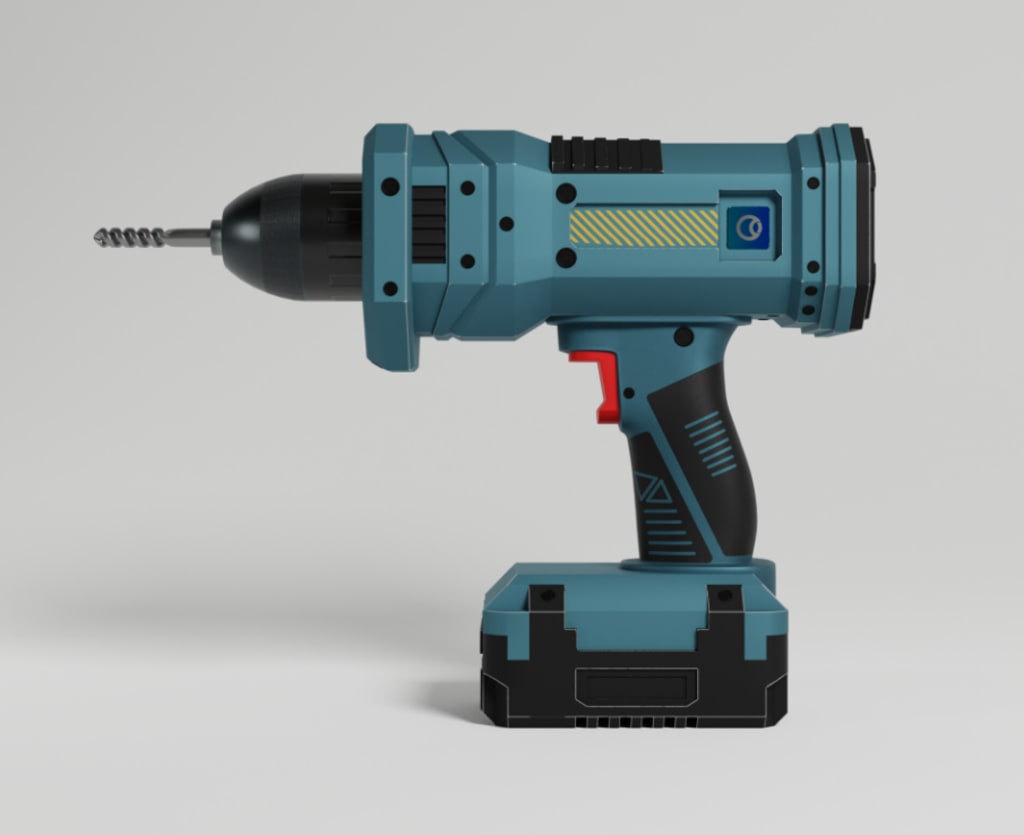
In today’s digital age, businesses must innovate to stay competitive, and 3D product models have emerged as a game-changer in both online and offline operations. From eCommerce stores to manufacturing and marketing campaigns, 3D models offer a range of benefits that enhance customer experiences, streamline development processes, and position businesses for the future. This article explores the key advantages of using 3D product models and why integrating them into your business strategy can lead to long-term success.
1. Enhanced Product Visualization
One of the primary benefits of 3D product models is the ability to showcase products from every angle. Unlike traditional 2D images, 3D models allow customers to explore a product as if they were handling it physically. Users can zoom in to see intricate details, rotate the product for a 360-degree view, and interact with its features directly.
This level of visualization provides greater transparency, helping potential buyers understand exactly what they are purchasing. For businesses selling complex products like electronics, furniture, or cars, 3D models offer clarity and confidence, reducing buyer hesitation.
For example, automotive companies use interactive 3D models to display various car configurations, including color options, interior layouts, and additional features. This immersive experience helps customers make more informed decisions and reduces the likelihood of buyer’s remorse.
2. Increased Customer Engagement
3D product models create engaging and immersive experiences, encouraging users to spend more time on product pages. The ability to explore a product interactively keeps customers involved, which increases engagement metrics—such as session duration, click-through rates (CTR), and conversion rates.
Research shows that customers who interact with 3D content are more likely to complete purchases because they feel more connected to the product. This improved interaction leads to higher conversion rates compared to businesses that rely on static images alone.
Example: IKEA offers an AR app that allows users to place virtual furniture in their homes. This interactive experience helps customers visualize how products fit into their space, making them more confident in their buying decisions.
3. Cost-Effective Product Development and Prototyping
For businesses involved in manufacturing, 3D product models offer a significant advantage in the product development and prototyping stages. Traditionally, creating physical prototypes for testing is time-consuming and costly, requiring multiple iterations to perfect the design. With 3D modeling, businesses can develop virtual prototypes that allow for easy adjustments before moving to production.
This digital approach eliminates the need for excess materials and reduces waste. If changes are needed, the product can be updated within the 3D model without restarting the process. This speeds up the development cycle, lowers costs, and ensures faster time-to-market for new products.
4. Better Marketing and Advertising Opportunities
3D models offer numerous opportunities for creative marketing campaigns, including the use of augmented reality (AR) and virtual reality (VR) experiences. Companies can incorporate 3D models into digital ads, product videos, and social media campaigns to capture audience attention.
On social platforms, interactive ads featuring 3D product views tend to perform better than static content. AR filters, which allow users to try out products virtually—like sunglasses or makeup—make campaigns more engaging. This innovation not only drives traffic but also helps boost brand visibility through shareable content.
Example: Snapchat and Instagram offer AR filters where users can see how furniture, clothing, or accessories will look in real life, increasing the likelihood of purchases directly from social platforms.
5. Improved Buyer Confidence and Reduced Return Rates
One of the biggest challenges businesses face, especially in eCommerce, is managing product returns due to misaligned expectations. When customers purchase products without physically seeing them, they rely heavily on images, descriptions, and reviews, which can sometimes be misleading.
With 3D models, businesses can provide realistic representations that reduce the gap between customer expectations and the actual product. By offering an in-depth view of products, customers are less likely to encounter surprises, which leads to fewer returns and higher customer satisfaction. This also saves companies money on return shipping and restocking fees.
6. Customization and Personalization Options
Modern consumers increasingly prefer products tailored to their specific tastes. 3D models make it easier for businesses to offer customization options, allowing customers to configure products in real-time. Whether it’s choosing the color, size, or material of an item, interactive 3D tools make customization simple and engaging.
Example: Nike offers an online tool that allows customers to design their own shoes using a 3D interface. Shoppers can select from various colors, textures, and styles, creating a product unique to their preferences. This personalization enhances the user experience and builds brand loyalty.
Offering customized products using 3D models also reduces operational complexity, as businesses can manufacture items on-demand based on customer specifications.
7. Global Accessibility and Scalability
In the age of digital commerce, businesses are no longer limited by geography. 3D models make it easier to sell products globally by providing potential customers with a virtual experience that mirrors the in-store experience. These models are available online 24/7, allowing shoppers worldwide to explore products from any device.
This accessibility also makes it possible to scale operations without needing a large physical inventory. Virtual showrooms or product displays can host an unlimited number of products, reducing the need for physical space and overhead costs.
Example: Virtual car showrooms let buyers explore vehicles in detail, removing the need to visit dealerships in person. This model has proven effective for automotive brands expanding into new markets.
8. Increased Efficiency in B2B Sales
For businesses in the B2B sector, 3D product models enhance sales presentations and proposals by providing a more compelling way to demonstrate product capabilities. Instead of shipping physical samples, companies can share interactive 3D models with potential clients.
These models can also be embedded into catalogs and sales presentations, giving B2B buyers the information they need to make decisions faster. This not only reduces shipping costs but also accelerates the sales process by eliminating logistical delays.
9. Eco-Friendly and Sustainable Business Practices
Sustainability is becoming a core focus for businesses, and 3D models align with green business practices. By reducing the need for physical prototypes, businesses can minimize waste and lower their environmental impact. Additionally, fewer returns—thanks to better product visualization—translate to fewer resources spent on reverse logistics and discarded products.
3D modeling also allows companies to digitize showrooms and marketing efforts, reducing the need for printed materials and physical displays. This shift supports sustainable growth by cutting down on resource consumption.
10. Future-Ready Business Model
As technology evolves, 3D models are paving the way for businesses to enter emerging markets like the metaverse. With virtual and augmented reality becoming more mainstream, companies already using 3D models are better positioned to integrate their products into these new environments.
For example, retail brands can create virtual stores where customers browse and interact with products in VR. Companies that adopt 3D models today will be well-prepared to capitalize on future trends, such as virtual trade shows or immersive online shopping experiences.
Conclusion
The benefits of using 3D product models are extensive, spanning customer experience, marketing, product development, and sustainability. By enabling enhanced visualization, increased engagement, and real-time customization, 3D models help businesses build trust and increase sales. Furthermore, they streamline internal processes, reduce costs, and position companies for long-term growth by embracing future technologies.
Incorporating 3D models into your business strategy is more than just an upgrade—it’s a necessity for staying competitive in a rapidly changing market. Whether you’re running an eCommerce store, a manufacturing operation, or a B2B service, the advantages of 3D modeling will give you the edge needed to succeed in today’s digital economy.
About the Creator
Jogesh Debnath
Jogesh Debnath is an expert photo editor with over 10 years of experience in the field. He has a passion for capturing and enhancing the beauty of images, using his skills and expertise to bring out the best in every photograph.
Keep reading
More stories from Jogesh Debnath and writers in Art and other communities.
Why 3D Product Animation is Essential for Product Marketing
In today’s fast-paced, highly visual digital world, brands have mere seconds to capture the attention of potential customers. While static images and product photos have been the standard for years, 3D product animation is quickly taking center stage as a dynamic, engaging tool that brings products to life in ways traditional photography simply cannot. This article explores why 3D product animation is essential for product marketing, covering its unique advantages, customer engagement potential, cost-effectiveness, and the success stories behind it.
By Jogesh Debnathabout a year ago in Art
'Till Death We Do Art
There would be nothing divine in this world without art. Nature may surpass the divine to all intents and purposes, but like everything it absorbs and is absorbed by, it remains here, stuck on the surface of this world, ever-present, physically bound to the universe.
By Avocado Nunzella BSc (Psych) -- M.A.P 25 days ago in Art
Modern Wall Decor Ideas with Bathroom Wallpaper and Kitchen Wallpaper
Creating Beautiful Interiors with Wall Decor A well-designed home begins with thoughtful wall decor choices that reflect both style and personality. Walls are often the largest surfaces in any room, so the way they are decorated has a major impact on the overall atmosphere of a space. From minimalist textures to bold decorative patterns, modern wall design has evolved into an important part of interior styling. By choosing decorative elements that complement furniture, lighting, and color palettes, homeowners can create a balanced and inviting environment that feels both comfortable and visually appealing.
By Wallanza Wallpaperabout 24 hours ago in Art
Writing To Succeed
If you want to find something that will help readers find your writing, possibly expand your audience, and maybe even get you noticed for other things, then you’re not alone. But how can you get it done in a world full of want-to-be writers? Look less at what you’re writing now, and more at what other writers have used to boost their views and reads.
By Jason Ray Morton 6 days ago in Writers




Comments
There are no comments for this story
Be the first to respond and start the conversation.