
Assembly Fixtures: Enhancing Precision and Efficiency in Manufacturing
Importance of Assembly Fixtures in Manufacturi
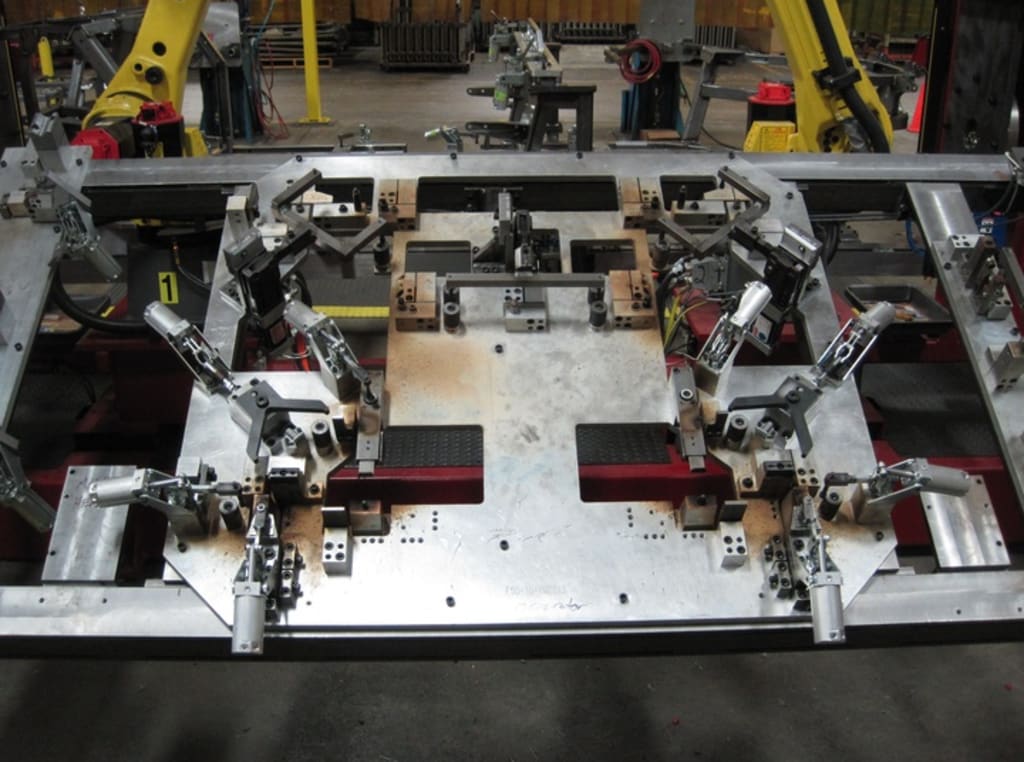
In the world of manufacturing and production, accuracy, repeatability, and efficiency are crucial factors for ensuring high-quality products. One of the key tools that help achieve these objectives is assembly fixtures. These fixtures play a significant role in various industries, from automotive and aerospace to electronics and consumer goods. They serve as support tools that position, hold, and align components during assembly, ensuring consistency and precision.
This article explores the importance, types, design considerations, applications, and benefits of assembly fixtures, shedding light on how they contribute to seamless production processes.
What Are Assembly Fixtures?
Assembly fixtures are specialized tools or devices designed to hold and position components securely during the assembly process. They prevent movement or misalignment, enabling workers and automated machines to assemble products accurately and efficiently. These fixtures are custom-built to meet the specific requirements of different manufacturing operations.
Fixtures can be used manually or with automated systems, and they are often designed with ergonomic considerations to improve operator comfort and efficiency. With advancements in technology, modern assembly fixtures are now integrated with smart sensors and automation to enhance their functionality.
Importance of Assembly Fixtures in Manufacturing
Assembly fixtures play a pivotal role in manufacturing by ensuring:
Precision and Consistency – They eliminate errors caused by misalignment, reducing product defects.
Increased Production Speed – By securely holding components, assembly fixtures minimize repositioning time, thus speeding up the process.
Reduced Operator Fatigue – Ergonomically designed fixtures make it easier for workers to assemble products efficiently without excessive strain.
Cost Savings – Reduction in errors, rework, and waste translates to lower production costs.
Better Safety – Fixtures minimize the risk of workplace injuries by securing parts in place, preventing accidents.
Types of Assembly Fixtures
There are various types of assembly fixtures, each designed to cater to specific manufacturing requirements. Some of the most common types include:
Manual Fixtures – These are simple, cost-effective fixtures that require human intervention for positioning and clamping components. They are commonly used in small-scale production.
Pneumatic and Hydraulic Fixtures – These fixtures use air (pneumatic) or liquid (hydraulic) pressure to clamp and hold parts securely. They are ideal for high-speed production lines.
Modular Fixtures – Designed with interchangeable components, modular fixtures allow for flexibility and adaptability in different assembly processes.
Vacuum Fixtures – These fixtures use suction to hold delicate or irregularly shaped components securely in place.
Magnetic Fixtures – Used in metalworking industries, these fixtures use magnetic force to hold ferrous components in position.
Automated Fixtures – Integrated with robotics and sensors, automated fixtures reduce human intervention and enhance precision in complex assembly tasks.
Welding Fixtures – Specifically designed for welding applications, these fixtures ensure proper alignment and positioning of parts for strong and accurate welds.
Key Design Considerations for Assembly Fixtures
Designing an effective assembly fixture requires careful consideration of several factors. These include:
Material Selection – The material of the fixture should be durable and resistant to wear and tear. Common materials include steel, aluminum, and composite materials.
Component Accessibility – The fixture should allow easy access to components for assembly and disassembly.
Adjustability and Flexibility – Fixtures should be designed to accommodate different sizes and shapes of components.
Ergonomics – Ensuring that the fixture is user-friendly and comfortable to operate is essential for worker efficiency.
Tolerance and Precision – The fixture should be designed to maintain tight tolerances to ensure accuracy in assembly.
Maintenance and Durability – A well-designed fixture should require minimal maintenance and have a long service life.
Applications of Assembly Fixtures
Assembly fixtures find applications in various industries, including:
Automotive Industry – Used for assembling car components such as chassis, engines, and transmission systems.
Aerospace Industry – Ensures precise assembly of aircraft components, reducing errors that could lead to safety issues.
Electronics Industry – Helps in assembling circuit boards, connectors, and other electronic components with high accuracy.
Medical Device Manufacturing – Used to assemble surgical instruments, prosthetics, and other critical medical devices.
Consumer Goods Manufacturing – Ensures consistent quality in the production of home appliances, furniture, and electronic gadgets.
Defense and Military Equipment – Facilitates the assembly of weapons, military vehicles, and defense systems with precision.
Benefits of Using Assembly Fixtures
The use of assembly fixtures in manufacturing comes with numerous benefits, such as:
Improved Quality Control – By holding components in place, fixtures reduce errors and variations, resulting in uniform products.
Higher Efficiency and Productivity – Fixtures streamline assembly operations, enabling faster production cycles.
Reduced Scrap and Waste – Accurate positioning minimizes material wastage, contributing to cost savings.
Enhanced Safety for Operators – Fixtures reduce the need for manual handling, decreasing the risk of injuries.
Cost-Effectiveness – Investing in assembly fixtures leads to lower labor costs and fewer rework expenses.
Challenges in Assembly Fixture Implementation
Despite their numerous advantages, implementing assembly fixtures in a manufacturing setup can present some challenges, including
High Initial Investment – Designing and manufacturing custom fixtures can be costly.
Limited Flexibility – Some fixtures are designed for specific tasks and may not be adaptable to other processes.
Maintenance Requirements – Over time, fixtures require upkeep to maintain their precision and functionality.
Training Needs – Workers need to be trained to use advanced fixtures effectively.
Future Trends in Assembly Fixtures
As technology advances, assembly fixtures continue to evolve, incorporating new features to enhance productivity. Some emerging trends include:
Automation and Robotics – Increasing integration with robotic arms and automated systems for higher precision.
Smart Fixtures – Incorporation of sensors and IoT (Internet of Things) for real-time monitoring and quality control.
3D Printing for Fixture Design – The use of additive manufacturing to create custom fixtures with complex geometries.
AI and Machine Learning Integration – Predictive analytics to optimize fixture performance and reduce downtime.
Sustainable and Lightweight Materials – Use of eco-friendly and durable materials to improve efficiency and reduce costs.
Conclusion
Assembly fixtures are an indispensable part of modern manufacturing, providing precision, efficiency, and consistency. By selecting the right type of fixture and considering key design factors, manufacturers can improve productivity and product quality while reducing costs and waste. As the industry moves toward automation and smart manufacturing, the future of assembly fixtures looks promising, with innovations that will further streamline production processes and enhance efficiency.
Investing in high-quality assembly fixtures is a strategic decision that can give manufacturers a competitive edge, ensuring they meet market demands while maintaining high standards of quality and safety.
About the Creator
Quote of the Day by Albert Einstein: “Try not to become a man of success, but rather try to become a man of value.”
“Why Albert Einstein’s timeless words still challenge modern ideas of success, purpose, and what truly matters.” Few figures in history have shaped human thought as profoundly as Albert Einstein. Known worldwide for revolutionising physics, Einstein was also a deep thinker on life, ethics, and human purpose. Among his many reflections, one quote continues to resonate across generations and cultures:
By Salaar Jamali7 days ago in Art
Trouble at the Tea Leafing Café
The rain had started right around the time that Annie was buttering her second thick slice of homemade toast for breakfast, and hadn’t paused since. Not that anyone could tell. The windows of the café were fogged over, and with every seat filled with happy customers munching on fresh baked pastries or steaming bowls of the delicious soup of the day, it was hardly surprising. Annie looked around the room, finally taking a moment to breathe after the lunch time rush. Her old life already felt like a bad memory, a part of her history, always, but just that. History.
By Hannah Moore3 days ago in Fiction




Comments
There are no comments for this story
Be the first to respond and start the conversation.