
Art or Influence? Comics' Moral Responsibility
Comic books, those delightful repositories of both visual artistry and narrative ingenuity, have long served as a medium for exploring the profound intricacies of the human experience. However, one must ponder: are there topics best left undiscussed within the colorful confines of such illustrated pages?

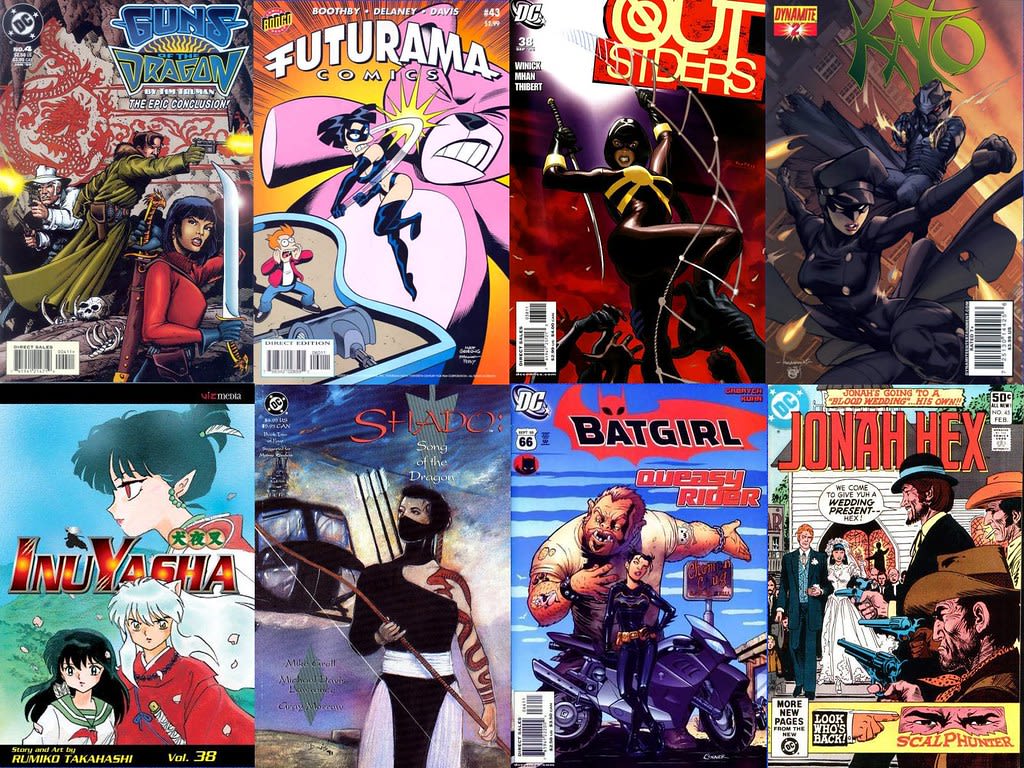
Comic books, those delightful repositories of both visual artistry and narrative ingenuity, have long served as a medium for exploring the profound intricacies of the human experience. However, one must ponder: are there topics best left undiscussed within the colorful confines of such illustrated pages? Indeed, the very premise warrants a meticulous examination.
To begin with, one must consider the delicate balance between entertainment and the propagation of harmful ideologies. There exists a plethora of themes that, when inadequately approached, may inadvertently endorse detrimental stereotypes or harmful behaviors. For instance, the glorification of violence often permeates the narratives, presenting it as a viable solution to conflict. Such portrayals, devoid of nuanced consequences, risk normalizing aggression and desensitizing the audience to its ramifications. A narrative that fails to explore the psychological and societal impacts of violence is tantamount to a scientific experiment conducted without a control group—utterly lacking in empirical rigor.
Equally concerning is the portrayal of mental health. The complexity of psychological disorders is often reduced to mere caricature, stripping individuals of their humanity and reducing them to a set of symptoms. This reductionist approach can perpetuate stigma and misunderstanding, leading to societal misconceptions that hinder the progress of mental health advocacy. While it is undeniable that humor can serve as a coping mechanism, trivializing serious issues within the pages of comic books risks alienating those who struggle with these very realities. A narrative that neglects the depth of human experience and instead offers a superficial treatment of such topics is, quite frankly, an affront to both the medium and its audience.
Now, one might argue that the integration of political themes within comics can serve as a vehicle for social commentary. However, one must tread cautiously in this arena. The risk of oversimplification is ever-present, as complex socio-political issues can be distilled into digestible sound bites. When nuanced discussions are reduced to binary choices, we risk alienating audiences who may hold diverse views. The comic book medium, while capable of addressing such themes, must engage with the intricacies of these issues rather than resorting to reductive dichotomies. A sophisticated narrative approach, akin to a well-structured scientific hypothesis, is essential for fostering a rich dialogue.
Additionally, the exploration of sexuality and gender identity within comic books presents its own set of challenges. While representation is undeniably crucial, the manner in which these topics are addressed must be approached with an acute awareness of the potential implications. Stereotypes and tropes can often overshadow genuine representation, leading to a disservice to those whose stories are being told. It becomes imperative for creators to engage in thorough research and authentic storytelling, lest they inadvertently perpetuate harmful narratives that further marginalize already underrepresented groups.
Let us not overlook the consideration of escapism. Comic books have traditionally served as a sanctuary from the complexities of existence. They provide readers with a delightful escape into fantastical realms, where the laws of physics bend and the impossible becomes possible. However, one must question whether delving into certain themes disrupts this escape. For instance, narratives centered on existential dread or nihilism may encumber readers with an overwhelming sense of despair, contradicting the intended purpose of comic books as a means of respite. The balance between addressing profound existential questions and maintaining the whimsical nature of the medium is a precarious one; a misstep could lead to a disillusioned readership.
In contemplating what topics may be unsuitable for comic book discourse, it is also essential to consider the implications of commercialism. The potential for commodification of sensitive issues, wherein they are exploited for profit without genuine engagement or care, raises ethical concerns. When narratives prioritize marketability over authenticity, the integrity of the medium is compromised. It becomes imperative for creators to uphold a sense of responsibility, ensuring that their work does not merely cater to trends but rather contributes meaningfully to the cultural tapestry.
In summation, the world of comic books possesses boundless potential for exploring the depths of the human condition. Yet, with such potential comes an equal measure of responsibility. The topics selected for exploration must be approached with intellectual rigor, sensitivity, and an awareness of the broader societal implications. The art of storytelling is not merely about entertainment; it is an opportunity to foster understanding, empathy, and connection among diverse audiences. A conscientious approach to the narratives crafted within these pages can elevate the medium, transforming it into a powerful tool for discourse and reflection. As we navigate the colorful cosmos of comic book storytelling, let us endeavor to engage thoughtfully with the complexities of existence while remaining ever-mindful of the impact our narratives wield.
About the Creator
Sally Keegan
As a proud Native of Guatemala, I bring a unique perspective and cultural richness to all that I do. If you're looking for a book recommendation or the latest on your favorite comic series, I'm your person.
Keep reading
More stories from Sally Keegan and writers in Art and other communities.
What the sense of comicbooks nowadays?
Comic books, the esteemed medium that amalgamates visual artistry and narrative ingenuity, serve a multifaceted purpose in contemporary society, akin to a quasar illuminating the vast expanse of the cosmos. One may ponder the essence of this art form and its relevance to the cultural zeitgeist. Is it mere entertainment? A form of escapism? Or perhaps a profound commentary on the human condition? The inquiry invites a rigorous examination of the myriad dimensions that comic books encapsulate.
By Sally Keeganabout a year ago in Art
'Till Death We Do Art
There would be nothing divine in this world without art. Nature may surpass the divine to all intents and purposes, but like everything it absorbs and is absorbed by, it remains here, stuck on the surface of this world, ever-present, physically bound to the universe.
By Avocado Nunzella BSc (Psych) -- M.A.P 17 days ago in Art
Unofficial Challenge: Black History Celebration
Forward: February 28th, 10:53 PM, EST... The final hour of Black History Month, 2026. Hello fellow writers. I've had this challenge waiting in my drafts for most of the month. But I held off on publishing it, until now.
By Sam Spinelli5 days ago in Writers




Comments