
"Arroz con Pollo: A Culinary Journey Through Heritage and Heart"
"From Abuela’s Kitchen to Your Table—The Story Behind a Beloved Family Dish"
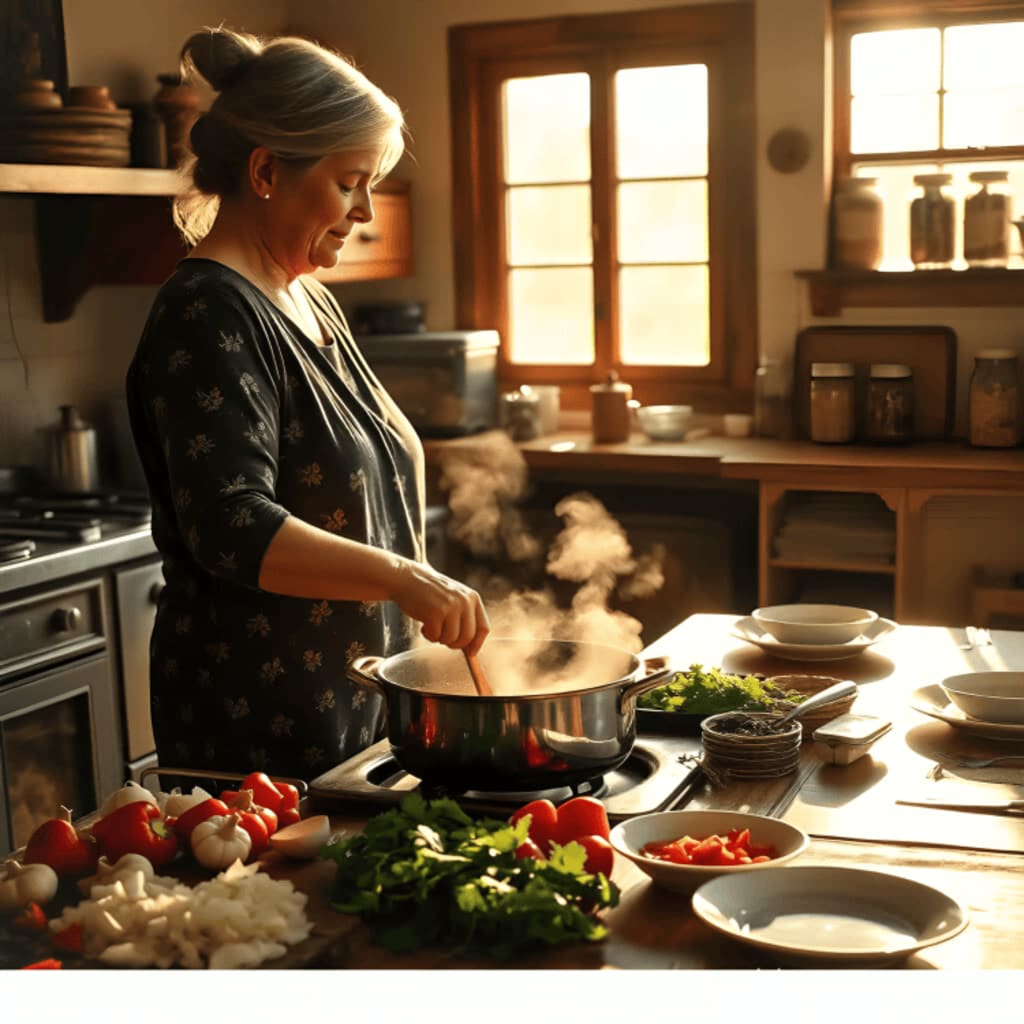
Arroz Con Pollo: A Dish That Weaves Generations Together
Food is not just fuel, but also a medium for memory, culture and love. To me, one dish perfectly represents these notions: arroz con pollo, or chicken with rice. It’s not just a meal — it’s something woven into my family’s narrative, a thread that binds generations across hemispheres and centuries.
The Roots of Arroz con Pollo
To really get a sense of how important arroz con pollo has been in my life, we need to take a step back and discuss where the dish started. This simple yet bright dish has deep roots in Latin American cuisine, especially in Puerto Rican homes like mine. Its apparent simplicity belies its complexity: a symphony of flavors and textures representing centuries of cultural exchange and adaptation.
The keeper of our culinary traditions was my grandmother, Abuela Rosa. She grew up on a small farm in rural Puerto Rico in the 1930s, where meals were simple but savored deeply, crafted from ingredients growing just outside the door. Her mother had shown her how to cook, with recipes handed down orally and without exact measurements — just intuition and heart. Those flavors came with Abuela — like treasures stashed in her suitcase — when she emigrated to New York City in the 1950s during the Great Migration.
Her signature dish was arroz con pollo. Every Sunday after church, she would make it, filling the apartment with the heady scents of sautéed onions, garlic and sofrito — a fragrant mix of peppers, cilantro and spices that serves as the backbone of so many Latin American dishes. The table would sag with food: platters of golden rice studded with tender pieces of chicken, glistening olives and vibrant red bell peppers. Family would sit around, laughing, telling stories and enjoying every morsel.
For us, arroz con pollo wasn’t only dinner — it was communion. It was a reminder of who we are, where we come from and what connects us.
A Childhood Memory
As a child, I didn’t appreciate the importance of this dish. To me, it was just “Sunday lunch,” something that materialized at the table after a few torturous hours of obscure banging around in the kitchen. But there was one instance when its meaning crystallized for me.
I must have been around eight years old. My parents had brought me to see Abuela Rosa in her little Queens apartment. As always, she was busy in the kitchen, humming gently to herself as she chopped vegetables. I walked over, curious, and asked if I could help. She smiled and wove her way around European porcelain as she handed me a wooden spoon and directed me to stir the sofrito bubbling away in olive oil.
“You see this?” she said, gesturing to the pot. “This is the heart of the dish. Without that, everything else is sort of nonexistent.”
Her words stayed with me. The way she turned simple ingredients into something magical was almost alchemical. And when we finally sat down to eat, surrounded by cousins and uncles, I understood that this was more than just a way to feed people — it was a way to bring them closer. Every grain of rice was her story, her strength, her joy.
Abuela Rosa would share stories from her childhood in Puerto Rico and tell me about her life on the farm. She recalled rising early to feed the chickens, picking fresh herbs from the garden and helping her mother prepare meals for her family. These stories always seemed to come back around to arroz con pollo. “It’s a meal that brings everyone together,” she’d say. “Through all of the world, no matter how difficult things were, this was something we always had.”
Even now, decades and miles later, her voice echoes in my head every time I make that dish. It’s like standing next to her, telling my hands what to do and whispering, ‘That’s right, keep going.’
Why Arroz con Pollo Matters
Over the years, I have come to understand why arroz con pollo is so powerful. Its origins are centuries-old, blending Spanish, African and Indigenous influences — a reflection of Puerto Rico’s complex colonial history. They also had achiote, or annatto, which they use, along with Taino gastronomy, for the yellow color of the rice. Capers and olives are included as a Spanish and Moorish influence; the sofrito suggests some of the African genius that is part of Caribbean cooking.
But arrozo con pollo is more than layers of history; it’s intensely personal. It reminds me of Abuela Rosa’s warmth, her laughter, her unwavering strength. And this dish became my way of remembering her after she died. When I do make it, I feel her by my side, pushing me and cheering me in the process.
Making arroz con pollo is also inherently comforting. From browning the chicken to simmering the sofrito, patience and care are needed at each step. Don’t try to rush things — folks: flavor development needs time; it deepens, intensifies. In a world that often feels chaotic and so fulsomely temporized, this measured pace is centering. It makes you slow down, focus, be in the moment.
And then there’s the sharing of the dish itself. Whether at a holiday gathering, a casual weeknight dinner or even a solo meal on a quiet evening, arroz con pollo has a way of bringing connection. It invites talk, laughter and stories. It makes room for memories to be made, for connections to deepen.
The Recipe: Arroz con Pollo
Here’s how to make this iconic dish yourself. Although the recipe may sound long, don’t be intimidated — it’s meant to be flexible and forgiving, like Abuela Rosa herself.
Ingredients
4 lbs chicken pieces (I prefer thighs and drumsticks), skin on
Kosher salt and freshly ground black pepper, to taste
2 tbsp vegetable oil
1 large onion, finely chopped
1 green bell pepper, cored and chopped
1 red bell pepper, seeded and chopped
4 cloves garlic, minced
1 cup tomato sauce
Lemon wedges, for serving Read at least one recipe forward in order to get the ingredients for this one. 1/4 cup sofrito (store-bought or homemade*)
1 tsp ground cumin
1 tsp dried oregano
1/2 tsp smoked paprika
1 packet sazón seasoning (achiote)
2 cups long-grain white rice
4 cups chicken broth
1/2 cup pimiento-stuffed green olives
2 tbsp capers
Fresh cilantro, chopped (for garnish)
*Home-made sofrito: In a blender, combine(smooth) 1 bunch cilantro, 1 onion, 1 green bell pepper and 4 garlic cloves, 1 tbsp olive oil.
Instructions
Make the Chicken: Generously season the chicken with salt and pepper. In a wide, heavy-bottomed pot, heat the vegetable oil over medium-high flame. Sear the chicken pieces all over, in batches if necessary, so you don’t crowd the pan. Remove the chicken and reserve.
Chop And Sauté The Vegetables: Add the chopped onion, green bell pepper and red bell pepper in the same pot. Cook, stirring a few times, until softened, about 5 minutes. Add the garlic and cook for 1 more minute, being careful not to burn.
Build the Flavor Base: Add the tomato sauce, sofrito, cumin, oregano, smoked paprika and sazón seasoning. Simmer for 2–3 minutes for the flavors to meld.
Add Rice and Broth: Add the rice, stirring well to coat to the sofrito mixture. After 2–3 minutes, stir in the chicken broth. The scraping off of any browned bits stuck to the bottom of the pot and adding the liquid to the pot and bring to a boil.
Simmer and Finish: Return the chicken pieces to the pot, nestling them into the rice. Scatter the olives and the capers over them. Reduce the heat to low, cover the pot, and cook undisturbed for 25 to 30 minutes, or until rice is tender and liquid is absorbed.
Garnish and serve: Off the heat, cover the pot and allow to rest for 5 minutes. Fluff the rice gently with a fork, then garnish with fresh cilantro and serve hot.
Tips for Success
Pick the Right Rice: Long-grain white rice is best, as it absorbs liquid evenly and won’t clump together. Avoid short-grain varieties, which may have a tendency to become sticky.
Don’t Skip the Browning Step: Browning the chicken might feel like an unnecessary step, but the building of the caramelized bits at the bottom of the pot adds complex flavor and richness to the finished dish. It’s worth the extra effort!
Adjust Seasonings to Taste: You can add cayenne pepper or jalapeño to the sofrito if you like it spicy.
Make It Yours: Arroz con pollo is remarkably yielding. You can (and should) replace the vegetables, herbs or proteins with whatever you have on hand.
The Legacy Lives On
Whenever I make arroz con pollo, I think of Abuela Rosa. I see her at the stove, hands moving as if they had been trained for decades, her smile lighting the space. This dish is her gift to me — a tangible link to my roots and a reminder of the values she instilled: resilience, generosity, love.
When I make this meal with friends or teach it to someone, I’m not just sharing a recipe. I’m telling a piece of my soul, my history, the legacy of my identity.” And maybe, in doing so, I’m insuring that Abuela Rosa’s legacy will nourish generations to eat — not only in the way of food, but also in the stories and connections it inspires.
So why not try making arroz con pollo yourself? “Find the flavor layers, you know? All the textures, all of that, and use that to guide you somewhere.” Who knows? Maybe someday, you will give this dish to someone else, adding to more memories, more connections. Because that’s the actual magic of food — there’s never really an end. And it has gotten richer every year.
Reflections on Food and how it shapes Identities
In considering the place that arroz con pollo had in my life, I am reminded of the more general role food plays in identity formation. Food is not just fuel — it’s ritual, it’s a symbol, it’s a sign that you belong. Here our words inherit the legacy of ancestors, resonate from distant shores and carry the whisper of time’s progression.
For many immigrants and their descendants, food is a bridge between worlds. It allows us to remember the places we leave behind as we adjust to new ones. Arroz con pollo for me spans both my Puerto Rican culture and my American upbringing. It encapsulates the duality of my being — the tension and harmony of two cultures.”
Moreover, if food helps in bridging communication gaps and develops better understanding, then it is definitely a powerful tool. To eat together is to be vulnerable and trust one another, an act that says, “This is who I am. Will you join me?” In this way, we invite people into our homes, sharing a glimpse into the depths of our souls through food.
Conclusion
Arroz con pollo is more than a dish — it is a tribute to the sustaining strength of tradition, memory and love. It connects me to my grandmother and to my ancestors, to my culture. It provides me with patience, gratitude and fellowship. But more than anything, it’s a reminder that food is never only about what’s on the plate — it’s about the stories we tell, the relationships we nurture, the legacies we leave behind.
If you take one thing away from this story, let it be this: Value the foods that matter to you. Know their histories, honor their makers, distribute them freely. Because in doing so, you are preserving not just recipes — you’re preserving humanity itself.
About the Creator
Abdur Raffay
Abdur Raffay is a versatile content writer with 3+ years of experience in Article Writing, blogging and proofreading, helping businesses craft compelling content that resonates with audiences and boosts their online presence.
Keep reading
More stories from Abdur Raffay and writers in Art and other communities.
“What People Actually Need in a Relationship (And It’s Not Love), Says Psychologist”
Psychologist on What People Really Want (It’s Not Love) And whenever anyone speaks of relationships, the next thought is always love. After all, love is the foundation of most romantic relationships. But psychologists say love alone is insufficient for a healthy, fulfilling relationship. So what do people want the most in a relationship? The answer, which may shock you, is emotional security.
By Abdur Raffayabout a year ago in Families
'Till Death We Do Art
There would be nothing divine in this world without art. Nature may surpass the divine to all intents and purposes, but like everything it absorbs and is absorbed by, it remains here, stuck on the surface of this world, ever-present, physically bound to the universe.
By Avocado Nunzella BSc (Psych) -- M.A.P 26 days ago in Art
Modern Wall Decor Ideas with Bathroom Wallpaper and Kitchen Wallpaper
Creating Beautiful Interiors with Wall Decor A well-designed home begins with thoughtful wall decor choices that reflect both style and personality. Walls are often the largest surfaces in any room, so the way they are decorated has a major impact on the overall atmosphere of a space. From minimalist textures to bold decorative patterns, modern wall design has evolved into an important part of interior styling. By choosing decorative elements that complement furniture, lighting, and color palettes, homeowners can create a balanced and inviting environment that feels both comfortable and visually appealing.
By Wallanza Wallpapera day ago in Art




Comments
There are no comments for this story
Be the first to respond and start the conversation.