
An article on Africa culture
The beautiful culture of Africa
Africa is a continent with a rich and diverse culture that is steeped in tradition and history. From the vibrant colors and patterns of African textiles to the intricate rhythms of African music, the continent's culture is a feast for the senses.
One of the most striking aspects of African culture is the importance of community. In many African societies, people live in close-knit communities where everyone knows each other and looks out for one another. This sense of community is reflected in everything from the way people greet each other to the way they share resources.
This sense of community is particularly important in rural areas, where people rely on each other for everything from food and water to medical care. In many African villages, people work together to build schools, clinics, and other community facilities. This sense of collaboration is also reflected in the way people celebrate important events like weddings and funerals, which are often attended by the entire community.
Another important aspect of African culture is the role of storytelling. For centuries, African cultures have used storytelling as a way to pass down traditions and history from one generation to the next. Through stories, people learn about their ancestors, their culture, and their place in the world.
Many African stories are steeped in symbolism and are used to teach important lessons. For example, the story of Anansi the Spider is a popular West African folktale that is used to teach children about the importance of cleverness and resourcefulness. Similarly, the story of the Lion King is a popular East African folktale that is used to teach children about the importance of leadership and responsibility.
Music is also an integral part of African culture. From the drumming and dancing of West Africa to the intricate melodies of East Africa, music is used to celebrate, mourn, and communicate. African music is known for its complex rhythms and harmonies, and it has influenced musical styles around the world.
In West Africa, drumming is an important part of traditional music. Drumming is used to communicate with the spirit world, and it is also used to celebrate important events like weddings and funerals. In East Africa, music is often played on stringed instruments like the lyre and the harp. Many African musicians are also known for their powerful voices, which are used to convey emotion and passion.
Art is another important aspect of African culture. From the masks and sculptures of West Africa to the beadwork and textiles of East Africa, African art is known for its bold colors and intricate designs. Many African art forms are steeped in symbolism and are used to communicate.
Art is another important aspect of African culture. From the masks and sculptures of West Africa to the beadwork and textiles of East Africa, African art is known for its bold colors and intricate designs. Many African art forms are steeped in symbolism and are used to communicate important cultural messages.
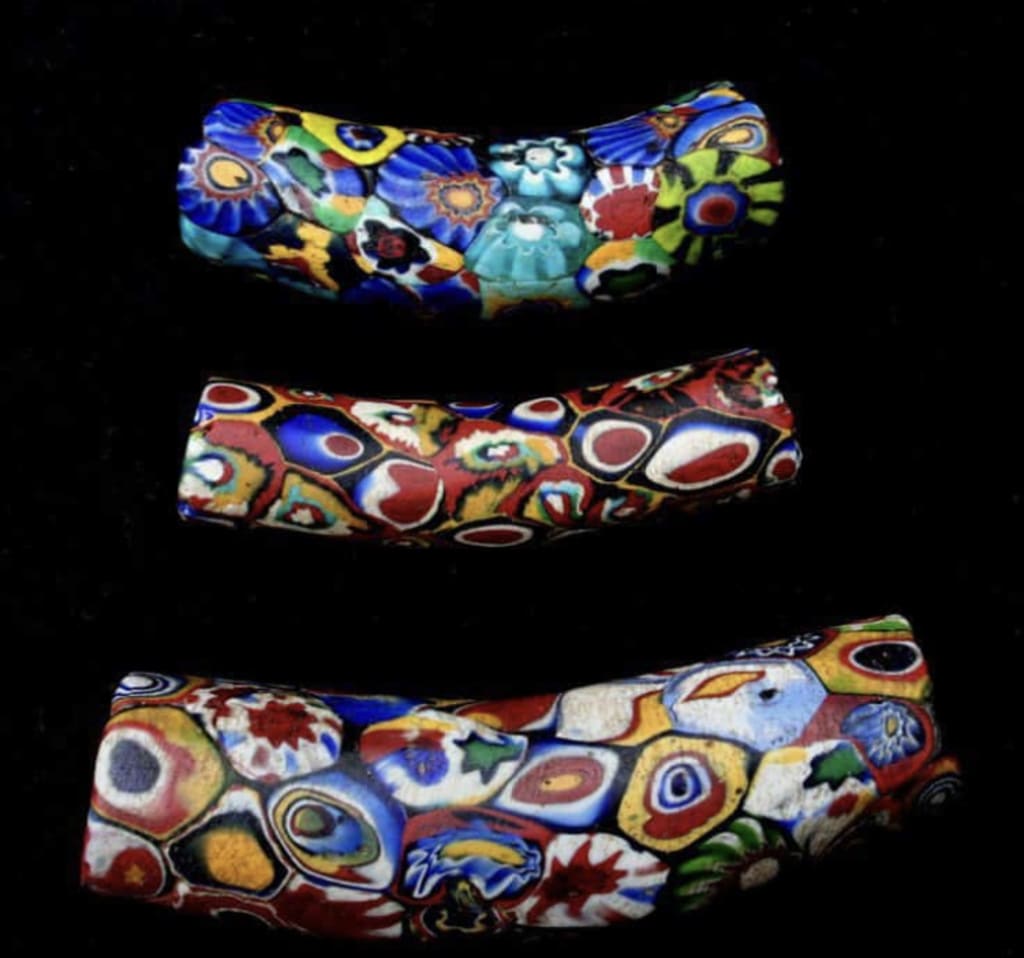
Beads are an important part of African culture and have been used for centuries as a form of currency, adornment, and communication. In many African societies, beads are considered to be a symbol of wealth and status, and they are often used to create intricate patterns and designs in clothing and jewelry. Additionally, the colors and patterns of African beads are often used to convey messages and meanings, with each color and pattern having its own significance.
Finally, food is an important part of African culture. Each region of Africa has its own unique cuisine, but many dishes are based on staples like rice, beans, and vegetables. Spices and herbs are used liberally, and many dishes are cooked slowly over an open flame.
In conclusion, Africa is a continent with a rich and diverse culture that is celebrated around the world. From the importance of community and storytelling to the vibrant music, art, and cuisine, Africa's culture is a testament to the creativity and resilience of its people.
About the Creator
Keep reading
More stories from writers in Art and other communities.
'Till Death We Do Art
There would be nothing divine in this world without art. Nature may surpass the divine to all intents and purposes, but like everything it absorbs and is absorbed by, it remains here, stuck on the surface of this world, ever-present, physically bound to the universe.
By Avocado Nunzella BSc (Psych) -- M.A.P 22 days ago in Art
Wander the World
In a not-so-distant future, the world had changed in many ways. Cities floated in the sky, and robots helped people with their daily tasks. Among these wonders lived a curious girl named Elara. She was sixteen years old and always dreamed of exploring the world beyond her floating city called Skyhaven. Elara had long, wavy hair, bright green eyes, and a heart full of adventure. She spent her days in her small room, gazing at the stars through her window, imagining the places she would go.
By Hamad Afridi 5 days ago in Art
TUS NUA - ch 53
TUS NUA – ch 53 New Beginnings – Mia and Midnight (*)(*)(*) Finola knew Ali’s brother-in-law needed to put his mind at rest. She fed her arm through his and led him outside. “We’ll sit here. If you like, I can put a block around us so our conversation will be private.”
By Margaret Brennan2 days ago in Fiction



Comments
There are no comments for this story
Be the first to respond and start the conversation.