
AI in Art: How Machines Are Becoming Creative Artists
Brushing the Digital Canvas: AI's Inspiring Journey into the Artistic World
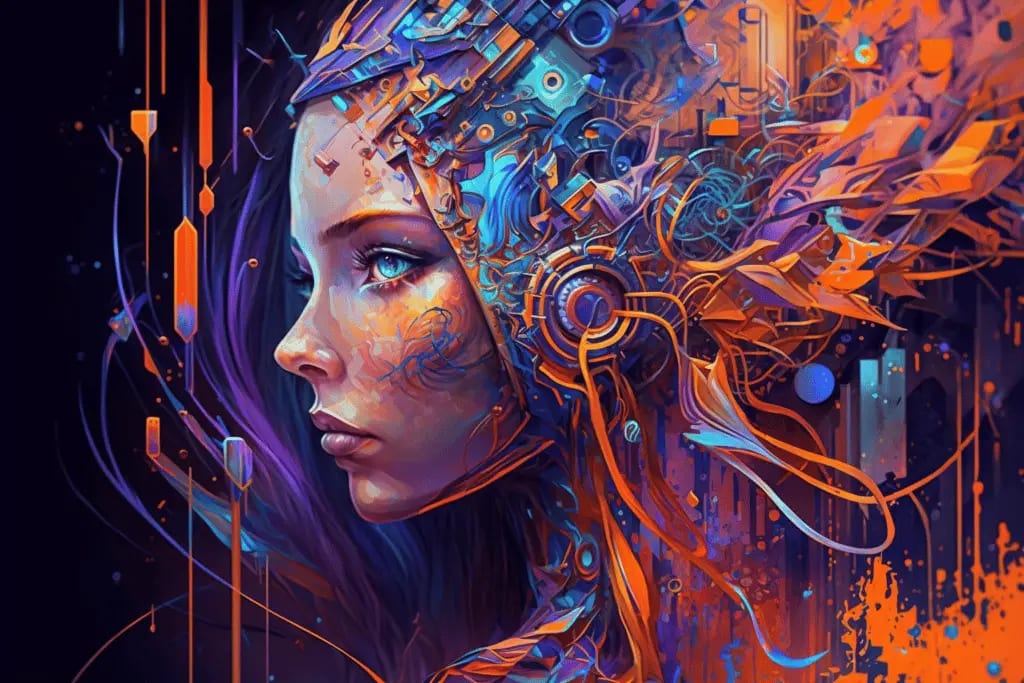
Art has always been a deeply human endeavor, a reflection of our thoughts, emotions, and creativity. However, in the 21st century, we are witnessing a fascinating transformation – the emergence of artificial intelligence (AI) as a creative force in the world of art. It's a realm where algorithms and machines are not just tools but are, in their own right, becoming artists. In this article, we will explore the inspiring evolution of AI in art, featuring real-life examples that highlight the incredible fusion of technology and creativity.
The Intersection of Art and Artificial Intelligence
The relationship between art and technology has a long history, from the advent of photography to the digital art revolution. AI represents the next chapter in this ongoing saga. It brings with it the promise of pushing the boundaries of what is possible in the world of artistic expression.
Generative Adversarial Networks (GANs): The Artists' Assistant
At the heart of AI in art are Generative Adversarial Networks, or GANs. These neural networks consist of two components – a generator and a discriminator – that work in a competitive manner. The generator creates art, while the discriminator evaluates it. Over time, this competitive process results in the creation of increasingly convincing and creative artworks.
Real-Life Example #1: Portrait of Edmond de Belamy
In 2018, the art world witnessed a groundbreaking moment when "Portrait of Edmond de Belamy," an artwork created by an AI algorithm known as a GAN, sold at auction for $432,500. This blurred the line between human and machine artistry, and the work garnered significant attention from artists and technologists alike.
AI's Influence on Traditional Art
AI is not just about creating entirely new forms of art; it is also influencing traditional art forms. Artists are increasingly collaborating with AI systems to enhance their creative process. AI tools can analyze vast datasets of art history, suggesting styles, color palettes, and even compositions to artists. This partnership between human creativity and machine assistance is opening up new avenues for artistic exploration.
Real-Life Example #2: The Next Rembrandt
In 2016, a project known as "The Next Rembrandt" used AI to analyze Rembrandt's paintings and generate a new work in his distinctive style. The result was a stunning portrait that showcased the potential for AI to not only mimic artistic styles but also to produce entirely new creations that pay homage to the great masters.
AI Art Exhibitions and Recognition
AI-generated art is not confined to the digital realm. It is finding its place in galleries and exhibitions around the world. Museums are increasingly featuring AI-generated artworks, and artists who employ AI techniques are gaining recognition in the art world.
AI's Creative Limitations and Controversies
While AI in art is incredibly promising, it also raises questions and challenges. Some argue that AI lacks true creativity, as it relies on patterns and data rather than human emotions and experiences. Additionally, concerns about copyright and the potential for AI to replace human artists have ignited debates within the artistic community.
AI as a Collaborative Tool
Many artists and creators view AI as a tool for collaboration rather than competition. AI can provide artists with new perspectives, inspire unique ideas, and even assist in the creation of complex artworks. This approach allows for a harmonious blend of human creativity and AI capabilities.
The Future of AI in Art
As AI continues to evolve, its role in art will likely expand. Artists and technologists will explore new ways to push the boundaries of creativity, using AI as a source of inspiration and a tool for experimentation. The result may be art that is both deeply human and uniquely enhanced by the capabilities of machines.
Conclusion: The Artistic Odyssey of AI
The integration of AI into the world of art represents a remarkable journey of exploration, experimentation, and inspiration. It is a testament to the boundless potential of human creativity and the capacity of technology to amplify our imaginative horizons.
AI in art is not about replacing human artists; it is about expanding the canvas of artistic expression. It invites us to ponder the nature of creativity itself, blurring the line between artist and machine, and challenging our perceptions of what is possible in the realm of art.
As we navigate this artistic odyssey, let us embrace the evolving relationship between AI and art with open minds and open hearts. The future promises a canvas where human imagination and machine intelligence converge, creating a tapestry of creativity that is richer, more diverse, and more inspiring than ever before.
About the Creator
Moses Ndasule
Gaming and Technological advancement
Keep reading
More stories from Moses Ndasule and writers in Art and other communities.
The Evolution of Wearable Tech: From Fitness Bands to Smart Glasses
In the age of digital innovation, technology has transcended our desktops and smartphones to become an integral part of our daily lives—literally. Wearable technology, often referred to as "wearables," has witnessed a remarkable journey, evolving from simple fitness trackers to sophisticated smart glasses. This article explores the inspiring evolution of wearable tech, highlighting real-life examples that showcase its transformative power.
By Moses Ndasule2 years ago in Lifehack
“What If It Happens?”
Monday, 11 April 2022 Ishrat Jahan One of our friends, Mr. Farooq, is a middle-aged man, yet he has still not been able to free himself from his deeply suspicious and fearful nature. These days, I happened to have some free time, so I thought it would be a good idea to meet him and try to untangle the puzzle of his constant worries. By coincidence, he himself arrived at my humble home, jolting along in a rickshaw.
By Sudais Zakwan3 days ago in Art
Introduction to Organic Solutions
In the realm of fitness, the role of nutrition cannot be overstated, and organic supplements are increasingly recognised as essential components of a well-rounded training regime. Unlike their synthetic counterparts, organic supplements are derived from natural sources, ensuring that fitness trainers can provide their clients with products that are free from harmful additives and chemicals. This not only promotes better health but also supports the body’s natural processes, thereby enhancing overall performance and recovery.
By Organic Products 7 days ago in Art


Comments
There are no comments for this story
Be the first to respond and start the conversation.