
Accelerating the Electric Revolution
Accelerating Towards a Sustainable Tomorrow

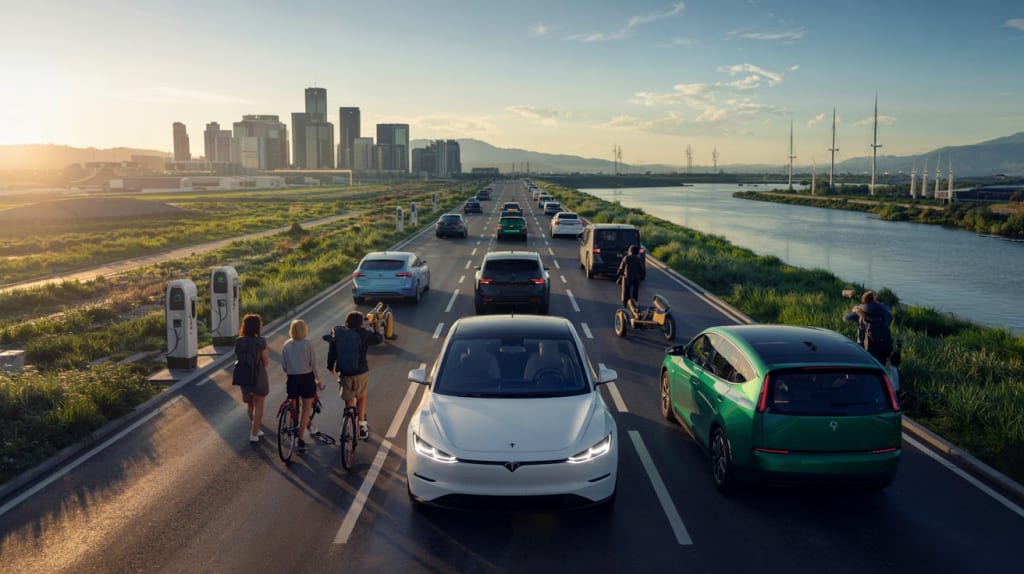
The Future of Transportation: Electric Vehicles
The transportation sector is on the cusp of a revolution, and electric vehicles (EVs) are leading the charge. With growing concerns about climate change, air pollution, and energy sustainability, EVs have emerged as a promising solution. In this article, we'll explore the future of transportation, the benefits of electric vehicles, and the challenges that lie ahead.
The Rise of Electric Vehicles
Electric vehicles have come a long way since their inception. Today, they offer a viable alternative to traditional internal combustion engine vehicles. With advancements in battery technology, EVs have become more efficient, affordable, and environmentally friendly. Many countries are incentivizing the adoption of EVs, and major automakers are investing heavily in electric vehicle technology.
Benefits of Electric Vehicles
Electric vehicles offer numerous benefits, including:
Zero Emissions: EVs produce no tailpipe emissions, reducing greenhouse gas emissions and air pollution.
Lower Operating Costs: EVs have lower operating costs, as electricity is generally cheaper than gasoline.
Improved Performance: EVs have excellent acceleration and a smoother ride.
Reduced Dependence on Fossil Fuels: EVs can be powered by renewable energy sources, reducing our reliance on fossil fuels.
Challenges and Limitations
While electric vehicles offer many benefits, there are still challenges to overcome:
Range Anxiety: Limited range and charging infrastructure can make long trips more difficult.
Higher Upfront Costs: EVs are often more expensive than traditional vehicles, although costs are decreasing.
Charging Infrastructure: Widespread adoption of EVs will require significant investment in charging infrastructure.
The Future of Transportation
The future of transportation is likely to be shaped by electric vehicles, autonomous technology, and shared mobility. As EVs become more affordable and convenient, they will play an increasingly important role in reducing emissions and improving air quality. Autonomous technology will enhance safety and efficiency, while shared mobility will provide new transportation options.
Government Incentives and Policies
Governments around the world are implementing policies to encourage the adoption of electric vehicles:
Tax Credits: Many countries offer tax credits or rebates for purchasing electric vehicles.
Investment in Charging Infrastructure: Governments are investing in charging infrastructure to support widespread adoption.
Emissions Regulations: Stricter emissions regulations are driving the development of electric vehicles.
Conclusion
The future of transportation is electric, and it's arriving faster than you think. With their numerous benefits, electric vehicles are poised to revolutionize the way we travel. While challenges remain, governments, automakers, and consumers are working together to overcome them. As we move towards a more sustainable transportation system, electric vehicles will play a vital role in reducing emissions and improving air quality.
What's Next?
As the electric vehicle market continues to grow, we can expect to see new innovations and advancements. Some potential developments include:
Solid-State Batteries: Solid-state batteries could offer improved range and charging times.
Autonomous Electric Vehicles: Autonomous technology could enhance the efficiency and safety of electric vehicles.
Increased Investment: Expect increased investment in charging infrastructure and electric vehicle technology.
The future of transportation is exciting, and electric vehicles are leading the way. As we continue to innovate and improve, we'll create a more sustainable, efficient, and environmentally friendly transportation system for generations to come. Electric Vehicle Benefits
Environmental Benefits: EVs produce zero tailpipe emissions, reducing greenhouse gas emissions and air pollution.
Lower Operating Costs: EVs have lower operating costs, as electricity is generally cheaper than gasoline.
Improved Performance: EVs have excellent acceleration and a smoother ride.
Reduced Dependence on Fossil Fuels: EVs can be powered by renewable energy sources, reducing our reliance on fossil fuels.
Electric Vehicle Challenges
Range Anxiety: Limited range and charging infrastructure can make long trips more difficult.
Higher Upfront Costs: EVs are often more expensive than traditional vehicles, although costs are decreasing.
Charging Infrastructure: Widespread adoption of EVs will require significant investment in charging infrastructure.
Battery Durability: Concerns about battery durability and lifespan.
Electric Vehicle Technology
Battery Technology: Advancements in battery technology have improved range and efficiency.
Electric Motors: Electric motors are more efficient and require less maintenance than traditional engines.
Charging Systems: Fast-charging systems can charge EVs to 80% in under 30 minutes.
Electric Vehicle Market
Growing Demand: Demand for EVs is growing rapidly, driven by government incentives and declining battery costs.
Increasing Investment: Automakers and governments are investing heavily in EV technology and infrastructure.
Expanding Model Options: More automakers are offering EV models, increasing options for consumers.
Electric Vehicle Policy
Government Incentives: Governments offer incentives, such as tax credits and rebates, to encourage EV adoption.
Emissions Regulations: Stricter emissions regulations are driving the development of EVs.
Investment in Charging Infrastructure: Governments are investing in charging infrastructure to support widespread adoption.
Electric Vehicle Future
Increased Adoption: EVs are expected to become increasingly popular, with some predictions suggesting they will dominate the market by 2040.
Advancements in Technology: Expect continued advancements in battery technology, charging systems, and other areas.
Growing Importance of Sustainability: EVs will play a key role in reducing emissions and improving air quality.
About the Creator
Keep reading
More stories from Fahad khan and writers in Art and other communities.
The Power of Voice
The Power of Voice The human voice is a remarkable instrument, capable of conveying emotions, expressing thoughts, and connecting with others on a profound level. From the softest whisper to the loudest declaration, our voices have the power to inspire, to heal, and to transform. In this article, we'll explore the significance of the human voice, its impact on our lives, and the ways in which we can harness its power.
By Fahad khan10 months ago in Motivation
How to Build a Profitable Online Business From Scratch
Building a profitable online business from scratch is no longer reserved for tech experts or Silicon Valley insiders. With the right strategy, tools, and mindset, anyone with a solid idea and the willingness to learn can create a sustainable source of income online. The digital economy has lowered the barrier to entry, allowing entrepreneurs to reach global audiences, test ideas quickly, and scale faster than ever before.
By Ayush Bagwariabout 7 hours ago in Art



Comments
There are no comments for this story
Be the first to respond and start the conversation.