
A Tale of Loss, Resilience, and Family Bonds in a Small Village
A Tale of Loss, Resilience, and Family Bonds in a Small Village

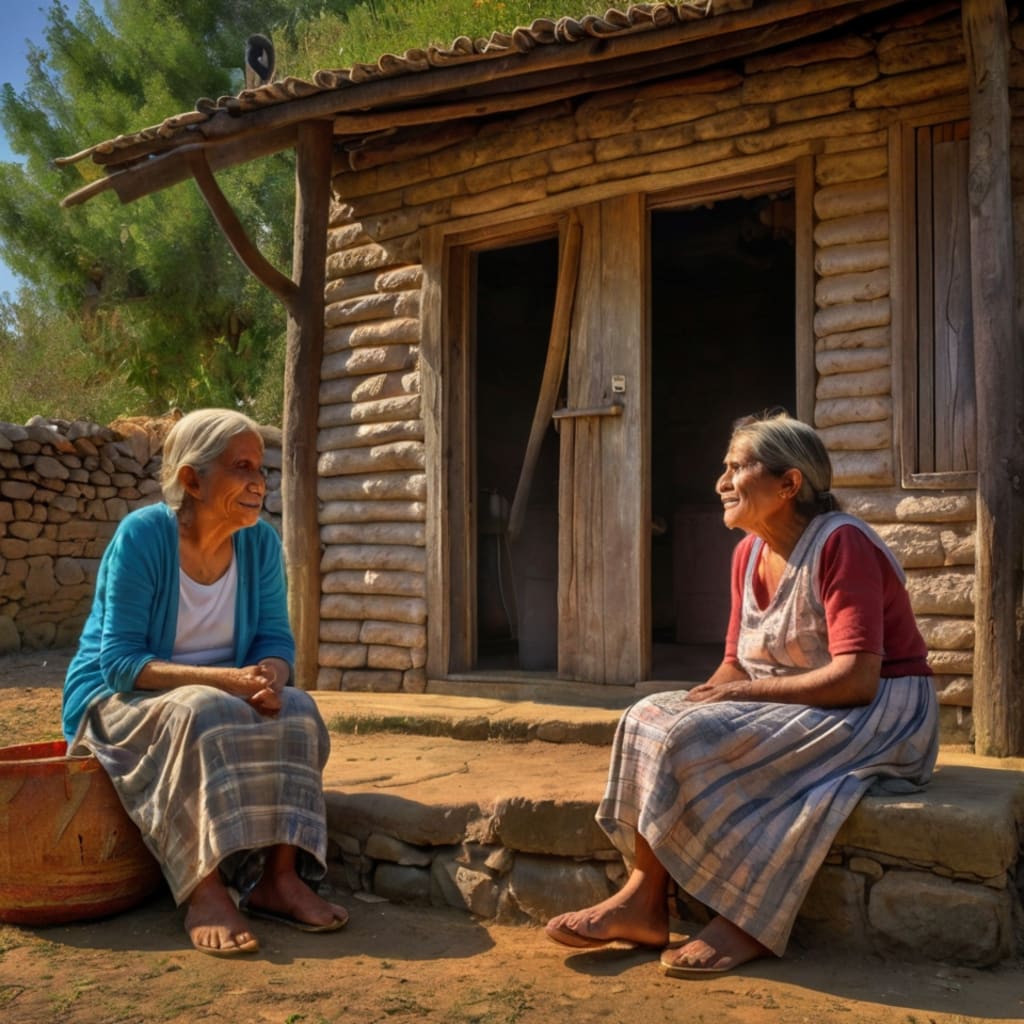
A Tale of Loss, Resilience, and Family Bonds in a Small Village
BY:Khan
Sheikh Shaheen Sahbai, Mumtaz Bibi, and Amir Khan lived a simple yet content life with their three children—Shabbir, Mubeen, and their daughter Saadia—in a small two-room house in a quaint village. Though the village lacked many material luxuries, it was rich in human connections and relationships, something the family deeply cherished. Shabbir, the elder son, worked in the city, while Mubeen, the younger son, served as a conductor on a local village bus. Saadia, their only daughter, was a bright student in the seventh grade.
Mumtaz Bibi had a sister living nearby, as well as a brother who lived in close proximity, though their relationship with him was strained. Life flowed smoothly until Mumtaz Bibi began to fall ill. Her health deteriorated gradually; she complained of frequent pains in her head and abdomen. The family tried various remedies suggested by neighbors and relatives, but nothing seemed to help. Young Saadia, witnessing her mother’s suffering, grew increasingly anxious and distressed.
Tragedy struck again before they could find relief. One day, Mubeen had a terrible accident and fell from the bus. He was rushed to the hospital immediately. Thankfully, the village elders, including the Chaudhrys for whom Mubeen worked, covered the medical expenses. Despite intensive care, Mubeen remained unconscious for three days. Eventually, he passed away, leaving his mother and sister devastated.
The dual blow of her son’s death and her prolonged illness shattered Mumtaz Bibi. She grew weaker each day, and the sorrow became too heavy for her to bear. Eventually, she too departed from this world, leaving Amir Khan and Saadia engulfed in grief. Amir Khan, heartbroken and subdued, lost the will to speak, and his strength seemed to fade along with the loss of his family.
As time passed, Ramadan arrived. Saadia, still a child, struggled to manage the household tasks alone. She relied on neighbors to help with meals, but it was a temporary solution. Amir Khan, still mourning the loss of his wife and son, could offer little support. Soon, Mumtaz Bibi’s memorial ceremonies concluded, and Amir Khan also succumbed to his sorrow, leaving Saadia and Shabbir to face the world alone.
Seeing their plight, Saadia’s maternal aunt, who lived nearby, decided it was time to secure a future for Shabbir. She believed that marriage would not only provide him a companion but also help Saadia find comfort in the household. They began searching for a suitable match. During this process, Shabbir mentioned that before Mumtaz Bibi fell ill, she had already shown interest in a particular woman for him. Shabbir insisted that he wanted to marry in the very house and family his mother had chosen, honoring her wishes.
The elders contacted the family, and the proposal was accepted. Preparations for the wedding began, and soon Shabbir married Ayesha. Her arrival brought warmth and liveliness back into the house. Saadia felt reassured with her brother and new sister-in-law around, and Shabbir, though still carrying memories of his family, felt a sense of stability return to his life.
Meanwhile, Saadia’s uncle, who had previously sought her hand for his son, faced rejection from Shabbir. Shabbir explained, “Our parents never got along with you in their lifetime; how can I now marry my sister to your family?” Hurt by this, the uncle and his family severed ties with them. Life had taught Shabbir and Saadia that sorrow and hardship could turn even close relatives into strangers.
Tragedy struck yet again when their aunt, who had been their only support after their parents’ passing, fell seriously ill. She was admitted to a major city hospital but could not recover and eventually passed away. Saadia and Shabbir were left utterly alone, facing fresh waves of grief.
Time, however, proved to be a healer. Slowly, life began to settle, and Shabbir and Saadia started rebuilding their lives. Eventually, Saadia’s maternal uncle proposed her marriage to his son. This time, Shabbir consented, and an engagement was arranged. Saadia, along with her brother and sister-in-law Ayesha, moved to the city where Shabbir worked.
Ayesha proved to be a loving and caring sister-in-law, teaching Saadia household skills and ensuring she felt part of the family. Life in the city brought new routines and a sense of stability. Whenever Shabbir got a day off from work, he would bring Saadia and Ayesha back to the village, revisiting the memories of their parents and beloved brother. Though they could never forget their losses, the companionship of each other provided comfort and strength.
Despite the immense hardships they had faced—illness, loss of loved ones, and repeated grief—Shabbir and Saadia never let despair dominate their lives. With patience, resilience, and mutual support, they gradually found happiness once again. The family learned that even after the most devastating storms, life could offer a second chance at joy and peace.
In the end, Shabbir, Saadia, and Ayesha’s lives, though marked by pain and sorrow, blossomed with hope, teaching them that enduring love, family bonds, and patience can help one navigate the harshest trials of life.
About the Creator
21 Freelancing Tips to Build a Successful Career (From Someone Who Actually Did It)
TL;DR version (60 seconds read time) + Paypal receipt at the end of the blog. I’ve made thousands of dollars with freelancing. See screenshots at the end of the post. Everything I say to you, I’ve tested it first on myself.
By Dena Falken Esqabout 13 hours ago in Art
Wild Card Weekend Recap: What Happens Now?
I think I figured out why I love Wild Card Weekend so much. It's because it's the first playoff anything of the calendar year. The NFL season starts in the fall, and once upon a time, the champion was crowned either on or slightly before New Year's. The evolution of the NFL schedule has resulted in the playoffs starting just into the New Year, and currently, the final week of the season falls on the first weekend of the New Year, with Wild Card Weekend coming a week after that. So yes, chronologically, the NFL's Wild Card Weekend serves as the first playoff anything of the calendar year.
By Clyde E. Dawkins7 days ago in Unbalanced



Comments
There are no comments for this story
Be the first to respond and start the conversation.