
A History of Art in 7 Colours
The Cultural and Emotional Significance of Colours in Art History


Throughout human history, colours have played a vital role in artistic expression, conveying emotions, ideas, and cultural values. Different colours have emerged as symbols of specific eras and styles, influencing how art has evolved. Let’s explore the history of art through seven defining colours and their impact on artistic traditions worldwide.
Red: The Colour of Passion and Power
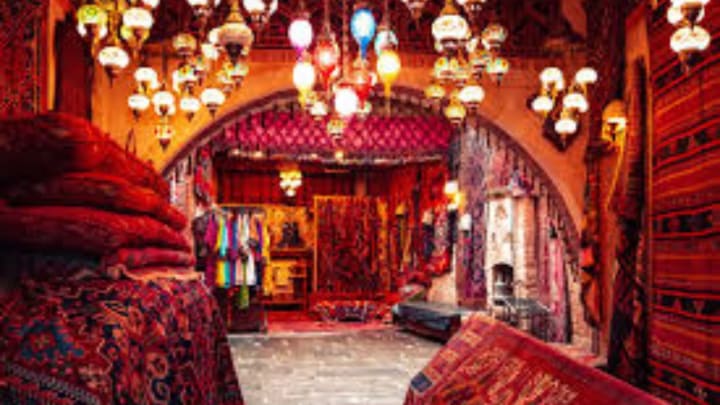
Red is one of the oldest colours in the history of art, symbolizing passion, power, and vitality. From prehistoric cave paintings to ancient Egyptian murals, red has been used to represent life, blood, and strength. In Renaissance art, it was often associated with religious icons, particularly in depictions of martyrs and saints. Artists like Titian used rich red hues to create bold, dramatic compositions, infusing their works with emotion and energy.
Blue: The Colour of Tranquility and Divinity
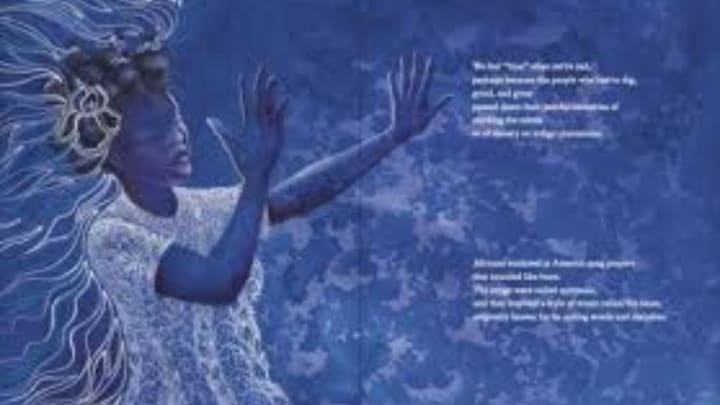
The use of blue in art has deep spiritual significance. In ancient Egypt, blue was considered the colour of the heavens and was often associated with gods. During the Middle Ages, the pigment ultramarine, made from lapis lazuli, was more valuable than gold and was reserved for sacred paintings, especially for the robes of the Virgin Mary in Christian art. In the 20th century, Picasso’s "Blue Period" captured the melancholic tone of post-war Europe, with cool blue tones evoking sadness and solitude.
Yellow: The Colour of Joy and Enlightenment
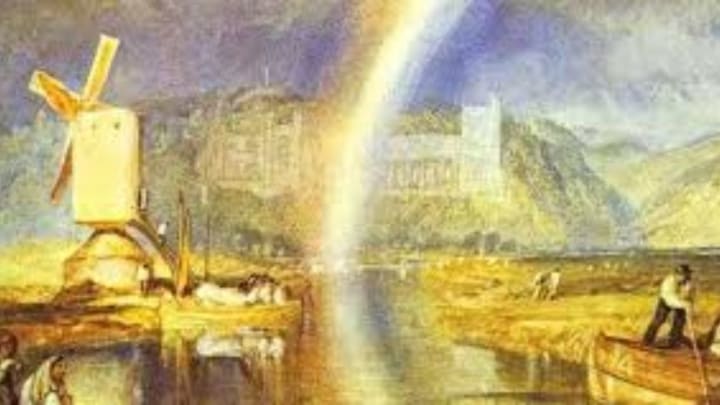
Yellow has long symbolized light, warmth, and enlightenment. In ancient China, yellow was the colour of the emperor and represented authority and prosperity. Impressionists, like Van Gogh, used yellow extensively to express joy and optimism. His famous painting "Sunflowers" radiates the brightness of yellow, encapsulating the energy and vibrancy of life. In modern art, yellow continues to symbolize creativity and intellect, offering a sense of brightness and hope.
Green: The Colour of Nature and Rebirth
Green has always been the colour of nature, symbolizing growth, fertility, and renewal. In medieval Christian art, green often represented the promise of eternal life. During the Romantic period, artists like John Constable and Caspar David Friedrich used green to convey the beauty and power of the natural world. In Islamic art, green is a sacred colour, symbolizing paradise. Today, green is still a popular choice for artists aiming to reflect the themes of sustainability and environmentalism.
Black: The Colour of Mystery and Elegance
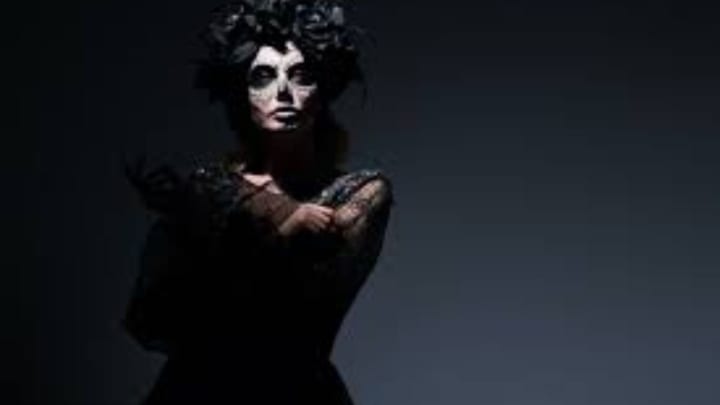
Black’s significance in art is complex, representing both darkness and elegance. In ancient Greek pottery, black was used as a backdrop to highlight mythological figures. The Baroque period embraced the dramatic contrast of black and white to convey intense emotion and spiritual depth, as seen in the works of Caravaggio. In the 20th century, artists like Kazimir Malevich explored the simplicity and power of black with his painting "Black Square," marking a shift towards abstract art and minimalism.
White: The Colour of Purity and Simplicity
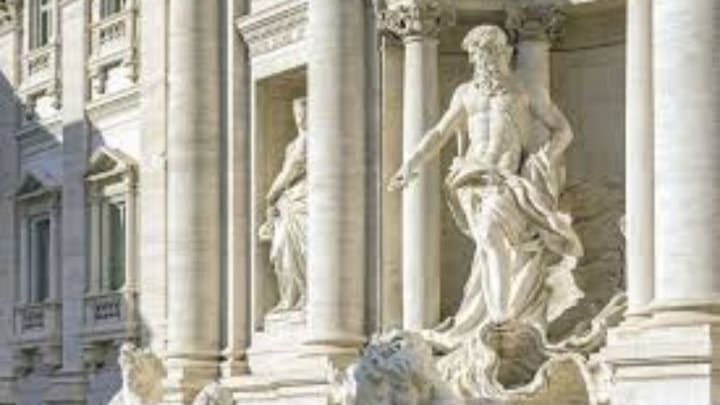
White has long been associated with purity, simplicity, and clarity in art. In classical sculptures, white marble was used to create lifelike depictions of gods and heroes. The Renaissance revived this tradition, emphasizing the beauty of the human form through white marble statues. In modern art, white has become a symbol of abstraction and minimalism, as seen in the works of artists like Robert Ryman. His white-on-white paintings focus on texture and form, challenging traditional concepts of colour in art.
Purple: The Colour of Royalty and Mystery
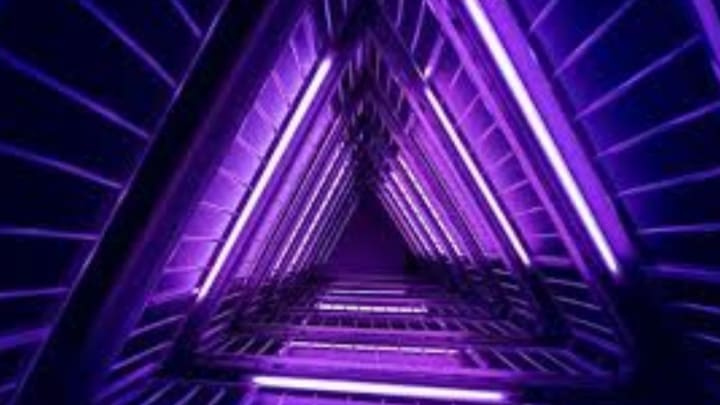
Purple has always been linked to royalty, luxury, and spirituality. In ancient Rome, purple dye was so rare and expensive that it was reserved for the robes of emperors. During the Byzantine Empire, purple was used in mosaics and religious art to represent the divine. In more recent times, artists like Gustav Klimt used purple to evoke mystery and opulence. Klimt’s "The Kiss" is a striking example, with its luxurious blend of gold and purple symbolizing romantic and spiritual transcendence.
/VIDEO
Conclusion
Colours have shaped the history of art, offering artists a means of communication that transcends language and culture. From the passionate reds of prehistoric times to the mysterious purples of the modern era, each colour holds its symbolism and significance. By exploring art through the lens of these seven colours—red, blue, yellow, green, black, white, and purple—we can gain a deeper appreciation of how colours have influenced artistic movements throughout the ages.
About the Creator
Zinnat ara Begum
I am an expert on Content Creator,
Video creation/editing: Adobe Premiere Pro, Final Cut Pro
Strong analytical and data-driven decision-making skills
Excellent communication and project management
Keep reading
More stories from Zinnat ara Begum and writers in Art and other communities.
The Fascinating World of Plastic Art
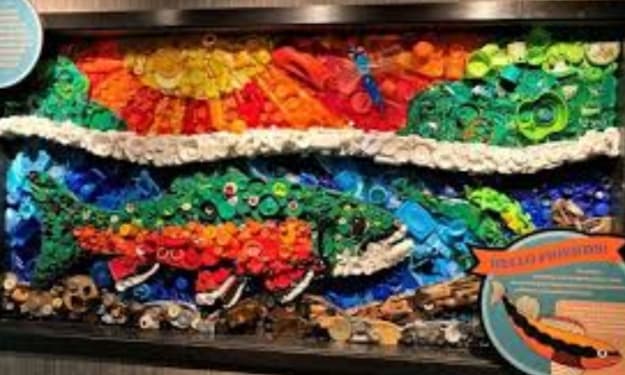
In recent years, the art world has witnessed a significant shift towards innovative materials, and one such material making waves is plastic. Plastic art, a dynamic and evolving genre, encompasses various forms, from sculpture to installation art. This article explores the concept of plastic art, its impact on contemporary art, and its role in environmental awareness.
By Zinnat ara Begumabout a year ago in Art
Why Nietzsche Belongs in 2026
As the world moves toward 2026, it does not feel like a calm progression into the future—it feels like a collision. Rapid technological acceleration, cultural fragmentation, economic uncertainty, and a deep crisis of meaning define the modern condition. Traditional authorities are distrusted, ideologies compete aggressively, and individuals feel both empowered and exhausted by choice. In such a landscape, Friedrich Nietzsche’s philosophy emerges not as a comfortable guide, but as a necessary one. Unsettling, demanding, and brutally honest, Nietzsche may offer the most fitting philosophical framework for the year ahead.
By Fred Bradford6 days ago in Art
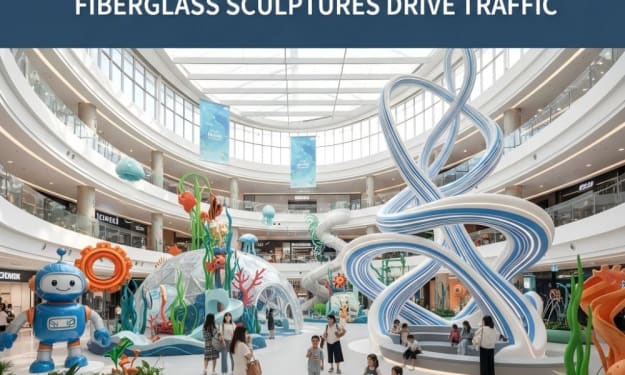
2026 Commercial Space Design:How Fbierglass Sculpture Drives Traffic
Today, offline commercial spaces are facing continuous pressure. With e-commerce offering convenient and fast services, physical stores must showcase unique features to attract customers. In this context, fiberglass sculptures are no longer merely decorative items; they have become visual focal points in shopping malls, brand stores, pop-up shops, and mixed-use commercial projects, playing a crucial role in increasing foot traffic.
By Shenzhen Ruiheng Craftsabout 23 hours ago in Art


Comments
There are no comments for this story
Be the first to respond and start the conversation.