
A Comprehensive Guide to Growing Rare Houseplants
: A Comprehensive Guide to Growing Rare Houseplants
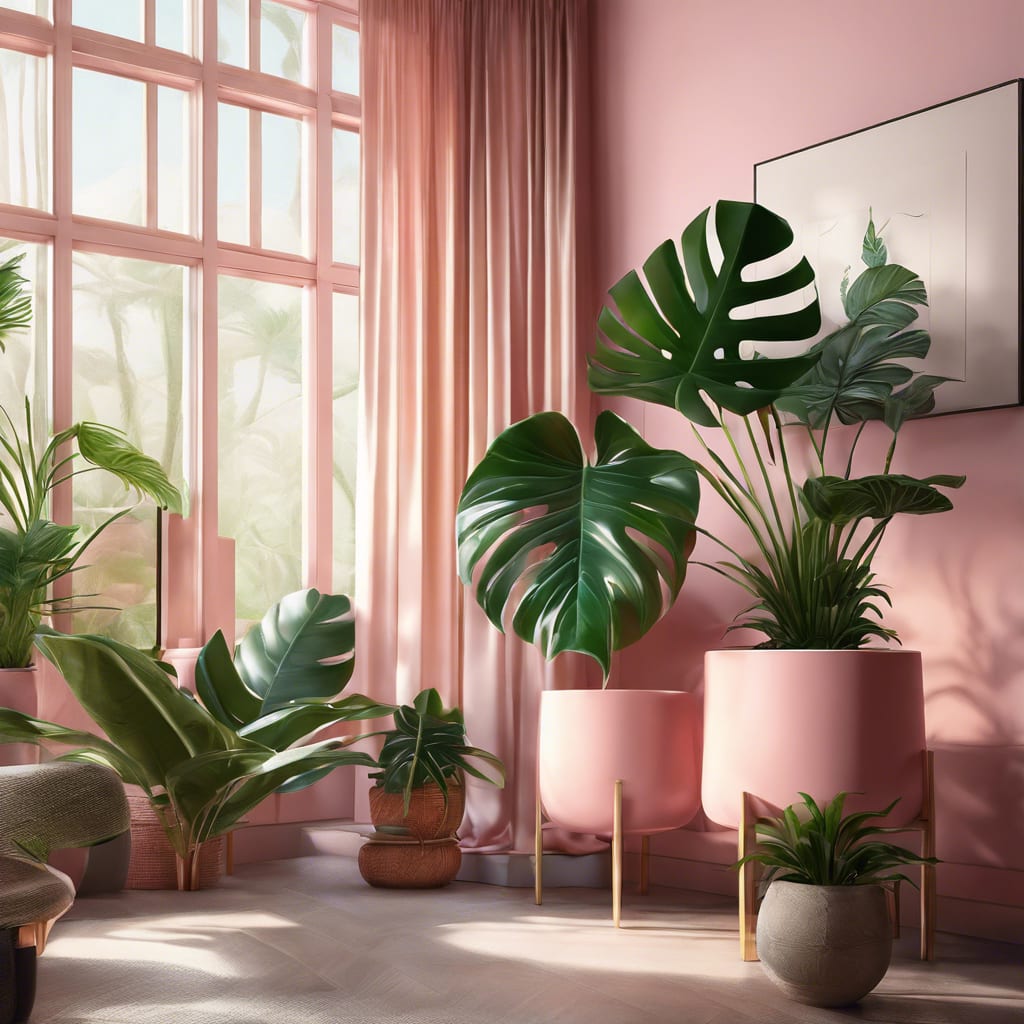
Title: A Comprehensive Guide to Growing Rare Houseplants
Introduction:
In recent years, the fascination with houseplants has surged, with many enthusiasts turning their attention to rare and exotic species. These unique plants not only enhance the aesthetic appeal of your home but also provide a rewarding hobby that connects you to nature. This comprehensive guide aims to equip you with the knowledge and skills necessary to grow and care for rare houseplants. From understanding their specific needs to creating the perfect environment, we will explore everything you need to cultivate these botanical treasures successfully.
Understanding Rare Houseplants:
Rare houseplants are typically characterized by their unique appearance, unusual growth habits, or limited availability. These plants often originate from specific regions with distinct climates, meaning they require particular care to thrive in a domestic setting. Examples include the Monstera obliqua, the variegated String of Pearls, and the Philodendron Pink Princess. Understanding the origin and natural habitat of these plants is crucial for mimicking the conditions they need indoors.
Selecting the Right Plants:
When choosing rare houseplants, consider your environment and experience level. Some rare plants are more forgiving and suitable for beginners, while others may require advanced care. Research the specific light, humidity, and temperature needs of each plant. Additionally, consider the space you have available, as some rare plants can grow quite large or require specific potting arrangements.
Creating the Ideal Environment:
1. Light Requirements: Most rare houseplants have specific light requirements. Some thrive in bright, indirect light, while others prefer low-light conditions. Understanding these needs is essential. For instance, a plant like the Calathea orbifolia requires filtered light to maintain its vibrant leaf patterns, whereas the Monstera adansonii prefers bright, indirect light to encourage its signature fenestrations.
2. Humidity and Temperature: Many rare houseplants come from tropical regions, making humidity a critical factor. Aim to maintain humidity levels between 50-70% for optimal growth. Using a humidifier or placing plants on a pebble tray with water can help achieve this. Temperature is equally important; most tropical plants prefer temperatures between 65-80°F (18-27°C). Avoid placing these plants near drafts or heating vents, which can cause stress.
3. Soil and Potting: Rare houseplants often have specific soil requirements. A well-draining mix is crucial to prevent root rot. Create a custom potting mix using components like peat moss, perlite, and orchid bark, depending on the plant's needs. Ensure that pots have drainage holes to allow excess water to escape, which helps prevent overwatering.
Watering Techniques:
Watering is a critical aspect of plant care and can vary significantly among rare houseplants. Overwatering is a common mistake, so it's essential to understand each plant's specific needs. Some plants prefer their soil to dry out completely between waterings, while others require consistently moist conditions. Use the "finger test" by inserting your finger about an inch into the soil to check for moisture before watering.
Fertilization and Feeding:
Fertilizing your rare houseplants is necessary to provide them with essential nutrients. Use a balanced, water-soluble fertilizer during the growing season (spring and summer) and reduce feeding in the fall and winter. Be cautious not to over-fertilize, as this can lead to salt buildup and damage the plant's roots. Follow specific guidelines for each plant species regarding the type and frequency of fertilization.
Propagation of Rare Houseplants:
Propagating rare houseplants can be a rewarding way to expand your collection. Methods vary depending on the plant, but common techniques include stem cuttings, leaf cuttings, and division. Research the best propagation method for your specific plant. For instance, succulents like the variegated String of Pearls can be propagated by placing cuttings in well-draining soil, while the Monstera deliciosa can be propagated via stem cuttings placed in water until roots develop.
Pest and Disease Management:
Rare houseplants can be susceptible to pests and diseases, particularly if their growing conditions are not optimal. Common pests include spider mites, aphids, and mealybugs. Regularly inspect your plants for signs of infestation and treat them promptly with insecticidal soap or neem oil. Maintaining proper hygiene by removing dead leaves and debris can also help prevent disease.
Conclusion:
Growing rare houseplants offers a unique opportunity to engage with nature and beautify your living space. By understanding the specific needs of each plant and creating the ideal environment, you can enjoy the satisfaction of nurturing these botanical wonders. With patience and careful attention, even the most exotic plants can thrive indoors. Whether you're a seasoned plant enthusiast or a beginner eager to explore the world of rare houseplants, this comprehensive guide provides the foundation you need to succeed. Embrace the journey of discovery and watch your rare plant collection flourish.
About the Creator
youssef mohammed
Youssef Mohamed
Professional Article Writer | Arabic Language Specialist
Location: EgyptPersonal
Keep reading
More stories from youssef mohammed and writers in Art and other communities.
Mastering Sign Language in Just 30 Days: A Comprehensive Guide
Title: Mastering Sign Language in Just 30 Days: A Comprehensive Guide Introduction: Learning sign language is a rewarding and enriching experience that connects you with the Deaf community and deepens your cultural understanding. Acquiring the ability to communicate in sign language not only opens up new channels of interaction but also enhances your personal and professional skills. In this article, we provide a structured plan to help you achieve fluency in sign language in just 30 days, focusing on effective strategies and available resources to reach your goal.
By youssef mohammedabout a year ago in Art
'Till Death We Do Art
There would be nothing divine in this world without art. Nature may surpass the divine to all intents and purposes, but like everything it absorbs and is absorbed by, it remains here, stuck on the surface of this world, ever-present, physically bound to the universe.
By Avocado Nunzella BSc (Psych) -- M.A.P 24 days ago in Art
Genesis Code (2025) Review: Andreas Szakacs Explores AI and Human Consciousness
In an age where artificial intelligence is evolving faster than ever, cinema has begun reflecting humanity’s growing curiosity—and concern—about technology. Genesis Code (2025) is one such film that dives into this modern dilemma. Directed by filmmaker Andreas Szakacs, the movie presents an experimental narrative that explores the intersection of artificial intelligence, digital identity, and human consciousness.
By Andreas Szakacs7 days ago in Art
A More Human Vocal
When we launched Vocal nearly a decade ago, the world was a very different place. LLMs did not exist, and stories were created one at a time by people sitting down to write, revise, and share something personal. Many of our assumptions about publishing, trust, and participation were built for a world where effort and output were inseparable.
By Justin @ Vocal7 days ago in Resources




Comments
There are no comments for this story
Be the first to respond and start the conversation.