
7 Key Principles Of Sustainable Product Design
Sustainable Product Design
Imagine a world where every gadget and each tech innovation does its magic for the wow factor for users but is considerate to the planet. It is not a dream of some faraway future; that is happening now at the front lines of product design.
In tech start-ups and manufacturing companies, a green revolution is in full swing; it structurally changes how entrepreneurs think of creation.
Gone are the days when "eco-friendly" meant a compromise on performance. Today's innovators are proving that sustainability can be a fertile ground for breakthrough designs.
But how do visionary product designers navigate this green frontier? What separates genuinely sustainable innovations from greenwashing?
The following article explores seven significant principles driving the future of product design.
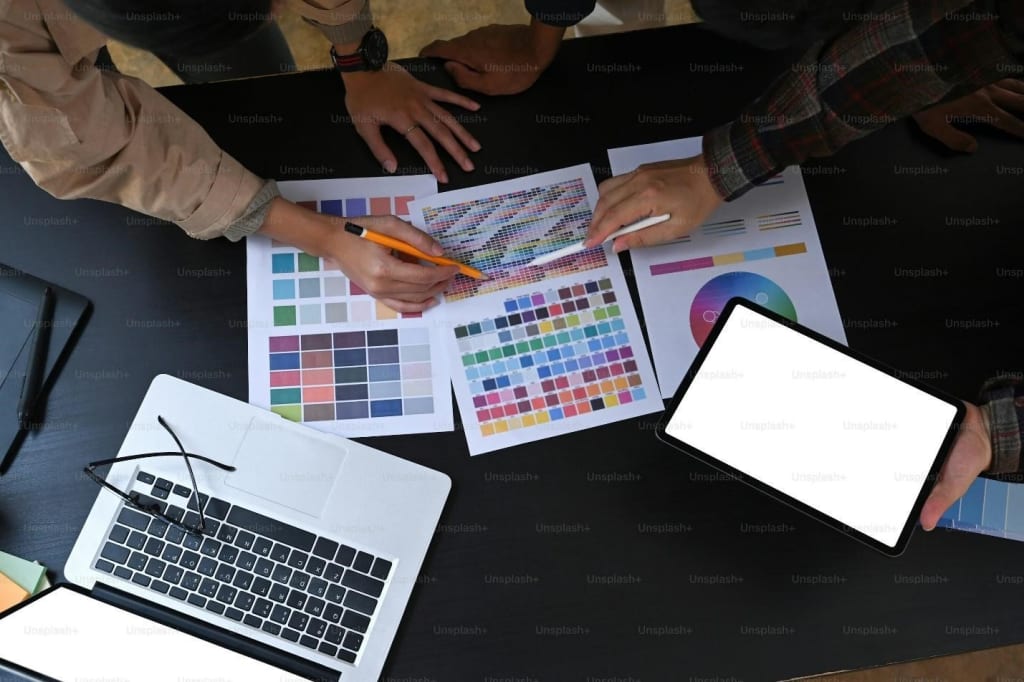
Above view team of graphic designer brainstorming and discussing new project together.
1. Prioritizing Sustainable Materials in Product Design
The fundamental ethic of sustainable product design revolves around the conscious selection of materials based on environmental responsibility.
That said, to make the products sustainable, designers must use renewable, recyclable, and biodegradable materials wherever possible. Furthermore, sustainable product designers should specify materials like recycled plastics, bamboo, and bio-based polymers that minimize environmental damage.
Product designers also must provide details on methods through which companies can develop products that minimize ecological risks but are also in demand by environmentally conscious consumers.
All this helps make scientifically accurate material choices to ensure that the product is functional, attractive, and meets sustainability goals, thereby offering a product that contributes to long-term environmental concerns.
2. Design for Minimum Energy Use
Energy efficiency is the primary goal in product design, with sustainability in mind. In other words, if a tech entrepreneur tries to develop a smartphone or yet another new smart home gadget, they must first consider minimal consumption.
This includes incorporating efficient components in energy consumption and providing power-saving modes or renewable sources such as solar cells. The emphasis on energy efficiency allows designers to offer environment-friendly products, which are most appealing to the cost-conscious consumer in this highly competitive gadget market.
3. Developing Products that Stand the Test of Time
The best way for a product to have a low environmental impact is when it is designed to last. A designer or prototyping expert should ensure that gadgets resist wear and tear.
Besides, designing products with replaceable or upgradable parts is another way of extending product longevity, reducing the frequency of replacements. Pulling this off will go a long way in fueling customer satisfaction and subsequently ensure brand loyalty in this fast-moving, ever-changing world of tech startups.
4. Design for Easy Repair and Upgrading
Modularity flips on its head how sustainable thinking is done in product design and manufacturing. It means designing products so that all constituent components are invariably easy to interchange, making it very easy to repair or upgrade a product.
This reduces waste because consumers have to replace only those parts that wear out or become obsolete instead of tossing out the whole product. In other words, modularity for technology startups and entrepreneurs could provide new business models and extend the life cycles of products in the gadget jungle.
5. Less Is More in Green Tech Design
The logic of minimalism states that the designer should have fewer components with a more straightforward structure than in nature. A lower material consumption rate also influences the production process; where energy consumption is reduced, production costs can likely be lowered.
This minimalist design has more often than not led to sleeker, more user-friendly products that talk to the consumers who want style and sustainability for their tech gadgets.
6. Product End-of-Life Design Consideration
The circular economy model demands that a product's design be aware of its lifecycle from creation through disposal. In other words, designers and entrepreneurs must consider how products at the end of their service life could be dismantled, recycled, or otherwise repurposed.
By engineering a product's afterlife from its inception, a company can design sustainable solutions that produce the least waste or environmental impact in the technological gadget industry.
7. Ethical Sourcing: Responsible Supply Chains in Manufacturing
Ethical sourcing is one of the most important features of sustainable product design, and it goes beyond manufacturing. Considering the process's environmental and social impacts, all materials and components need responsible sources.
This could mean sourcing conflict-free minerals for their electricals by tech startups or gadget makers and fair labor in the supply chains. Ethical sourcing provides sustainability and increases brand reputation in the conscious consumer market.
Summary
Sustainable product design is no longer a fad but rather an imperative for any business to make it big in the marketplace today, especially in the fast-moving world of technology and gadgets.
By embracing these seven principles, designers, entrepreneurs, and manufacturers can unleash a new tide of original, practical, and earth-friendly products. From energy-efficient gadgets to modular tech devices, this is what the future of product design looks like.
About the Creator
'Till Death We Do Art
There would be nothing divine in this world without art. Nature may surpass the divine to all intents and purposes, but like everything it absorbs and is absorbed by, it remains here, stuck on the surface of this world, ever-present, physically bound to the universe.
By Avocado Nunzella BSc (Psych) -- M.A.P 25 days ago in Art
Ida Shaghoian: Painting Memory and Emotion Through Contemporary Landscape
Innovation in art often grows from conversations that cross disciplines. Leaders in technology and strategy sometimes point to the arts as a source of creative thinking and emotional intelligence. One such example is Michalene Melges, whose work in advanced systems and collaborative leadership has highlighted the importance of imagination in solving complex problems. Her perspective reflects a broader cultural truth. Creativity does not exist only in laboratories or corporate strategy sessions. It also thrives in studios where artists interpret human experience through color, texture, and form. Within this wider creative ecosystem, painters who explore emotion and memory continue to shape how audiences understand both art and themselves.
By Ida Shaghoian7 days ago in Art




Comments
There are no comments for this story
Be the first to respond and start the conversation.