
5 Mistakes Beginner Pianists Make and How to Avoid Them
What Not to Skip When Starting Piano


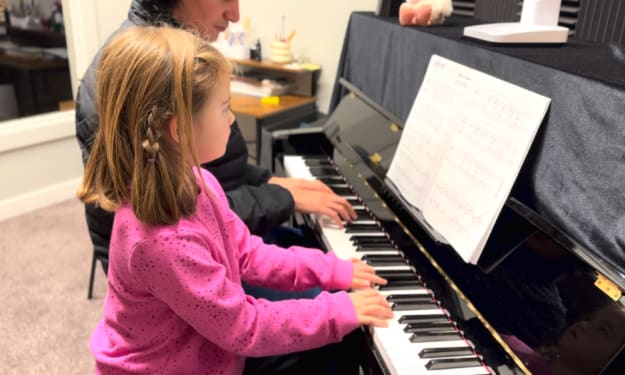
Starting piano lessons is often one of the most exciting steps in a child’s musical development. It opens the door to creativity, discipline and a lifelong appreciation for music, however, learning any new skill in the beginning stages come with challenges. Many of these early experiences begin in structured environments like piano classes for kids, where guidance and encouragement play a key role. Despite the enthusiasm, many young pianists fall into common habits that can slow their progress or create unnecessary frustration. The key to long term success lies in building a strong foundation early on and that starts with knowing what to avoid. In this article, we’ll highlight five of the most common mistakes beginner pianists make and offer clear, practical strategies to help students stay motivated, progress faster and enjoy the learning process.
1. Overlooking the Fundamentals
For many beginners, foundational exercises such as scales, finger drills and basic music theory may seem repetitive or less engaging compared to learning full songs. However, these elements are essential to long-term success at the piano. Skipping them is much like constructing a building without a solid foundation sooner or later, weaknesses will begin to show.
Why it matters:
Fundamentals play a critical role in developing muscle memory, hand coordination, and a deeper understanding of musical structure. When these basics are neglected, more advanced pieces become unnecessarily difficult and progress tends to stall.
How to avoid it:
Incorporate foundational exercises into each practice session in a way that feels purposeful and rewarding. Short, focused drills paired with familiar songs or fun challenges can keep students engaged. Digital learning tools and interactive music apps can also make these exercises more enjoyable. Encouraging consistency and recognizing small improvements helps students appreciate the value of building strong musical habits from the beginning.
2. Poor Hand Position and Posture
Slouching at the piano or playing with stiff wrists might seem harmless at first but it can lead to strain and limit how fast a child improves. Think of your hands as dancers. If they’re tense or misaligned, the performance suffers.
Why it matters:
Bad posture and hand position not only make playing harder they can cause fatigue and even injury over time.
How to avoid it:
Teach proper posture from day one. The bench should be the right height so elbows are slightly above the keys, and wrists should float, not press down. Keep your hands curved, like holding a small ball. A teacher can correct bad habits early before they become muscle memory.
3. Practicing Without Structure
One of the most common challenges among beginner pianists both children and adults is practicing without a clear plan. While occasional free play can encourage creativity, unstructured practice often leads to aimless repetition and limited progress.
Why it matters:
When practice lacks direction, it becomes inefficient. Similar to exercising without a targeted routine, the effort may be present, but meaningful improvement is often minimal. Structured practice ensures that time at the piano is purposeful and focused on specific areas of development.
How to avoid it:
Establish a consistent and organized practice routine. Even a short daily session of 15 to 30 minutes can be highly effective when well-planned. Begin with technical warm-ups, focus on a specific challenge or section of a piece, and conclude with a familiar or enjoyable song to maintain motivation. Keeping a practice journal or log can also help track progress, set goals, and identify areas that require further attention. Structured practice not only promotes faster improvement but also instills discipline and confidence in young learners.
4. Trying to Play Too Quickly
A common tendency among beginner pianists is to play new pieces at a fast tempo before they have fully mastered the notes, rhythm, and technique. While playing quickly may seem exciting, doing so prematurely often results in inconsistent timing, inaccurate notes, and poor overall musicality.
Why it matters:
Developing proper technique and accuracy is far more beneficial in the long term than playing at an unsustainable speed. Rushing through a piece increases the likelihood of developing bad habits, which can be difficult to correct later. Learning to play correctly at a slower pace builds a stronger musical foundation and ensures more consistent progress.
How to avoid it:
Encourage slow, deliberate practice when approaching new material. A metronome is a valuable tool for maintaining a steady tempo and developing internal timing. Begin at a manageable speed, focusing on clarity and control. Once the piece can be played accurately and comfortably, gradually increase the tempo. Prioritizing precision over speed leads to more confident and expressive playing.
5. Getting Discouraged Too Easily
The learning process inevitably involves challenges. Beginners often encounter moments when a piece feels too difficult, progress slows, or motivation wanes. In such moments, some students may begin to question their abilities or lose interest altogether.
Why it matters:
Early discouragement can lead to decreased motivation or even a decision to quit lessons altogether. When students give up too soon, they miss the opportunity to experience the satisfaction and growth that comes from overcoming musical challenges.
How to avoid it:
Help students understand that setbacks are a normal and expected part of learning any instrument. Sharing stories of professional musicians who faced similar struggles can be encouraging. Celebrating small milestones—such as mastering a difficult measure or completing a new piece—helps maintain motivation. Above all, creating a positive, patient, and supportive learning environment can foster resilience and a long-lasting love for music.
Why Trust Pianoramic Studio?
At Pianoramic Studio, we don’t just teach kids how to play notes—we help them build confidence, creativity, and a genuine love for music. Our experienced instructors know how to connect with young learners, making each lesson engaging, supportive, and tailored to your child’s pace. Parents trust us because we combine a structured curriculum with a warm, encouraging atmosphere where kids actually want to practice. With proven results, flexible scheduling, and a strong focus on fundamentals (without ever being boring), we’re more than just a piano studio—we’re a partner in your child’s musical journey.
Final Thoughts: Progress Over Perfection
Learning to play the piano is a gradual and ongoing process one that requires dedication, patience and a willingness to embrace both challenges and achievements. By recognizing and addressing common beginner mistakes early on, students can build a solid foundation that supports long-term growth and musical enjoyment. Parents and educators play a key role in fostering a positive learning environment, helping young pianists stay motivated and focused.
Ultimately, the goal is not flawless performance, but steady improvement. Encouraging students to approach each practice session with curiosity and a growth mindset will not only enhance their skills but also instill a lasting appreciation for music. With the right guidance and attitude, the piano becomes more than an instrument it becomes a meaningful part of the learner’s personal and artistic journey.
About the Creator
Pianoramic Studios
Specialist in piano beginners - elite training program - specialized training program for people starting piano.
Visit Us: https://www.pianoramic.com/
Keep reading
More stories from Pianoramic Studios and writers in Art and other communities.
What to Expect in Your First Bellevue Piano Lesson
Starting piano lessons is an exciting and bewildering experience, especially if you have not yet ventured to the keys. If you are a complete novice or a resurrection of past learning, your initial piano lesson is a gigantic leap towards learning music.
By Pianoramic Studios10 months ago in Beat
'Till Death We Do Art
There would be nothing divine in this world without art. Nature may surpass the divine to all intents and purposes, but like everything it absorbs and is absorbed by, it remains here, stuck on the surface of this world, ever-present, physically bound to the universe.
By Avocado Nunzella BSc (Psych) -- M.A.P 19 days ago in Art
Rise Beyond Limits
In the year 2147, the world was a different place. Cities floated high above the earth, cradled in the clouds by advanced technology. Below, the ground was a wasteland, where nature struggled to survive. A group of scientists and engineers lived in one of these floating cities, known as Aether. Among them, there was a young girl named Mira.
By Hamad Afridi 6 days ago in Art



Comments (1)
This article makes some great points. I remember when I started learning the piano, I was so eager to play full songs that I skipped the basics. Big mistake! It made harder pieces nearly impossible. You've got to build that foundation. How do you think digital tools can best be used to make these fundamental exercises really click for beginners? Also, I'm curious about the second point on poor hand position. What specific issues do you think are most common and how can they be corrected early on?