
5 Acrylic Painting Techniques Every Experienced Artist Should Master
Beyond the Basics
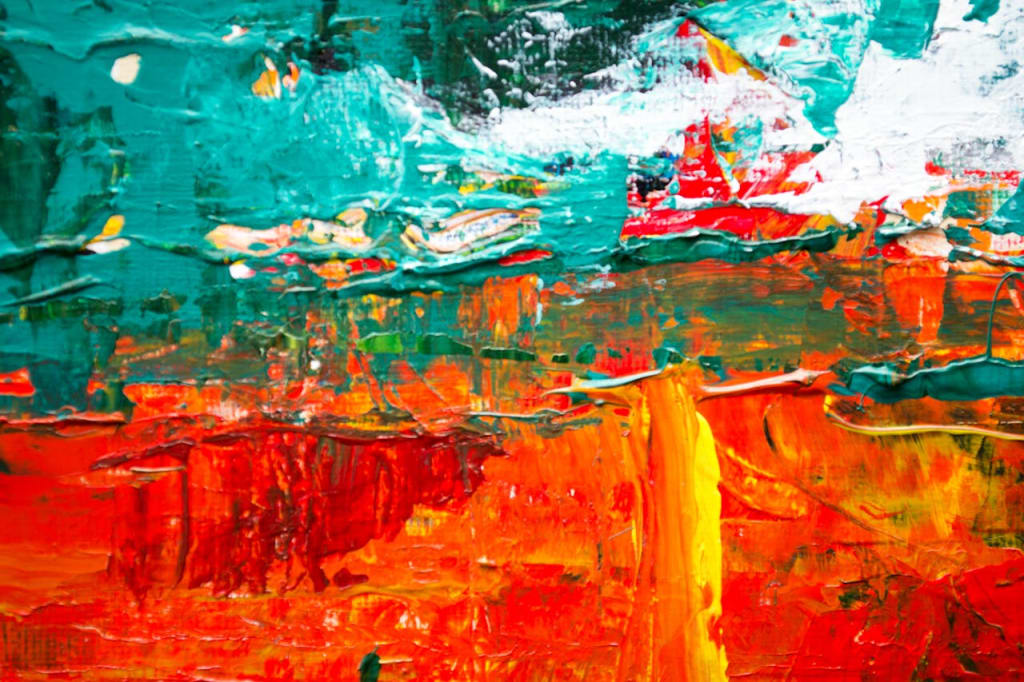
In the realm of fine art, acrylic paint is unquestionably powerful as it lets one create stunning contrasts, dazzling layers, and robust textures that every composition needs. However, it dries quicker than oil and gives more flexibility than watercolor, realizing its full potential calls for a better knowledge of sophisticated methods. The way acrylics interact with different surfaces, media, and applications may take an artwork above and beyond the usual. Every brushstroke, glaze, or impasto layer adds a different dimension to provide visual depth and expressive movement that identifies a real masterwork. Artists who hone their technique in mixing, layering, and texturing find an unmatched flexibility to control saturation, shadow, and light. It is about guiding a canvas's behavior, molding its shape, and stretching its limits, not just about painting color on it.
Blending for Perfect Color Transitions
Aiming for perfect color transitions may be difficult with acrylic paint, which is well-known for its fast-drying character. Controlling the drying period and working well with wet edges will help one to grasp mixing. Using a slow-drying medium stretches the manipulation time and lets colors combine naturally before setting. By helping to feather out edges, a soft, moist brush may avoid strong lines and provide a smooth gradient. Combining colors or moving from deep blues into light pastels gives a clean, professional touch that accentuates the appearance of depth and mood. Refining mixed regions depends on an awareness of brushwork. Larger gradients call for a filbert or flat brush; a mop brush may assist in softening transitions even more. By gently skimming over a blended region with a barely loaded brush, dry brushing may give more depth and provide a subdued texture without overwhelming the foundation layer.
Arranging using Opaque and Transparent Acrylics
Depth in an acrylic painting is the interaction between transparency and opacity that gives a work life; it is not based just on contrast. Like glazing methods employed in oil painting, transparent acrylics, when applied deftly, provide a brilliant look that lets underlying colors gently flow through. Conversely, opaque layers provide strong focus points, therefore giving the whole composition weight and structure. Learning both guarantees a harmonic equilibrium wherein shadows anchor the picture with believable firmness while light seems to shine from within. Layering involves timing in great part. To avoid muddiness and preserve color integrity, let every layer dry completely before adding the next.
Expressive Underpaintings
One of the best approaches to creating tonal balance and improving depth before the last layers take form is underpainting. Particularly red acrylic paint makes a strong and lively basis that gives a piece warmth and vitality. Applied thinly, it may function as a guide layer, gently affecting the color palette's outcome. In portraiture, this is particularly successful as a red underpainting accentuates skin tones and helps them to seem vibrant rather than dead. One cannot overestimate the psychological effects of red as a base layer. Whether seen through transparent layers or just influencing the impression of surrounding hues, it infuses a subliminal warmth into the work.
Impasto for Strong Dimension and Sculptural Texture
Impasto addresses movement, shape, and the tactile sense of painting, not just thickness. Applied with a palette knife or highly loaded brush, acrylics produce sculptural effects that interplay with light in unusual ways. Every stroke has weight and substance, enabling an artist to create dynamic forms, sweeping movements, and three-dimensional illusions breaking away from conventional flat surfaces. Effective impasto depends on knowing acrylic media that increase volume without sacrificing durability. Gel mediums or heavy-body acrylics provide the required consistency to hold shape as they dry into a sturdy, crack-resistant form.
Glazing for Atmospheric Effects and Depth
Glazing turns an acrylic painting from a basic color arrangement into a brilliant masterwork. Artists may get unmatched depth by layering thin, transparent washes over dry layers, thereby gently changing tones without sacrificing the brilliance of underlying colors. This method is particularly successful in producing atmospheric effects—where far-off objects fade gently into the background—or in improving skin tones so that the interaction of light and shadow can resemble the natural translucency of human flesh. Mastery of glazing calls on patience. To prevent undesired mixing, every layer must dry completely before the next is laid on. Smooth application is guaranteed by a fluid acrylic medium, which also preserves the color brightness.
Conclusion
Real mastery in acrylic painting goes beyond simple approaches; it requires knowledge of how each approach interacts with color, light, and texture. These cutting-edge techniques provide many possibilities and enable paintings with pulsing depth, color, and emotion. An artist has more mastery over their medium with each deliberate layer and polished brushstroke, therefore turning basic materials into works of remarkable depth and eternal expression.
About the Creator
Keep reading
More stories from Samantha Higgins and writers in Art and other communities.
Stem Cell Therapy vs. Traditional Treatments
Within the field of medical innovations, you find yourself at a crossroads between the tried-and-true approaches of conventional therapies and the transforming potential of stem cell treatment. This developing story allows you to look at the science, efficacy, and real-life impact behind different therapy approaches while also contemplating how your specific health objectives and situation may fit the developing trends. In this changing terrain, you start to actively participate in forming the direction of healthcare as well as an interested observer.
By Samantha Higginsabout a year ago in Lifehack
'Till Death We Do Art
There would be nothing divine in this world without art. Nature may surpass the divine to all intents and purposes, but like everything it absorbs and is absorbed by, it remains here, stuck on the surface of this world, ever-present, physically bound to the universe.
By Avocado Nunzella BSc (Psych) -- M.A.P 22 days ago in Art
The Bruno Mars Enigma: The Untouchable King of Pop and the Critiques Behind the Curtain
The Bruno Mars Enigma: The Untouchable King of Pop and the Critiques Behind the Curtain Introduction By March 2026, Bruno Mars has solidified a reality that the music industry can no longer ignore: he is the undisputed number-one male artist in the world. Smashing streaming records with over 128 million monthly listeners on Spotify, Mars has orchestrated a flawless year fueled by massive, chart-topping collaborations and his highly anticipated solo project, The Romantic. His latest blockbuster single, "Risk It All," proves that his hit-making alchemy remains entirely intact.
By Nivard Anna6 days ago in Art
A More Human Vocal
When we launched Vocal nearly a decade ago, the world was a very different place. LLMs did not exist, and stories were created one at a time by people sitting down to write, revise, and share something personal. Many of our assumptions about publishing, trust, and participation were built for a world where effort and output were inseparable.
By Justin @ Vocal5 days ago in Resources



Comments
There are no comments for this story
Be the first to respond and start the conversation.