
3D Modeling vs 3D Rendering: What’s the Difference?
Comparison Between 3D modeling vs 3D rendering


Walk into any animation studio, product design firm, or architectural visualization agency, and you'll hear the terms 3D modeling and 3D rendering thrown around like second nature. While they often work hand-in-hand, they’re not interchangeable.
In fact, understanding the distinction between the two can clarify project scopes, improve team communication, and ensure accurate budgeting.
3D modeling is about creating the structure. 3D rendering, on the other hand, is about making that structure come alive through texture, lighting, and realism. Whether you’re a designer, client, or just curious about how 3D content is produced, this listicle will walk you through the key differences and the unique role each one plays in the 3D pipeline.
What Is 3D Modeling? Crafting the Structure
3D modeling is the foundational stage in the digital creation process. It involves constructing a three-dimensional object within specialized software using vertices, edges, and polygons. These objects can be anything-product prototypes, characters, buildings, machinery, or even abstract concepts.
The model itself is just geometry. It’s uncolored, unlit, and usually not ready for presentation until it’s passed on to the rendering stage.
Key characteristics of 3D modeling:
- Creates the shape and physical structure
- Defines object proportions, scale, and position
- Involves wireframe or mesh creation
- Doesn't include lighting or materials (yet)
Professionals often use tools like Blender, Maya, ZBrush, SolidWorks, or 3ds Max for this phase, depending on the complexity and type of model required.
What Is 3D Rendering? Bringing Models to Life
Once the model is built, 3D rendering takes it a step further by applying textures, materials, lighting, and camera angles. This process transforms a raw digital model into a polished image or animation.
Rendering is where realism comes into play. Whether you're visualizing how sunlight affects a room or how metal reflects light on a car prototype, rendering is the stage where it all happens.
Core aspects of 3D rendering:
- Simulates light interaction and surface detail
- Applies colors, materials, and shadows
- Outputs high-resolution stills or videos
- Requires powerful hardware and software for complex scenes
Popular rendering engines include V-Ray, Arnold, Octane Render, Redshift, and built-in engines within modeling tools like Blender’s Cycles.
Tools and Software: Different Needs for Different Phases
While some platforms offer integrated solutions for modeling and rendering, the tools required for each are often distinct, especially in professional workflows.
Common 3D modeling tools:
Blender - Open-source, versatile for both modeling and animation
ZBrush -Ideal for organic sculpting
SketchUp - Popular for architecture and interior design
SolidWorks -CAD-heavy modeling for engineering and product design
Popular rendering engines:
- V-Ray - Architectural and product visualization
- KeyShot - Real-time rendering for product designers
- Arnold - High-end animation and VFX rendering
- Lumion - Quick rendering for architectural projects
Each tool has its strengths, and professionals often switch between platforms depending on the phase of the project.
Timeline and Workflow: When Each Process Happens
Understanding when modeling and rendering occur in the production timeline can help clarify their roles.
3D Modeling typically includes:
- Initial sketching or concept development
- Block-out or rough geometry design
- Refinement and detailing of the object
3D Rendering typically involves:
- Material assignment (wood, metal, glass, etc.)
- Lighting setup (natural, artificial, HDRI)
- Scene composition and camera placement
- Final rendering for image or animation output
Both stages are iterative. Designers often revisit the modeling phase based on how the render turns out-adding or removing details to improve the final look.
Use Cases: Where Modeling and Rendering Shine Separately
Though often used together, modeling and rendering serve distinct purposes depending on the project goals.
3D Modeling is essential for:
- Product design and prototyping
- 3D printing
- Game asset development
- Architectural blueprints and technical visuals
3D Rendering is key for:
- Marketing visuals and promotional content
- Virtual staging and real estate walkthroughs
- Animated films and commercials
- Client presentations and investor decks
A prototype needs a solid model. A pitch deck needs a compelling render. Knowing the difference saves time, money, and expectations.
Skillsets and Professionals: Different Experts for Different Jobs
In larger teams or studios, 3D modeling and 3D rendering are often handled by different specialists.
3D Modelers focus on:
- Technical accuracy
- Geometry and topology
- Optimization for performance (especially for games or VR)
3D Render Artists focus on:
- Aesthetics and realism
- Material accuracy and lighting behavior
- Post-processing and visual storytelling
Some professionals are skilled in both, especially freelancers or generalists. But for large-scale projects, separating roles improves speed and quality.
Level of Complexity and Hardware Requirements
While both modeling and rendering can be complex, rendering is often the more resource-intensive of the two.
Modeling typically needs:
- Moderate CPU performance
- Responsive viewport handling
- Detailed mesh manipulation
Rendering demands:
- High-end GPUs or render farms
- Extensive RAM for large scenes
- Long processing times (hours or days for animations)
This is why render farms and cloud-based solutions are popular-offloading the heavy lifting to specialized servers.
To Wrap Up
Understanding the distinction between 3D modeling and 3D rendering is crucial for anyone working with digital visuals, whether in design, development, architecture, or marketing. Modeling creates the structure; rendering brings it to life. Together, they form the backbone of every high-quality 3D project.
Whether you're planning a product launch, building a virtual environment, or preparing client presentations, knowing what each process entails-and who to hire for it-can streamline your workflow and elevate your results.
If you are in need to outsource 3D modeling, you can hire a 3D modeler. 3D outsourcing companies provide dedicated & talented 3D modeling experts as per your requirement.
About the Creator
Leo Johnson
I am Leo Johnson, an enthusiastic frontend developer located in the United Kingdom. Fueled by a profound affection for everything related to the web, .hire virtual employees
Keep reading
More stories from Leo Johnson and writers in Art and other communities.
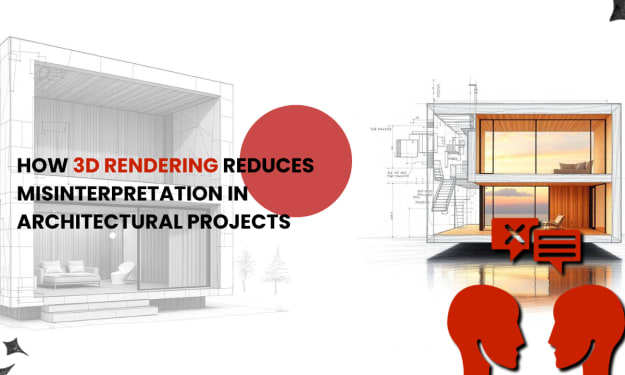
How 3D Rendering Reduces Misinterpretation in Architectural Projects
Not every client can read a blueprint. And not every builder can perfectly visualize abstract sketches. Miscommunication in architectural projects isn’t just inconvenient-it’s expensive, time-consuming, and sometimes irreversible. The disconnect between a designer’s vision and a client’s understanding often stems from one major issue: a lack of visual clarity.
By Leo Johnson9 months ago in Art
Golden Journey
Once in a small town named Willow Creek, something extraordinary was about to happen. The sun was setting, casting long shadows and a golden glow across the landscape. Among the townspeople was a curious boy named Ethan. A dreamer with bright green eyes and messy brown hair, Ethan was often lost in his thoughts. He wanted to explore worlds beyond his own, driven by the tales of adventure his grandmother used to tell him.
By Hamad Afridi about 6 hours ago in Art


Comments
There are no comments for this story
Be the first to respond and start the conversation.