
What Is the Ideal Thermostat Setting Year-Round? A Guide to Comfort and Savings
Enviro Heating & Air Conditioning, Inc.
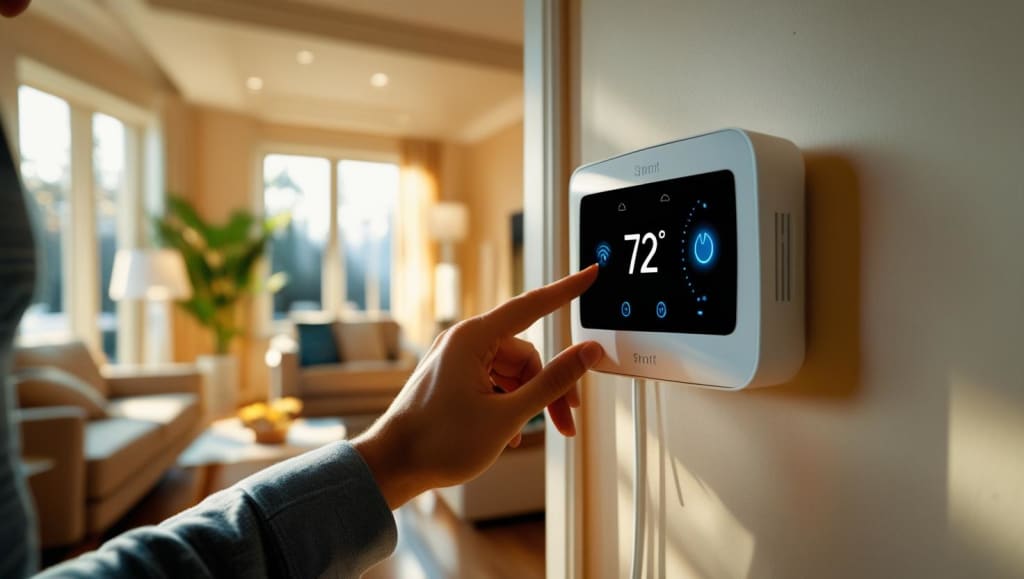
Your thermostat might seem like a small detail in the grand scheme of heating and cooling, but it’s one of the most powerful tools for controlling your energy use, comfort, and utility bills. For both homeowners and small business owners, knowing the best settings for every season — and how to optimize them — can mean substantial savings and greater indoor comfort year-round.
In this guide, we’ll explore ideal thermostat settings for different times of year, how programmable and smart thermostats can enhance efficiency, and tips for maximizing performance in California’s diverse climate.
1. Why Thermostat Settings Matter
According to the U.S. Department of Energy, you can save up to 10% per year on heating and cooling by simply adjusting your thermostat 7°–10°F for 8 hours a day from your normal setting. Multiply that across multiple units or commercial systems, and the savings add up fast.
But finding the right balance between comfort and efficiency is where most people struggle. Here’s how to make informed, cost-effective choices.
2. Ideal Thermostat Settings by Season
Winter
- Recommended setting (occupied): 68°F
- Recommended setting (away/asleep): 60°F–64°F
Lowering your thermostat when you're not home or asleep helps conserve energy. For every degree you lower the temperature, you can save about 1% on your heating bill.
Pro Tip: Use flannel sheets or space heaters in bedrooms instead of keeping the entire home warm overnight.
Summer
- Recommended setting (occupied): 78°F
- Recommended setting (away): 85°F+
Running your AC at 78°F while home keeps things comfortable without overburdening the system. Raising the temperature while you're away prevents unnecessary cooling of an empty house.
Pro Tip: Use ceiling fans to make the room feel cooler. Air movement at 78°F can feel like 74°F without lowering the thermostat.
Spring and Fall
Recommended setting (occupied): 68°F–72°F
These transitional months offer opportunities to use natural ventilation, fans, or open windows instead of relying solely on HVAC systems.
3. How to Set Thermostats for Businesses
Commercial environments require different strategies depending on usage patterns:
Office Spaces
- Occupied: 70°F–74°F
- Off-hours: 62°F–66°F (heating) or 78°F–80°F (cooling)
Retail or Hospitality
Prioritize customer comfort — try 70°F year-round, adjusting based on local conditions and feedback.
Warehouses or Industrial Settings
Focus on targeted zones (e.g., break rooms or offices) rather than conditioning large open areas.
Pro Tip: For businesses, zoning and scheduling are critical. Make use of programmable thermostats and occupancy sensors to avoid energy waste during non-business hours.
4. Programmable vs. Smart Thermostats
Programmable Thermostats
These allow users to pre-set temperature schedules based on time and day.
Pros:
- Simple and affordable
- Great for consistent routines
Cons:
- No remote control
- No real-time learning or optimization
Smart Thermostats
These connect to Wi-Fi and allow remote access, learning behavior over time.
Pros:
- Learn your schedule and adjust automatically
- Can be controlled via phone, tablet, or voice
- Provide energy usage reports and savings tips
Cons:
- Higher upfront cost
- Some require professional installation
Popular brands include Nest, ecobee, Honeywell, and Emerson — all of which integrate with Google Assistant, Amazon Alexa, and Apple HomeKit.
5. Tips for Maximizing Efficiency
Use Thermostat Schedules
Set different temperatures for:
- Morning (getting ready)
- Daytime (away at work)
Evening (return home)
- Overnight (sleeping)
- Avoid “Heat/AC Cramming”
Setting the thermostat to extreme highs or lows won’t heat or cool your home faster — it just makes the system work longer.
Zone Your Property
If your building or home allows, install zoned systems that manage temperatures in different areas separately.
Utilize Natural Heat and Shade
Open blinds in winter to let in sunlight
Close blinds and use awnings in summer to reduce heat gain
Check and Replace Filters
Clogged filters make systems less efficient, causing thermostats to run longer to reach set points. Replace filters every 1–3 months.
6. California-Specific Considerations
California’s climate zones vary dramatically, so thermostat settings should reflect local weather and utility prices.
Bay Area & Coastal Regions
Milder temperatures mean less extreme heating or cooling
Focus on dehumidification and air quality more than temperature
Central Valley & Inland Areas
Summers are hot — ceiling fans and window coverings are essential
Consider using two-stage or variable-speed systems to reduce overcooling during milder times of day
Southern California
High AC demand — raise thermostat a few degrees when energy alerts (Flex Alerts) are issued to reduce grid strain
Rebates may be available for installing energy-efficient thermostats — check with local utilities like PG&E or SoCal Edison.
7. Smart Thermostat Features to Consider
Geofencing: Adjusts temperature based on your phone's GPS location
Learning algorithms: Thermostat "learns" your habits and adapts
Remote sensors: Track temperatures in different rooms to adjust system behavior
Maintenance alerts: Remind you to change filters or schedule service
Energy tracking: See real-time consumption and savings potential
These features can increase comfort and reduce HVAC-related energy use by up to 20%.
8. Thermostat Myths Debunked
Myth 1: Setting it higher or lower cools/heats faster.
False. HVAC systems operate at a fixed speed unless you have a variable-speed unit.
Myth 2: It’s better to leave the system running all day.
False. It’s more energy-efficient to let the temperature rise or fall when you're away and then reset it before you return.
Myth 3: Turning off the system saves more than turning it down.
Sometimes false. In extreme weather, it’s often better to adjust, not shut off, as restarting can require more energy.
9. FAQs: Thermostat Best Practices
Q: How often should I adjust my thermostat?
Use a programmable or smart model to automate daily adjustments — minimal manual changes needed.
Q: Is 78°F really comfortable in summer?
Yes, especially with ceiling fans. Gradual changes help your body acclimate and reduce the perceived heat.
Q: How much can I really save?
Depending on your system and location, savings can range from 5% to 20% annually with optimal thermostat use.
10. Final Thoughts: Small Setting, Big Impact
Optimizing your thermostat settings is one of the simplest — and most cost-effective — ways to take control of your energy use. By understanding the seasonal sweet spots, leveraging smart technology, and tailoring your approach to your lifestyle or business hours, you can enjoy year-round comfort without overpaying.
If you're looking to upgrade to a smart thermostat or want to improve system performance, consult a trusted professional like Enviro Heating & Air Conditioning, Inc. for expert guidance, installation, and energy efficiency support.
About the Creator
Keep reading
More stories from Jared Benning and writers in 01 and other communities.
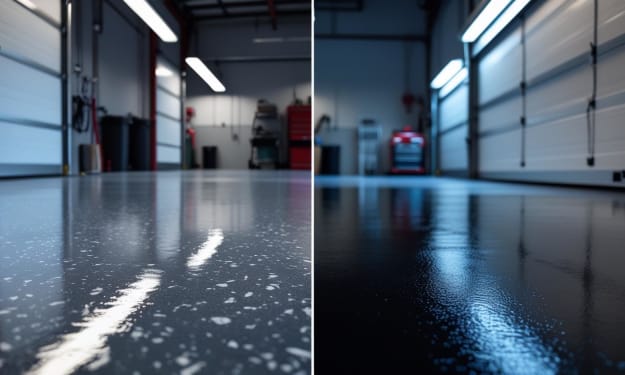
Epoxy vs. Polyaspartic Garage Floor Coatings: What’s the Best Choice for Your Home?
Upgrading your garage floor is one of the most impactful investments you can make in your home — improving aesthetics, durability, resale value, and daily functionality. Two leading options dominate the market: epoxy coatings and polyaspartic coatings. While both enhance concrete floors with professional-grade protection and visual appeal, they differ significantly in terms of installation, performance, and longevity.
By Jared Benning7 months ago in 01
iPhone Fold 2026
iPhone Fold 2026 Yes, rumors strongly suggest Apple's first foldable iPhone, the iPhone Fold, is expected to launch in late 2026, potentially alongside the iPhone 18 series, featuring a book style design with a smaller cover screen that unfolds to a larger internal display, though some reports hint at potential delays into 2027 due to manufacturing complexities.
By Farooq Hashmi4 days ago in 01
Handbags in Modern Fashion: Design, Function, and Consumer Perspectives
Handbags have long been more than simple accessories. Historically rooted in utility, they have evolved into cultural symbols reflecting personal style, social identity, and changing fashion trends. Today, handbags occupy a unique space where craftsmanship, branding, and consumer behavior intersect. From everyday carryalls to luxury-inspired designs, the handbag market continues to grow and diversify, especially among women seeking both practicality and visual appeal.
By charliesamuel7 days ago in 01


Comments
There are no comments for this story
Be the first to respond and start the conversation.