
Epoxy vs. Polyaspartic Garage Floor Coatings: What’s the Best Choice for Your Home?
PremierGarage
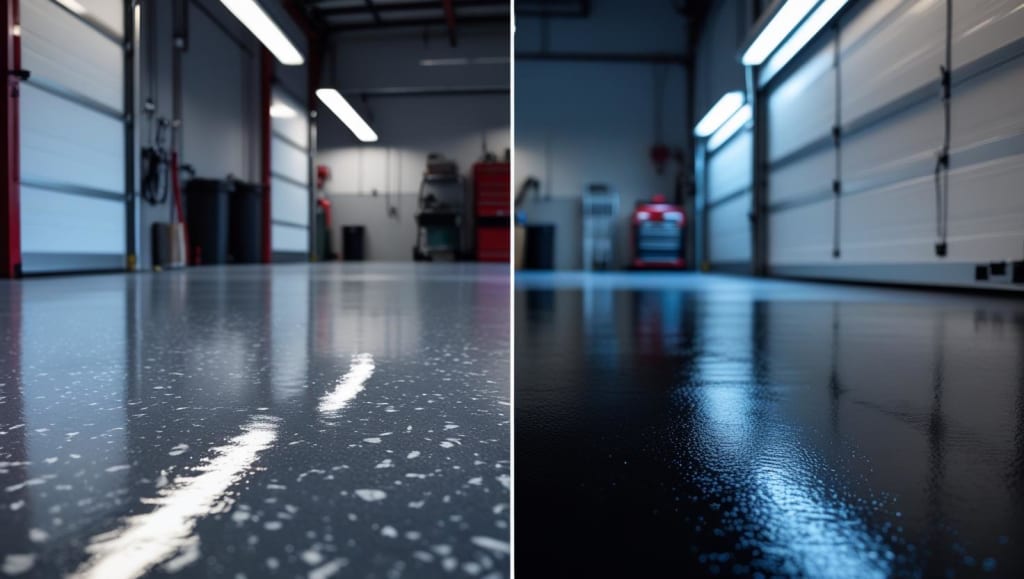
Upgrading your garage floor is one of the most impactful investments you can make in your home — improving aesthetics, durability, resale value, and daily functionality. Two leading options dominate the market: epoxy coatings and polyaspartic coatings. While both enhance concrete floors with professional-grade protection and visual appeal, they differ significantly in terms of installation, performance, and longevity.
This article explores the key differences between epoxy and polyaspartic garage floor coatings, helping homeowners and small business owners determine which solution best suits their needs, budget, and long-term goals.
1. What Are Epoxy and Polyaspartic Floor Coatings?
Epoxy Coatings
Epoxy is a two-part resin-based coating made from epoxide resin and polyamine hardeners. Once mixed and applied, it forms a strong, adhesive layer over concrete, sealing it from moisture, stains, and wear.
- Finish: Glossy or satin
- Thickness: ~2–3 millimeters
- Cure time: 24–72 hours (depending on temperature and humidity)
Polyaspartic Coatings
Polyaspartic is a subtype of polyurea coating, originally developed for industrial use. It offers fast curing, high UV resistance, and excellent durability in extreme conditions.
- Finish: High-gloss, stain-resistant
- Thickness: Similar to epoxy but can be layered
- Cure time: ~1–2 hours (walk-on ready in less than a day)
2. Installation Time and Process
Epoxy
- Requires multiple coats (primer, base, topcoat)
- Typically takes 2–5 days to install and cure
- Best applied in consistent, mild temperatures (ideal range: 55–85°F)
- May require 7+ days before driving on the surface
Polyaspartic
- Fast-curing formula allows same-day application and return to service
- Can be installed in temperatures from -30°F to 140°F
- Ideal for climates with seasonal fluctuations
- Cures in hours — often ready for vehicle traffic within 24 hours
Winner: If time is a factor, polyaspartic coatings provide faster turnaround, reducing disruption for both homeowners and business owners.
3. Durability and Resistance
Epoxy Strengths:
- Excellent adhesion to concrete
- Resistant to chemicals, oil, and surface abrasions
- Suitable for light to moderate traffic
Limitations:
- Susceptible to UV damage, yellowing over time
- Can chip or peel in high-impact or extreme temperature environments
Polyaspartic Strengths:
- Superior abrasion resistance — handles heavy traffic, tools, and machinery
- Fully UV stable — won’t fade or discolor in sunlight
- Maintains flexibility in extreme hot or cold
- More resistant to hot tire pickup and chemical spills
Winner: For high-performance or long-term durability, especially in sunny or variable climates, polyaspartic coatings outperform epoxy.
4. Appearance and Customization
Both systems offer a wide range of visual customization, but there are notable differences.
Epoxy:
- Available in various colors, sheens, and decorative flakes
- Allows for metallic effects, quartz aggregates, or multi-tone patterns
- May amber over time if exposed to sunlight
Polyaspartic:
- Equally customizable — ideal for chip and flake systems
- Maintains gloss and color over time without yellowing
- Can be layered with anti-slip additives and logo or design stencils
Winner: For UV-stable aesthetics and long-term clarity, polyaspartic holds its visual edge longer, though both offer broad design flexibility.
5. Slip Resistance and Safety
Garage floors must balance gloss with safety — especially in residential or commercial environments prone to moisture or vehicle fluids.
Epoxy:
- Naturally smooth and can become slippery when wet
- Requires added grit or textured flakes for slip resistance
Polyaspartic:
- Can be customized with anti-slip additives, while still maintaining a high-gloss look
- Textures integrate more seamlessly with fewer application steps
Winner: Polyaspartic coatings allow safer finishes without sacrificing visual appeal.
6. Longevity and Maintenance
Epoxy:
- Lifespan of 5–10 years with proper care
- May require touch-ups or recoating in high-traffic zones
- Prone to peeling if moisture was present at application
Polyaspartic:
- Lifespan of 15–20 years or more
- Requires minimal maintenance
- Highly resistant to stains, fading, and impact damage
Winner: Polyaspartic is the clear choice for long-term performance and lower lifetime maintenance costs.
7. Environmental and Indoor Air Quality Considerations
Epoxy:
- Can emit volatile organic compounds (VOCs) during application
- Requires ventilation and protective gear
Polyaspartic:
- Many formulas are low- or zero-VOC
- Faster curing limits odor and downtime
- Safer for indoor or enclosed garage installations
Winner: Polyaspartic is better for indoor air quality and environmentally conscious homeowners.
8. Cost Comparison
While both coatings are considered premium upgrades, their cost profiles differ.
Feature Epoxy Polyaspartic
Material Cost Lower Higher
Installation Time Longer Faster
Lifespan 5–10 years 15–20+ years
Recoating Needed Possibly every 5–7 years Rarely
Maintenance Moderate Low
Cost (installed) $3–$7 per sq. ft. $5–$12 per sq. ft.
Long-term view: Though more expensive initially, polyaspartic offers a better return on investment over 10+ years due to lower maintenance and longer durability.
9. Best Use Cases for Each Coating
Choose Epoxy If You:
- Have a tight budget
- Plan to use your garage for light-duty purposes
- Want aesthetic customization at a lower cost
- Are okay with longer installation time
Choose Polyaspartic If You:
- Need fast turnaround
- Want maximum durability
- Live in an area with sun exposure or temperature extremes
- Prefer low maintenance and long-term performance
10. Summary: Which Is Right for You?
Criteria Epoxy Polyaspartic
Cost $$ $$$
Installation Time 2–5 days 1 day
UV Resistance Poor Excellent
Lifespan 5–10 years 15–20+ years
Slip Resistance With additive Easily integrated
VOCs Moderate Low
Maintenance Moderate Minimal
Conclusion: Invest in the Floor That Works for Your Life
Whether you're a homeowner turning your garage into a workshop, or a business owner managing a commercial storage space, the right floor coating makes all the difference. Epoxy is a solid choice for budget-conscious buyers looking for basic protection and style. But for those prioritizing longevity, durability, UV resistance, and rapid installation, polyaspartic coatings clearly lead the pack.
Consult a certified flooring specialist to evaluate your space, climate, and usage needs — and ensure professional preparation and installation for maximum results.
About the Creator
Keep reading
More stories from Jared Benning and writers in 01 and other communities.
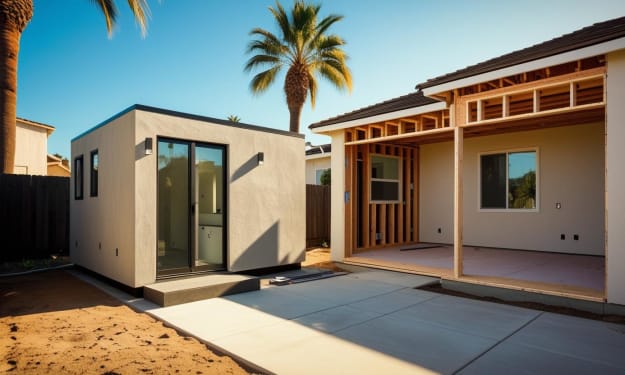
Room Additions vs. ADUs in California: What’s the Best Fit for Your Property?
As California homeowners look for ways to increase property value, accommodate growing families, or generate rental income, two options dominate the conversation: room additions and accessory dwelling units (ADUs). While both add square footage and functionality, the differences in cost, regulation, usage, and design are significant.
By Jared Benning9 months ago in 01
The Message on Her Phone
The Night Everything Changed In 2023, Arjun believed his life was finally stable after years of struggle, because he had a steady job, a comfortable apartment, and a wife he trusted completely, yet what he did not realize was that the device sitting quietly on the kitchen table that night would reveal a truth he had never imagined facing. The evening had been ordinary, filled with routine conversations about groceries, work stress, and weekend plans, and nothing about the calm atmosphere hinted that within minutes his entire perception of his marriage would begin to collapse.
By The Curious Writer3 days ago in 01


Comments
There are no comments for this story
Be the first to respond and start the conversation.