
What is PTSA Monohydrate and How is It Used in Chemical Synthesis
Discover what PTSA Monohydrate is, its role in chemical synthesis, and how to use it effectively and safely in real-world applications. A must-read for students, lab workers, and professionals.

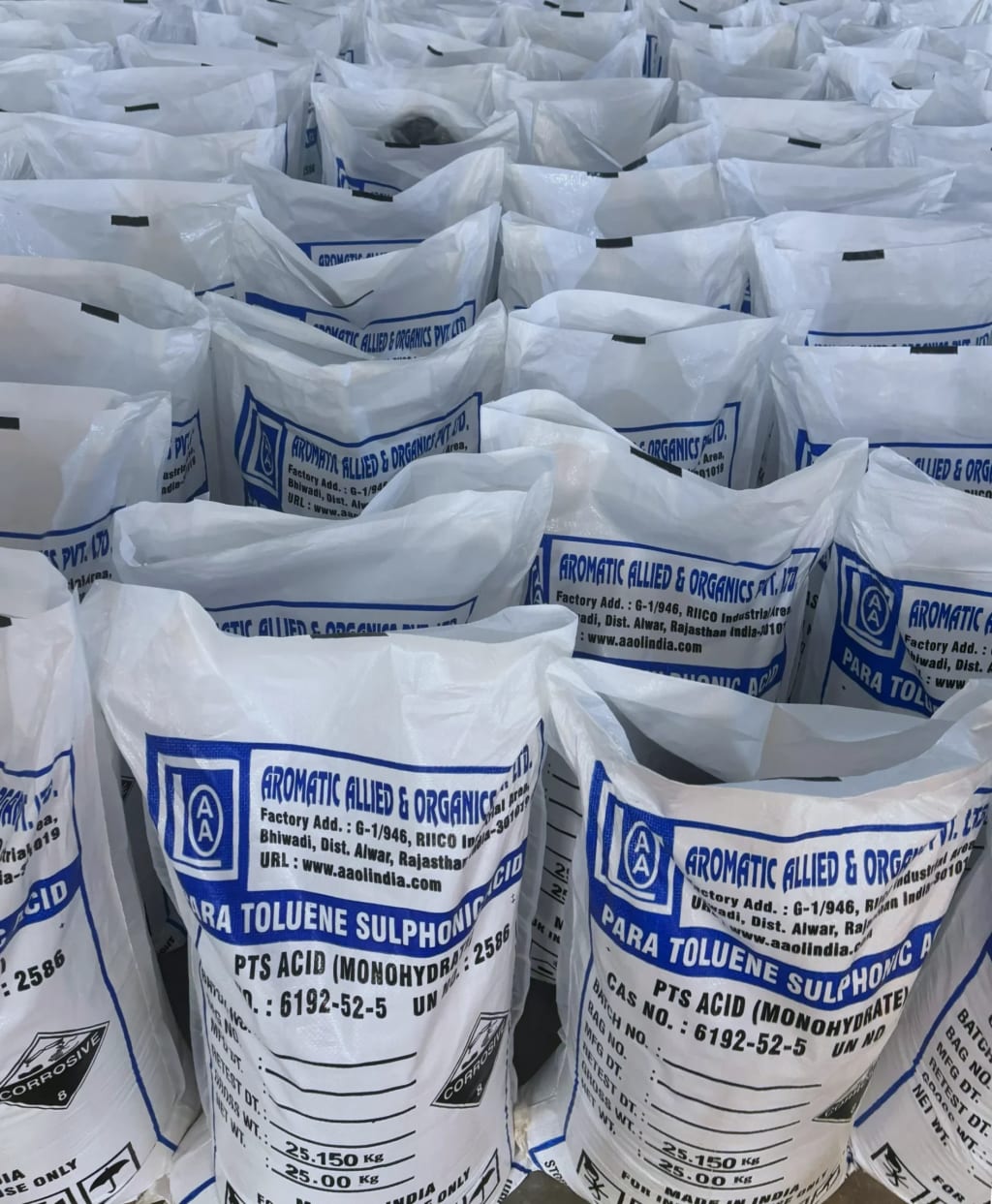
Introduction: Understanding Ptsa Monohydrate
If you’ve ever worked in a chemistry lab or studied organic reactions, you may have come across Ptsa or Ptsa Monohydrate. Short for para-Toluenesulfonic acid monohydrate, this strong organic acid is a widely used catalyst in the chemical industry. Known for its effectiveness and stability, Ptsa plays a key role in various synthesis processes.
In this post, we’ll break down what Ptsa Monohydrate is, why it's used, and how you can work with it efficiently and safely.
What is Ptsa Monohydrate
Ptsa Monohydrate is the monohydrate form of para-Toluenesulfonic acid (PTSA) — a white crystalline powder that is highly soluble in water and organic solvents. It’s considered a strong organic acid, almost as powerful as sulfuric acid, but with better handling properties.
Key Properties:
Chemical formula: C₇H₈SO₃H·H₂O
Molecular weight: 190.22 g/mol
Solubility: Easily dissolves in water, alcohol, and other polar solvents
Stability: Non-volatile and stable under normal conditions
Why Ptsa Monohydrate is Used in Chemical Synthesis
Ptsa Monohydrate is mainly used as a solid acid catalyst. It speeds up chemical reactions without being consumed, making it reusable in many cases.
Advantages of Using Ptsa:
- Strong acidity without corrosive fumes
- High solubility in polar solvents
- Easy to handle compared to mineral acids
- Suitable for moisture-sensitive reactions due to its stable monohydrate form
Common Applications in Chemical Synthesis
Let’s take a look at where and how Ptsa is used in practical chemical processes:
1. Esterification Reactions
Ptsa catalyzes the reaction between carboxylic acids and alcohols to form esters — a common step in producing plastics, flavors, and fragrances.
Example:
In the synthesis of ethyl acetate, Ptsa helps achieve higher yields with fewer side products than traditional acids.
2. Acetal and Ketal Formation
Ptsa promotes the protection of carbonyl groups by forming acetals or ketals. This step is crucial in multi-step organic syntheses.
3. Polymerization Catalysis
In the manufacture of resins and polyesters, Ptsa acts as a catalyst to start and control the polymer chain reaction.
4. Dehydration Reactions
Ptsa helps remove water in chemical reactions, making it useful for synthesizing ethers or driving reactions to completion.
How to Use Ptsa Monohydrate Safely and Effectively
Even though Ptsa is safer than some mineral acids, proper handling is still essential.
Basic Safety Checklist:
- Wear gloves, goggles, and a lab coat
- Work in a well-ventilated area
- Store in a cool, dry place away from bases or reactive metals
- Use appropriate containers (non-metallic, acid-resistant)
Tips for Use in the Lab:
Measure accurately: Overuse can lead to unwanted side reactions.
Monitor pH: Ptsa can drastically lower pH; adjust buffer systems if needed.
Recycle if possible: Ptsa can be recovered from some reaction mixtures.
Expert Insight: When to Choose Ptsa Over Other Acids
According to Dr. Ananya Rao, an industrial chemist with over 15 years in synthesis development:
“Ptsa Monohydrate is ideal when you need strong acidity in a clean and manageable form. I prefer it over sulfuric acid in esterifications and resin production because it’s easier to purify and doesn’t add moisture.”
A Step-by-Step Guide: Using Ptsa in Esterification
If you’re planning to carry out a basic esterification reaction, here’s a simplified process:
Combine reactants: Mix carboxylic acid and alcohol in the correct molar ratio.
Add Ptsa Monohydrate: Usually 1–5% molar ratio works well.
Heat the mixture: Use reflux conditions (typically 60–80°C).
Remove water: Use a Dean-Stark trap or add molecular sieves.
Cool and purify: After completion, cool the mix and purify the ester by distillation or extraction.
Conclusion: The Practical Choice for Modern Chemistry
Ptsa Monohydrate is more than just a strong acid — it’s a reliable tool in chemical synthesis. From esterification to polymer production, its ease of use and consistent results make it a go-to catalyst in labs and factories alike.
Whether you’re a student learning the ropes or an industry professional optimizing processes, understanding how to use Ptsa effectively can improve yields, simplify reactions, and make your synthesis more efficient.
About the Creator
Shraddha Mahajan
I am a content marketing virtuoso, writing for the home decor niche, who travels the world, delivering global touches of elegance and inventiveness in every tale enriched by this vivid mosaic of my international life.
Keep reading
More stories from Shraddha Mahajan and writers in 01 and other communities.
What is PTSA? Everything You Need to Know About Para-Toluenesulfonic Acid
What Is PTSA? PTSA stands for Para-Toluenesulfonic Acid, a white crystalline organic acid derived from toluene. It belongs to a group of sulfonic acids and is known for its strong acidity and excellent solubility in organic solvents. PTSA is often used in its monohydrate form, making it easier to handle and store.
By Shraddha Mahajan9 months ago in 01
How Natural Language Processing in Healthcare Is Turning Clinical Data Into Smarter Care Decisions
Healthcare organizations generate enormous volumes of unstructured data every day. Clinical notes, discharge summaries, lab reports, medical literature, and patient feedback collectively create a massive information ecosystem. Unfortunately, much of this data remains underutilized because it is written in natural language rather than structured formats. This is where natural language processing in healthcare is transforming how healthcare systems interpret and use medical information.
By Steve Waugh3 days ago in 01




Comments (1)
This article on Ptsa Monohydrate is really informative. I've used catalysts in my work, and it's interesting to learn about this one. You mention it's great for esterification. Have you ever tried using it in a lab setup? I wonder how it compares to other catalysts in terms of reaction speed and product purity. Also, what are some challenges you might face when working with Ptsa Monohydrate?