
What is PTSA? Everything You Need to Know About Para-Toluenesulfonic Acid
What Is PTSA?

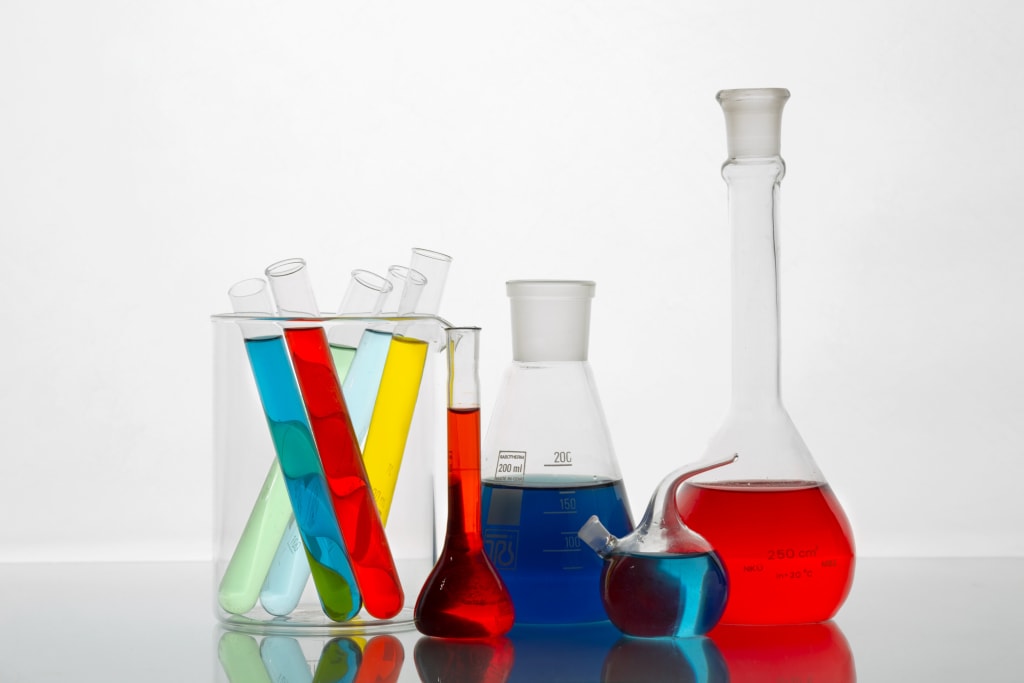
What Is PTSA?
PTSA stands for Para-Toluenesulfonic Acid, a white crystalline organic acid derived from toluene. It belongs to a group of sulfonic acids and is known for its strong acidity and excellent solubility in organic solvents. PTSA is often used in its monohydrate form, making it easier to handle and store.
Key Properties of PTSA (PTSC Chemical)
Chemical Formula: C₇H₈SO₃H
Appearance: White to off-white crystalline powder
Solubility: Soluble in water, alcohols, and polar organic solvents
Acidity: Stronger than acetic acid
Stability: Stable under normal conditions
These properties make PTSA an ideal catalyst and reagent for several chemical processes.
Common Uses of PTSA in Industry
PTSA or PTSC Chemical has a wide range of applications across multiple industries due to its effectiveness and stability.
1. Catalyst in Organic Synthesis
PTSA is widely used as an acid catalyst in esterification and acetalization reactions. It helps speed up chemical reactions without being consumed, making it efficient and cost-effective.
Example: In pharmaceutical manufacturing, PTSA aids in synthesizing esters and other complex molecules.
2. Curing Agent for Thermosetting Resins
PTSA is commonly used in the plastic and resin industries as a curing agent. It helps in forming durable, heat-resistant materials.
Expert Insight: Manufacturers of epoxy and phenolic resins often prefer PTSA due to its strong catalytic properties and compatibility with a wide range of materials.
3. Surface Treatment and Electroplating
In metal finishing, PTSA plays a role in cleaning and treating surfaces before plating. It enhances adhesion and improves the final product quality.
4. Dye and Pigment Manufacturing
PTSA acts as a catalyst or reaction promoter in dye manufacturing, especially for producing bright and long-lasting colors.
Advantages of Using PTSA
- High Efficiency: Speeds up chemical reactions effectively
- Cost-Effective: Requires small quantities to produce results
- Versatile: Suitable for a broad range of applications
- Safe to Handle: Especially in its monohydrate form
- Non-Volatile: Doesn’t evaporate easily, making it more stable
Safety Tips When Handling PTSA
While PTSA is relatively safe, it is still a strong acid and should be handled with care.
Basic Safety Checklist:
✅ Use protective gloves and safety goggles
✅ Ensure proper ventilation in work areas
✅ Store in a cool, dry place away from moisture
✅ Avoid skin contact and inhalation
✅ In case of contact, wash thoroughly with water
Pro Tip: Always refer to the Material Safety Data Sheet (MSDS) provided by the manufacturer for detailed safety protocols.
How to Select the Right PTSA Supplier
When sourcing PTSA or PTSC Chemical, consider the following:
- Purity Levels: High-purity PTSA gives better results
- Form: Monohydrate vs. anhydrous based on application
- Packaging: Ensure it’s sealed and moisture-resistant
- Reputation: Choose suppliers with good industry feedback
- Compliance: Look for ISO certifications and safety documentation
Real-World Application: A Case Study
A resin manufacturer in Gujarat faced issues with slow curing times and inconsistent product quality. After switching to a high-purity PTSA catalyst from a trusted PTSC chemical supplier, they reduced curing time by 30% and improved overall resin durability. This is a perfect example of how PTSA can directly improve manufacturing efficiency.
Final Thoughts
PTSA, or Para-Toluenesulfonic Acid, is an indispensable PTSC chemical that plays a key role in a wide range of industrial processes. From acting as a catalyst in chemical synthesis to enhancing the durability of thermosetting resins, its benefits are wide-ranging and proven. Understanding its properties, applications, and safety can help professionals make better choices in their operations.
If you're in the chemical, pharmaceutical, or manufacturing space, keeping PTSA on your radar is not just useful — it’s essential.
About the Creator
Shraddha Mahajan
I am a content marketing virtuoso, writing for the home decor niche, who travels the world, delivering global touches of elegance and inventiveness in every tale enriched by this vivid mosaic of my international life.
Keep reading
More stories from Shraddha Mahajan and writers in 01 and other communities.
What is PTSA Monohydrate and How is It Used in Chemical Synthesis
Introduction: Understanding Ptsa Monohydrate If you’ve ever worked in a chemistry lab or studied organic reactions, you may have come across Ptsa or Ptsa Monohydrate. Short for para-Toluenesulfonic acid monohydrate, this strong organic acid is a widely used catalyst in the chemical industry. Known for its effectiveness and stability, Ptsa plays a key role in various synthesis processes.
By Shraddha Mahajan10 months ago in 01
ICO Marketing Explained: A Beginner’s Roadmap for 2026
The blockchain industry continues to evolve rapidly, and Initial Coin Offerings (ICOs) remain one of the most powerful fundraising mechanisms for blockchain startups and Web3 projects. Even though the crypto market has matured significantly over the past decade, ICOs in 2026 are experiencing a resurgence due to improved regulatory clarity, stronger investor protection frameworks, and advanced marketing technologies that help projects reach a global audience. However, launching a successful ICO is not just about developing a great blockchain product; it requires a well-structured marketing strategy that builds trust, generates awareness, and attracts the right investors. ICO marketing has transformed dramatically compared to the early days of crypto fundraising. In the past, many projects relied on hype and aggressive promotion to raise funds, but today's investors are far more informed and cautious. They expect transparency, detailed roadmaps, credible teams, and strong community engagement before investing in a token sale. As a result, ICO marketing in 2026 focuses on strategic storytelling, community building, influencer collaborations, data-driven campaigns, and regulatory compliance.
By Jack santo6 days ago in 01
Taxi Booking App Development Cost: Full Guide (2026)
Building a ride-sharing platform today is like trying to fix a plane while it is flying. You want a piece of that Uber pie, but the entry price is steep. I have seen founders dump six figures into a "simple" app only to watch it crash during the first load test.
By Sherry Walker7 days ago in 01
A Transparent Look at Vocal Challenges and Top Stories
Almost three years ago, we shared a resource article that served as a place for people to suggest new challenge prompts. We thought it would be a good idea to refresh that thread, and take the opportunity to answer a few common questions about top stories, how challenges are judged and how submissions are reviewed.
By Vocal Curation Team3 days ago in Resources


Comments