
What Is Identity Verification in Cybersecurity?
Understanding how identity verification protects systems, users, and data

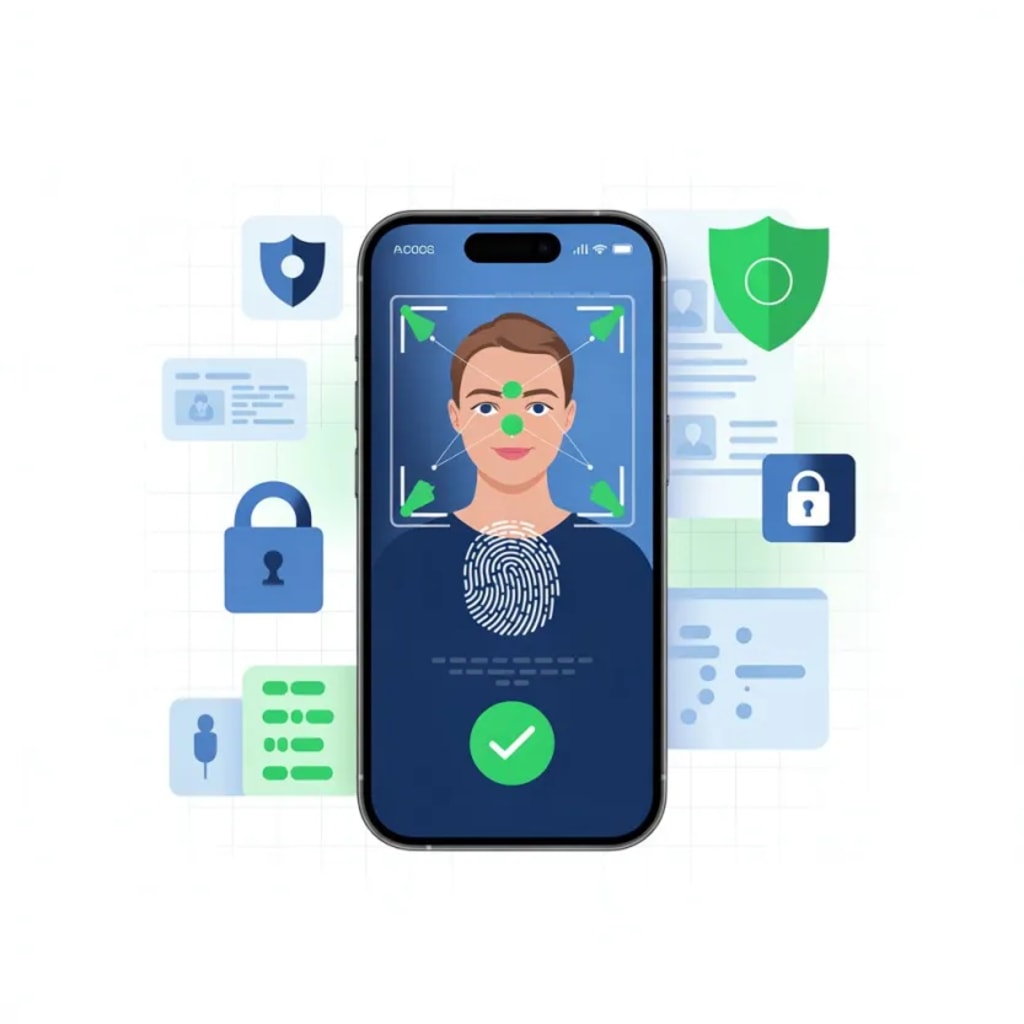
Identity verification in cybersecurity is the process of confirming that a user, device, or system is genuinely who or what it claims to be before granting access to digital resources. As cyber threats continue to grow in complexity, identity verification has become a foundational element of modern cybersecurity strategies, helping organizations protect sensitive data, systems, and users from unauthorized access and fraud.
Understanding Identity Verification in Cybersecurity
In cybersecurity, identity verification goes beyond simply checking a username and password. It involves validating identities using multiple factors such as personal information, official documents, biometrics, and behavioral data. The purpose is to ensure that only authorized individuals or entities can access networks, applications, and sensitive information.
Identity verification is often the first line of defense against cyberattacks, as many security breaches begin with compromised or stolen identities.
How Identity Verification Works
Identity verification in cybersecurity typically involves a combination of the following methods:
Knowledge-Based Verification
This includes information only the user should know, such as passwords, PINs, or answers to security questions.
Possession-Based Verification
This verifies something the user has, such as a one-time password (OTP), security token, smart card, or mobile device.
Biometric Verification
Biometrics use unique physical or behavioral traits such as fingerprints, facial recognition, voice recognition, or iris scans.
Behavioral Analysis
Advanced systems analyze user behavior patterns—like typing speed, login location, or device usage—to detect anomalies that may indicate fraud.
These methods are often combined in multi-factor authentication (MFA) to strengthen security.
Why Identity Verification Is Critical in Cybersecurity
Identity verification plays a crucial role in protecting digital environments. Cybercriminals frequently exploit weak authentication methods to gain unauthorized access, steal data, or disrupt systems. By implementing strong identity verification processes, organizations can significantly reduce these risks.
Identity verification also supports a Zero Trust security model, where no user or device is trusted by default, even if they are inside the network. Every access request must be verified before approval.
Key Benefits of Identity Verification in Cybersecurity
1. Prevents Unauthorized Access
Identity verification ensures that only legitimate users can access systems, applications, and sensitive data.
2. Reduces Identity-Based Attacks
Many cyberattacks, such as phishing, credential stuffing, and account takeover, rely on stolen credentials. Strong verification minimizes their success.
3. Protects Sensitive Data
By verifying identities before granting access, organizations can safeguard personal, financial, and confidential information.
4. Enhances Regulatory Compliance
Industries such as finance, healthcare, and government must comply with strict regulations related to data protection and identity management. Identity verification helps meet these requirements.
5. Improves Trust and Accountability
Verified identities create a secure digital environment where user actions can be tracked and audited, increasing accountability.
Common Use Cases of Identity Verification in Cybersecurity
Enterprise Network Access
Organizations verify employee identities before allowing access to internal systems, cloud platforms, or remote work environments.
Online Banking and Financial Systems
Banks and fintech platforms use identity verification to protect accounts, authorize transactions, and prevent financial fraud.
Healthcare Systems
Hospitals and digital health platforms verify patient and staff identities to protect medical records and comply with privacy regulations.
E-commerce and Online Platforms
Online businesses verify users to prevent fake accounts, payment fraud, and unauthorized access.
Government and Public Services
Government portals rely on identity verification to secure citizen data and prevent misuse of public services.
Challenges in Identity Verification
Despite its importance, identity verification in cybersecurity faces several challenges. Cybercriminals continuously develop new techniques such as deepfakes, synthetic identities, and social engineering attacks. Additionally, organizations must balance strong
security with user convenience, as overly complex verification processes can negatively impact user experience.
Privacy concerns are another challenge, as identity verification systems handle sensitive personal and biometric data. Ensuring data protection and transparency is essential to maintain user trust.
The Future of Identity Verification in Cybersecurity
The future of identity verification lies in advanced technologies such as artificial intelligence, machine learning, and decentralized identity solutions. These innovations aim to improve accuracy, detect fraud in real time, and reduce reliance on passwords.
Passwordless authentication, continuous verification, and behavioral biometrics are becoming increasingly popular as organizations seek stronger and more user-friendly security solutions.
Conclusion
Identity verification is a cornerstone of cybersecurity. It protects systems from unauthorized access, reduces identity-based threats, and ensures compliance with regulatory standards. As digital ecosystems expand and cyber threats evolve, robust identity verification will remain essential for maintaining secure, trusted, and resilient digital environments. Organizations that invest in strong identity verification strategies are better equipped to defend against modern cyber risks and protect their users and data.
About the Creator
Amir Hamza
Amir Hamza is an acclaimed author known for his insightful and evocative storytelling. His work explores themes of identity, resilience, and societal dynamics, captivating readers with its depth and authenticity. Email:
Keep reading
More stories from Amir Hamza and writers in 01 and other communities.
What Is a Spangram and How Does It Impact Your Strands Gameplay?
Do you know that Strands are a well-known word game that sometimes feels like a challenging puzzle? If you are a fan of Strands, the addictive word puzzle game, you have likely come across the term Spangram. But what exactly is a Spangram, and how does it influence your gameplay?
By Amir Hamza4 months ago in Gamers
AI Agents in Action: Why Your Bot Still Sucks in 2026
I woke up this morning to my agent arguing with a flight carrier. It was glorious. No, seriously. In early 2024, we were all just playing with chatbots that hallucinated legal advice. Now, seeing ai agents in action is like watching a digital concierge with a chip on its shoulder.
By Sherry Walkera day ago in 01
Instacart VS DoorDash
The on-demand delivery space has exploded over the past decade, with dozens of apps competing for your attention and wallet. Among them, two names consistently rise to the top: Instacart and DoorDash. While both deliver items to your doorstep, they operate quite differently—and choosing between them can significantly impact your convenience, budget, and overall experience.
By Ashish Sudraabout 3 hours ago in 01




Comments
There are no comments for this story
Be the first to respond and start the conversation.