
What is a Root Canal Treatment and When is it Necessary?
Root Canal Melbourne,Root Canal Treatment
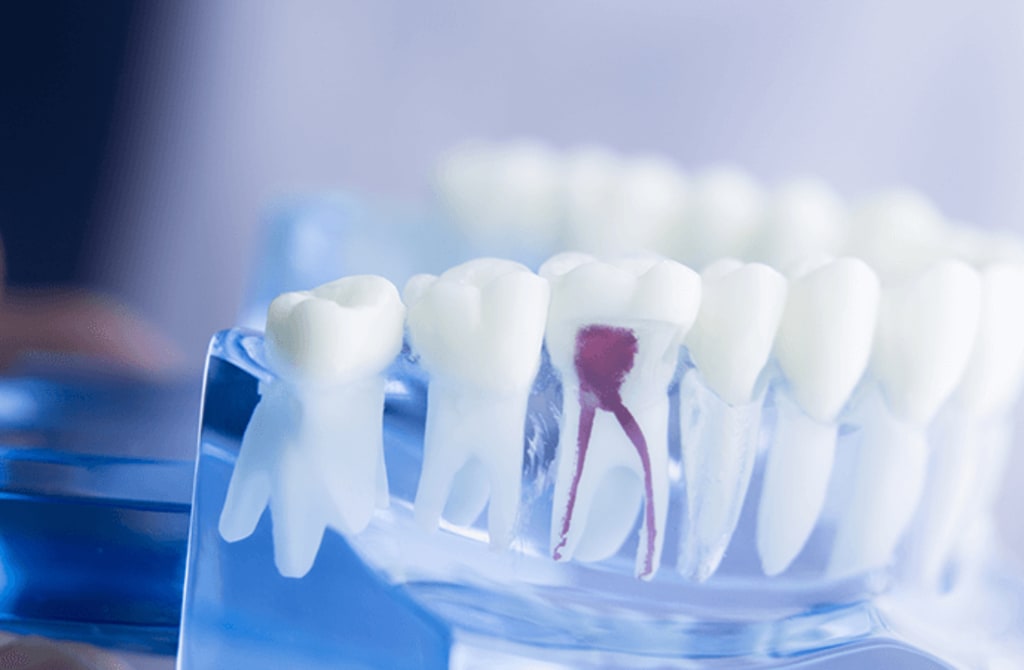
Root canal treatment is a dental procedure that is often performed when the innermost part of the tooth, the pulp, becomes infected or inflamed. It involves removing the damaged or infected pulp and filling the space with a special material to seal it and protect the tooth.
When the pulp of a tooth becomes infected or inflamed, it can cause a range of symptoms, including pain, sensitivity to hot and cold, swelling, and tenderness. If left untreated, the infection can spread to the surrounding tissues and even to other parts of the body, causing serious health problems.
Root canal Melbourne treatment is necessary when the pulp of a tooth is damaged or infected and cannot be saved through other means, such as a filling or a crown. Common causes of pulp damage include:
- Deep decay: If a cavity is left untreated, the decay can reach the pulp of the tooth and cause an infection.
- Trauma: A tooth that has been chipped, cracked, or broken can expose the pulp and make it vulnerable to infection.
- Gum disease: Advanced gum disease can cause the gums to pull away from the teeth, creating pockets where bacteria can accumulate and cause an infection.
- Repeated dental procedures: If a tooth has undergone multiple dental procedures, it can weaken and become more susceptible to infection.

Root canal treatment is a relatively common dental procedure, with millions of procedures performed each year. Despite its reputation as a painful and unpleasant procedure, advances in dental technology and anesthesia have made it a relatively painless and quick procedure.
Here's what you can expect during a typical root canal treatment:
- X-rays: Before the procedure, your dentist will take X-rays of the affected tooth to determine the extent of the damage and plan the treatment.
- Anesthesia: You will be given a local anesthetic to numb the area around the affected tooth. This will ensure that you do not feel any pain during the procedure.
- Access to the pulp: Your dentist will make a small hole in the top of the tooth to access the pulp.
- Removal of the pulp: Using special instruments, your dentist will remove the damaged or infected pulp from the tooth.
- Cleaning and shaping the root canals: Once the pulp has been removed, your dentist will clean and shape the root canals to prepare them for the filling material.
- Filling the root canals: Your dentist will fill the root canals with a special material to seal them and prevent further infection.
- Temporary filling: A temporary filling will be placed in the tooth to protect it until a permanent filling or crown can be placed.
- Follow-up appointment: You will need to schedule a follow-up appointment with your dentist to have a permanent filling or crown placed.
While root canal treatment has a reputation for being painful, most people report only mild discomfort during and after the procedure. Your dentist may recommend over-the-counter pain relievers or prescribe medication to help manage any discomfort. In addition to relieving pain and discomfort, root canal treatment has a number of other benefits, including:
- Saving the tooth: By removing the damaged or infected pulp and filling the space with a special material, root canal treatment can save a damaged or infected tooth from extraction.
- Protecting the surrounding teeth: By saving the affected tooth, root canal treatment can help protect the surrounding teeth from damage and infection.
- Restoring normal chewing and biting: By repairing a damaged or infected tooth, root canal treatment can restore normal chewing and biting function.
- Improving overall health: By removing the source of infection, root canal treatment can help improve overall health and prevent the spread of infection to other parts of the body.
The Benefits of Root Canal Treatment for Your Oral Health
Maintaining good oral health is essential for overall health and well-being. Our teeth and gums play a crucial role in our ability to eat, speak, and smile confidently. However, there are times when our teeth may become damaged or infected, leading to pain, discomfort, and potentially serious health complications. Root canal treatment is a dental procedure that can help restore damaged teeth and prevent further infection. In this blog, we will explore the benefits of root canal treatment for your oral health.
Saves a Damaged or Infected Tooth
One of the main benefits of root canal treatment is that it can save a damaged or infected tooth from extraction. When a tooth becomes severely decayed or infected, it may need to be removed to prevent the spread of infection. However, removing a tooth can have negative consequences for your oral health, such as shifting of surrounding teeth, gum disease, and bone loss. Root canal treatment can help save a tooth by removing the infected or damaged pulp and filling the space with a special material to seal it. In conclusion, root canal treatment is a necessary dental procedure that can save a damaged or infected tooth from extraction. For more details Contact Us now
About the Creator
Keep reading
More stories from writers in 01 and other communities.
After the Storm
After the storm of winter snow there sat a small bear by the name Ted, of course. He loves the snow and likes to roll around in it making all sorts of trails and whatever he has a mind to do. He wondered where all the people are, but in a way, he is hoping that they are all snug in the homes maybe drinking hot chocolate-one of his favorite drinks with mini-marshmallows and eating something homemade for he likes this winter wonderland all to himself to romp and play and maybe even catch some fish down by the river.
By Mark Graham3 days ago in Fiction




Comments
There are no comments for this story
Be the first to respond and start the conversation.