
What COVID-19 Taught Us About the Future
What the pandemic revealed about our vulnerabilities and the critical steps needed to face the next outbreak.

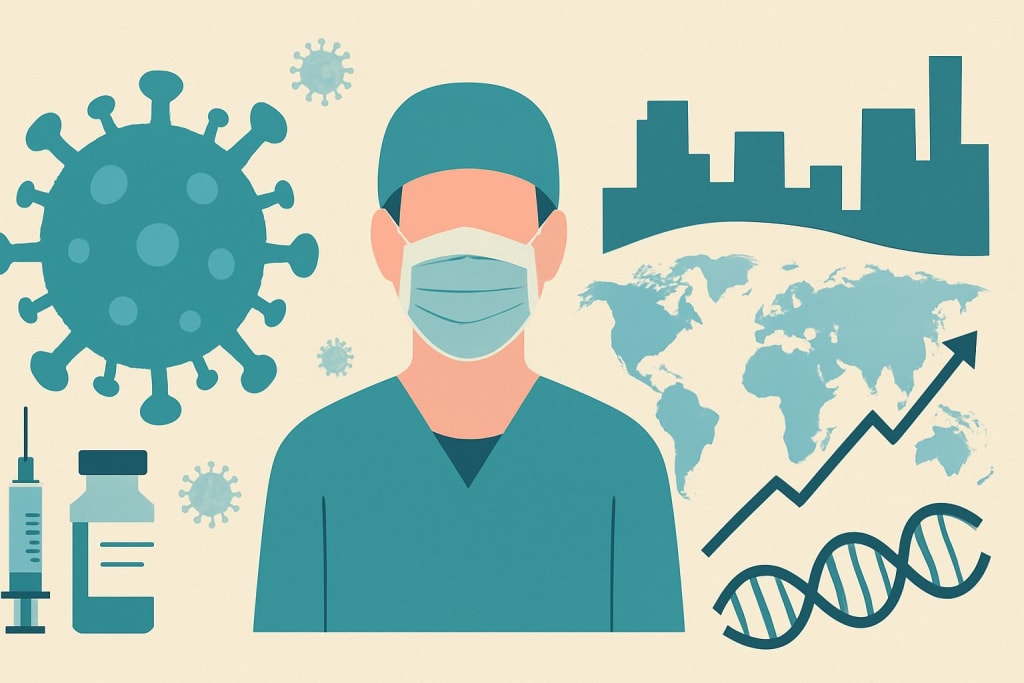
Late in 2019, a baffling virus from Wuhan, China, broke out, altering the course of modern history. Millions of people lost their lives, economies were crippled, and our way of life, work, and social interaction were reshaped because of COVID-19's rapid spread into the entire world. One thing is certain: COVID-19 won't be the last pandemic we face, even as the world continues to heal and rebuild.
It is essential to evaluate what we have learned and how we can better prepare for future pandemics as scientists, governments, and communities consider the unprecedented challenges of the past few years. The impact of COVID-19 and the path toward global readiness are examined in greater detail here.
The Global Impact of COVID-19
COVID-19's human toll is staggering. Over 6.9 million deaths had been reported worldwide by 2023, with millions more likely to have been unreported or indirectly caused by the virus. Front-line workers were put to the limit in health systems, and supply chains for everything from medical supplies to groceries buckled under the strain.
The impact on the economy was just as significant as the one on health. The number of unemployed people rose dramatically, and global markets experienced wild swings. Schools went online, social activities stopped, and mental health problems got worse. In many ways, COVID-19 not only revealed but also widened the gaps in our global systems.
Lessons from the Pandemic
Global Health Infrastructure Needs Reinforcement
Even in some of the world's wealthiest nations, COVID-19 demonstrated the fragility of healthcare systems. There were a lot of headlines about overcrowded hospitals, inadequate PPE, and insufficient ICU beds. Investments in public health infrastructure—not just reactive care but also preventative strategies, rapid diagnostics, and equitable healthcare access—are necessary for future readiness.
Vaccine Development Must Be Faster and Fairer
The development of the COVID-19 vaccine moved at an incredible rate. Platforms like mRNA vaccines, which had been studied for years, finally made their way to the mainstream. The global distribution, on the other hand, told a different story. While many nations with lower incomes were left behind, wealthy nations obtained vast supplies. The idea of "vaccine nationalism" emphasized the need for stronger international agreements to deal with future crises, equitable access, and global cooperation.
Data Transparency and Communication Are Critical
In a pandemic, information can be life-saving—or deadly if mishandled. Conspiracy theories and false information spread almost as quickly as the virus itself. Government transparency, clear public health messaging, and social media accountability are crucial tools in maintaining public trust and compliance in future outbreaks.
Pandemic Preparedness Is Not Optional
Most nations were unprepared for a crisis of this magnitude, despite years of warnings from epidemiologists. Stockpiles of essential supplies were insufficient, and emergency response strategies were outdated. The lesson here is simple: preparedness is not a luxury. It is a requirement.
The Origins of Future Threats
It is unlikely that COVID-19 will occur once. Future pandemics, according to experts, are not only possible but also probable. The risk is being exacerbated by several factors:
- Urbanization and population density: More people in closer proximity means faster virus transmission.
- Climate change: Warming temperatures are expanding the range of disease-carrying animals and insects.
- Global travel: A virus in one country can be on the other side of the world in less than 24 hours.
- Wildlife-human interaction: Zoonotic diseases—those that spread from animals to humans—are becoming more prevalent as humans invade natural habitats.
Viruses like Ebola, SARS, MERS, and even avian flu are warnings of what’s to come. The world must be prepared for the increasing frequency of these "spillover events."
Technologies Shaping the Future of Pandemic Response
Innovation was accelerated in previously unheard-of ways by the pandemic. The following technologies may influence how we respond to future pandemics:
- mRNA Vaccine Platforms: These can be tailored to new pathogens more effectively than conventional vaccines because they are adaptable and quickly developed.
- Genomic Surveillance: Tools like CRISPR and AI can track virus mutations in real time, allowing for faster containment strategies.
- Telemedicine: During the pandemic, digital healthcare flourished and will continue to provide doctors in underserved areas with remote access.
- Contact Tracing Apps and Digital Passports: These tools could help contain outbreaks in their early stages if used ethically, despite privacy concerns.
The Role of Global Cooperation
COVID-19 was a global issue that required a global response. Sadly, the responses frequently lacked unity. From vaccine hoarding to travel bans to political finger-pointing, the absence of cohesive strategy was evident.
Countries must work together, not compete, to effectively combat future pandemics. Organizations like the WHO, CEPI, and GAVI play pivotal roles in coordinating global health responses, but they need more funding, independence, and support. Treaties against pandemics that place an emphasis on working together, sharing data, and quickly mobilizing resources could aid in preventing the subsequent outbreak.
Preparing as Individuals
Governments and institutions play critical roles, but individuals can also contribute to pandemic preparedness:
- Stay informed from credible sources like the CDC and WHO.
- Support science and healthcare funding through voting and advocacy.
- Maintain basic hygiene habits like handwashing and staying home when sick.
- Be open to vaccination and public health guidelines when new threats emerge.
Awareness and personal responsibility are vital links in the chain of preparedness.
Conclusion: The Time to Prepare is Now
If there’s one lesson COVID-19 has taught us, it’s that life can change overnight. We cannot afford complacency. The virus highlighted human resilience, scientific brilliance, and the power of global solidarity when we choose to act together, in addition to revealing vulnerabilities.
The next pandemic may not wait decades. It could arrive in months or years. However, we will not be caught off guard once more. We can not only survive the subsequent pandemic but also be prepared for it by taking lessons from COVID-19, investing in science, and working together across borders.
About the Creator
Morsalin Russell
I’m a passionate writer with a knack for dissecting the issues that matter. Whether it’s culture, politics, or everyday life, I don’t just observe—I take a stand. My articles are more than just words; they also provoke thought.
Keep reading
More stories from Morsalin Russell and writers in 01 and other communities.
Empire, Chains, and Blood: The Unholy Trinity of Imperialism, Oppression, and Genocide
Throughout history, the pursuit of power has led to some of humanity’s most brutal chapters. Imperialism—the expansion of nations through domination—has been a driving force behind political oppression and genocide. From the colonization of the Americas to the scramble for Africa, from the Holocaust to modern-day atrocities, the pattern remains the same: powerful nations and regimes exploit, suppress, and exterminate those who stand in their way.
By Morsalin Russell11 months ago in The Swamp
Grocery App Development Cost: Your 2026 Price Guide
Building a software product today feels like trying to hit a moving target while riding a unicycle. I reckon you have noticed how fast things change. Just a few years ago, we were happy with a simple list and a checkout button.
By Sherry Walker3 days ago in 01




Comments (2)
Nice
We learned some hard lessons from COVID-19, but it also demonstrated the power of science and global unity. Preparation is essential because the next pandemic is not a question of "if," but rather "when." What’s one change you think would make the biggest difference in pandemic readiness? Let's talk about it in the comments!