
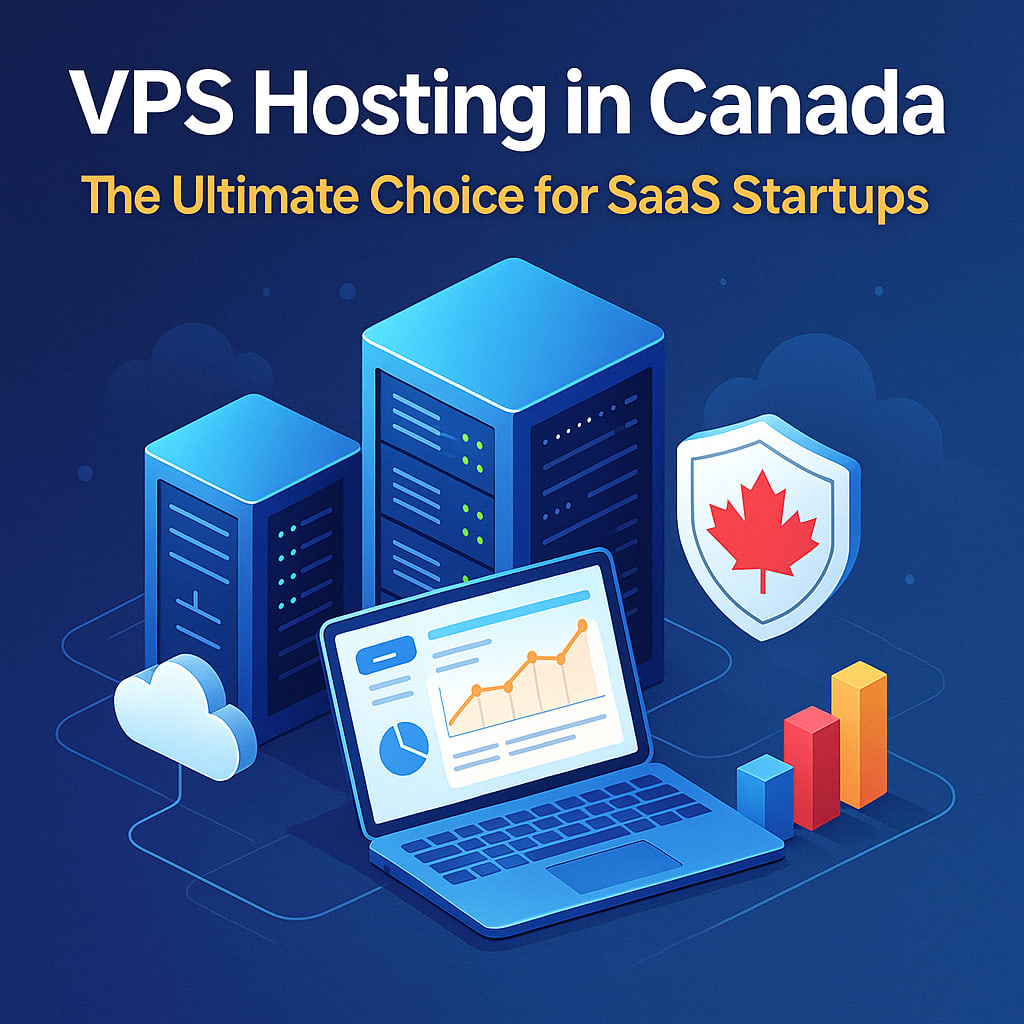
VPS Hosting in Canada: The Ultimate Choice for SaaS Startups
Building Scalable, Compliant, and High-Performance SaaS Platforms on Canadian VPS Infrastructure
Introduction: Hosting as a Strategic Decision
Choosing the right hosting infrastructure is a pivotal strategic decision for any SaaS startup, not a mere technical afterthought. Where and how you host your SaaS application can impact everything from user trust and performance to legal compliance and cost control. A thoughtfully selected hosting environment serves as a foundation for growth: - Customer Trust & Compliance: Hosting in a region with strict privacy standards (like Canada) demonstrates respect for user data privacy, which can be a strong trust signal in the post-GDPR era. - Performance & Reliability: Latency, uptime, and scalability directly influence user experience and retention. Even a one-second delay in response time can measurably hurt conversions and user satisfaction. - Legal & Compliance Risks: Ignoring data sovereignty or residency requirements can lead to regulatory fines or lost contracts, especially for startups handling sensitive data. - Cost Management: The right hosting should scale predictably without surprise expenses, enabling startups to plan budgets confidently.
Too often, founders pick a generic cloud or an ill-fitting hosting plan without due diligence. The result? High latency, unmet compliance needs, or ballooning bills from hidden charges. In contrast, adopting VPS hosting for SaaS can give you a core competitive advantage – offering low latency for Canadian and North American users, straightforward compliance with local data laws, and transparent, predictable pricing.

What is VPS Hosting (and Why SaaS Startups Love It)
A Virtual Private Server is a hosting environment where a powerful physical server is partitioned into multiple isolated virtual servers using virtualization software (a hypervisor). Each VPS operates as an independent server with its own allocated CPU cores, RAM, storage, and bandwidth. In essence, VPS hosting blends the best of shared and dedicated hosting: - Like Shared Hosting: It’s cost-efficient, since resources on one physical machine are shared among multiple users. - Like Dedicated Servers: It provides full control and isolation – you get root access, dedicated slices of resources, and the freedom to configure the server to your needs.
For SaaS startups, this combination is particularly appealing. Complex SaaS applications often require custom server configurations, specific runtime environments (e.g. Node.js, Python), robust databases, and stringent security measures. VPS hosting for SaaS offers an architectural fit for these needs – it’s more affordable than a full dedicated server yet avoids the limitations of basic shared hosting. You can install custom software, optimize performance, and tighten security as needed, all in an environment isolated from “noisy neighbors” that might affect your app’s performance.
Key Benefits of VPS Hosting for SaaS Startups
VPS hosting isn’t just about more resources – it aligns closely with the performance, scaling, and compliance demands of modern SaaS companies. Some of the standout benefits include:
- Deterministic Performance: With a VPS, your allocated CPU, memory, and storage are yours alone, so your app won’t slow down due to other tenants on the server. This ensures consistent response times and reliability. Every API call or user action can execute without random lag, which helps maintain a smooth user experience even as load increases.
- Full Root Control & Customization: Unlike restrictive shared plans, a VPS gives you root-level access to the operating system. SaaS teams can install custom libraries, choose specific database engines (e.g. PostgreSQL, MongoDB), and configure advanced security measures (firewalls, intrusion detection, etc.). This flexibility is invaluable for optimizing performance and security based on your application’s unique architecture.
- Blazing-Fast I/O Speeds: Many modern VPS providers use high-performance storage like NVMe SSDs for extremely fast disk read/write throughput. Faster I/O means your SaaS application can handle real-time transactions and heavy database queries without bottlenecks. High-speed storage and network connectivity translate into snappier load times for users and the ability to process large data sets quickly.
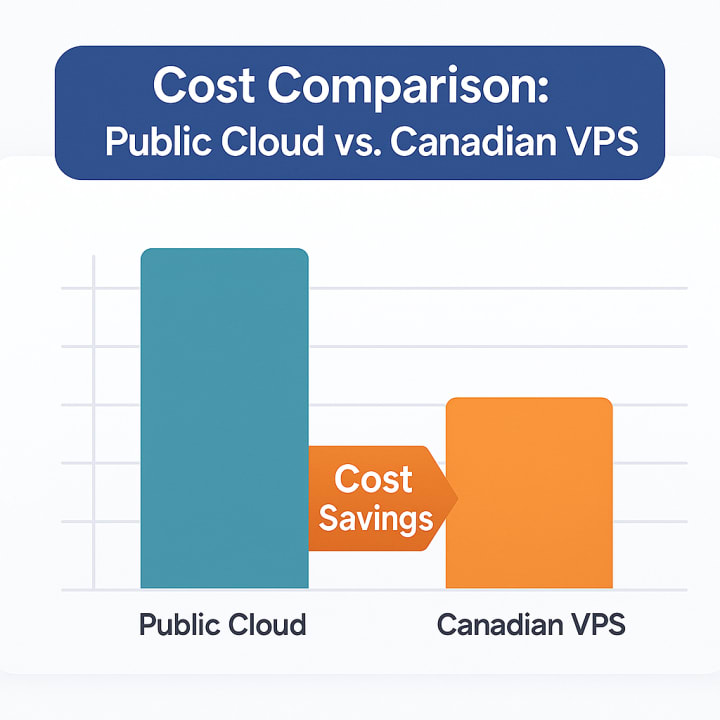
- Predictable and Affordable Costs: VPS plans typically come with a fixed monthly price for a set amount of resources, which simplifies budgeting. You’re not hit with unpredictable “pay-as-you-go” charges that many public clouds impose (for example, costly bandwidth or I/O fees that can surprise you at month-end). By choosing an affordable VPS hosting Canada plan, a startup can enjoy enterprise-grade infrastructure at a fraction of the cost of dedicated hardware or sprawling cloud services. This cost predictability is a relief for early-stage companies wary of sudden cloud bills.
- Isolation & Security: At the hypervisor level, a VPS is isolated from other customers’ environments. This means sensitive customer data and processes on your server are walled off from others, reducing risk of breaches compared to shared hosting. You can also enforce your own security policies. Moreover, pairing a VPS with a managed hosting Canada for enterprise operations service can elevate security further – providing managed firewalls, regular patching, and monitoring to meet the strict requirements of enterprise clients.
A modern data center with secure server racks. Virtual servers in such an environment allow SaaS startups to enjoy dedicated resources and strong isolation as described above. These highly secure facilities underpin the reliability and performance benefits of VPS hosting.
Why Choose a Canadian VPS: Strategic Advantages
Hosting your SaaS application on a Canadian VPS isn’t just about national pride – it offers tangible strategic benefits for startups, especially those targeting North American users or operating in regulated industries:
• Lower Latency for North America: Placing your servers in Canada (for example, in Toronto or Montreal data centers) means shorter network routes to users in Canadian cities and even many U.S. locations. The physical proximity to major Internet exchange points can significantly cut down on latency. The result is faster page loads and API responses for your users, which is crucial because even small delays can hurt user engagement and retention. By hosting closer to your user base, you provide a snappier, more competitive user experience.
• Local Trust and Credibility: Canadian businesses and consumers often prefer services that keep data within national borders. For SaaS startups, saying “our data is hosted in Canada” can be a selling point – it signals that you care about user privacy and are operating under Canada’s stricter privacy laws. In fact, when vying for contracts with Canadian enterprises or government agencies, local data hosting can be mandatory or at least give you an edge. Many RFPs and security assessments ask where customer data is stored; using a Canadian VPS checks that box and builds credibility with clients who require data residency.
• Avoiding Jurisdictional Risks: Using a Canadian provider helps shield your data from foreign government reach. If you host on U.S.-based infrastructure, your data might be subject to U.S. legislation like the CLOUD Act, which can compel providers to hand over data to U.S. authorities even if the servers are in Canada. This could conflict with Canadian privacy obligations. A truly Canadian VPS (especially one by a Canadian-owned company) creates a legal firewall – your data stays under Canadian jurisdiction, adding peace of mind for you and your customers concerned about foreign surveillance or subpoenas.
Cost Efficiency: Affordable VPS Hosting in Canada
Budget is a critical consideration for startups, and hosting can consume a large chunk of expenses if not managed wisely. Fortunately, VPS hosting in Canada offers a sweet spot between cost and performance:
Predictable Pricing: Most Canadian VPS providers offer straightforward monthly or annual pricing for set resource bundles. This contrasts with big cloud platforms that entice with low initial costs but often hide hidden expenses – for example, high data egress fees for network traffic, or charges for every little add-on service. These cloud costs can scale in unpredictable ways, making it hard for a startup to forecast expenses. With a VPS, you know exactly what your server resources cost each month, and many providers include generous bandwidth in the plan (avoiding surprise data transfer fees). This predictability allows you to plan and right-size your infrastructure as you grow, without nasty billing surprises.
Cost vs. Value: In the early stages, it might be tempting to go for the absolute cheapest hosting (or stick with free tiers on a cloud). However, “cheap” can become expensive if your app runs slowly or fails compliance checks. Canadian VPS solutions are affordable relative to the dedicated servers or fully managed cloud environments they compete with, yet they deliver high value in terms of dedicated resources and support. Essentially, you get the performance and control of a dedicated environment at a fraction of the cost. This helps maximize the ROI of your hosting spend – critical when you’re stretching every dollar of venture funding or bootstrapped capital.
Managed Hosting in Canada for Enterprise Operations
As your SaaS startup scales and begins to land larger enterprise customers, uptime and security requirements become more stringent. At that stage, you might consider upgrading from a self-managed VPS to a managed hosting solution in Canada tailored for enterprise operations. In a managed VPS scenario, the hosting provider’s team takes on much of the heavy lifting for you, acting like an “invisible DevOps” extension of your team:
- Hands-Off Infrastructure Maintenance: Rather than your developers spending time on OS updates, security patching, and server monitoring, a managed hosting service handles these tasks. This ensures critical updates (like Linux kernel patches or database updates) are applied promptly, reducing vulnerabilities. It frees your engineering team to focus on building product features instead of babysitting servers.
- Enhanced Security & Compliance: Managed hosting providers in Canada often include advanced security configurations out-of-the-box. They can set up enterprise-grade firewalls, intrusion detection systems, DDoS protection, and enforce best practices like regular vulnerability scans. They also keep audit logs and change management records – useful if you ever need to pass a compliance audit (for example, SOC 2 or other industry standards). For a startup without a dedicated security team, this level of protection is invaluable when dealing with sensitive enterprise data.
- Reliability Backed by SLAs: Enterprise clients will expect formal Service Level Agreements (SLAs) for uptime (often 99.9% or higher) and rapid support response times. Managed hosting providers typically offer these SLAs and have 24/7 support teams to respond to incidents. Features like automated backups, disaster recovery planning, and high-availability configurations are usually part of the package. This means even if hardware fails or other issues arise, there are contingency plans in place to keep your SaaS running with minimal interruption.
- Scaling Guidance: A good managed host will also assist with capacity planning – continuously monitoring your resource usage and advising when it’s time to scale up. They can often perform seamless vertical scaling (adding more CPU/RAM to your VPS) or help with load balancing across multiple servers as your traffic grows. This proactive support ensures your infrastructure keeps up with user demand without you having to become an infrastructure expert.
In short, opting for managed hosting in Canada for enterprise operations lets a growing SaaS meet the demands of big customers without hiring a large in-house ops team. You gain peace of mind that the infrastructure layer is well-handled under local expert care, which is especially important when your reputation and contracts depend on reliability and security.
Data Residency Compliance for SaaS Startups in Toronto
Data residency – keeping customer data within specific geographic boundaries – is a crucial consideration for Canadian SaaS companies, particularly those based in or serving customers in Toronto (the country’s financial and tech hub). Hosting your application and data on Canadian soil simplifies many compliance challenges:
- Navigating Privacy Laws: Canada’s federal privacy law (PIPEDA) doesn’t outright force Canadian businesses to keep data domestically, but it does mandate that if you transfer personal data abroad, you must ensure it gets equivalent protection and disclose to users that it’s leaving Canada. Several provinces and sectors go further: for instance, public sector agencies in British Columbia and Nova Scotia must keep certain data in Canada, and Quebec’s new privacy regulations heighten requirements for data handling. Financial institutions and healthcare organizations also often insist on local data storage due to their regulators’ guidelines. By using a Toronto-based (or other Canadian) data center, a SaaS startup aligns with these expectations by default – there’s no uncertainty about where the data lives.
- Easier Enterprise Sales: Many large Canadian companies and government departments include data residency clauses when evaluating SaaS vendors. They may require that all data, including backups and archives, remain in Canada. Being able to outright say “Yes, all our customer data is stored in Canada” can fast-track your security clearance in these deals. It removes a potential blocker and can even be a competitive advantage over foreign SaaS rivals. Essentially, local hosting can open doors to lucrative contracts that would otherwise be off-limits.
- Protection from Foreign Access: As mentioned earlier, hosting in Canada helps protect against foreign government data requests. If your data stays in Toronto under a Canadian provider, a U.S. court order or subpoena can’t easily reach it. This is not just a theoretical issue – for example, the U.S. Patriot Act and CLOUD Act allow American authorities to access data held by U.S.-based companies, even if the servers are abroad[4]. Canadian law and courts would generally need to be involved, offering an added layer of legal oversight. For privacy-conscious customers (which includes many end-users and enterprise clients), knowing that their data isn’t subject to foreign laws provides reassurance.
- Avoiding Inadvertent Breaches: Data residency isn’t just about your main database. You also need to consider backups, logs, and analytics data. It’s easy to accidentally violate residency requirements if, say, your primary app server is in Toronto but your backup service stores copies of your database in the U.S. (a scenario that has caught some companies off guard). By choosing a Canadian VPS and ensuring all ancillary services (backup snapshots, log storage, etc.) are also in Canada, you minimize the risk of an accidental compliance failure. You maintain a clean data lineage that auditors or clients can verify – all user data stays within Canadian jurisdiction.
The skyline of Toronto, Canada. Using local data centers effectively satisfies requirements for data residency compliance while also delivering low latency to nearby users. For SaaS companies in Toronto, this means fewer regulatory hurdles and a stronger trust factor for local customers.
Best Practices for Scaling Your SaaS on a Canadian VPS
To get the most out of your VPS hosting as you grow, consider a few best practices (which also tie into the benefits discussed):
- Architectural Isolation: Design your SaaS deployment to separate concerns. For example, run your database on a separate VPS instance from your web application if possible. This ensures that heavy database load doesn’t slow down your front-end, and it adds an extra layer of security (database server not exposed to the internet directly). Many startups also containerize their applications (using Docker/Kubernetes) on their VPS – this makes it easier to manage microservices and scale parts of your stack independently.
- Monitoring and Performance Tuning: Implement Application Performance Monitoring (APM) tools early. Keep an eye on metrics like CPU utilization, memory usage, database query times, and network I/O. By monitoring these, you can proactively upgrade your VPS plan or optimize your code before users notice slowdowns. Since Canadian VPS providers often give clear bandwidth and I/O policies, use those insights to ensure you stay within optimal ranges and avoid throttling. Regularly review logs (which are stored locally under Canadian jurisdiction) to catch any anomalies in performance or security.
- Security and Backup Routine: Even with managed services, it’s wise to have your own security checklist. Enforce encryption everywhere – use SSL/TLS for data in transit and ensure data at rest on the VPS is encrypted (many providers offer encryption for storage volumes). Regularly backup your data to a secondary Canadian location; test restoring from backups periodically. Also, keep documentation of your setup and security measures – this can be crucial during due diligence by potential enterprise clients or investors.
Conclusion: Powering SaaS Growth with the Right VPS
In summary, VPS hosting in Canada offers SaaS startups a powerful blend of performance, control, compliance, and cost-efficiency. By leveraging a VPS, you gain the freedom to tailor your environment to your application’s needs and the horsepower to deliver a fast user experience. Choosing a Canadian provider further ensures that you’re operating on “home turf” – benefiting from low-latency access to local customers, inherent alignment with data residency expectations, and insulation from many foreign data risks.
Crucially, these infrastructure advantages come without breaking the bank, as affordable Canadian VPS plans allow you to predict and contain your costs while scaling up. And when the time comes to meet enterprise-grade demands, solutions like managed hosting can augment your VPS deployment with expert support and extra safeguards, so you don’t have to divert focus from product innovation.
For a tech-savvy founder, the takeaway is clear: treating your hosting choice as a core business decision pays off. The ultimate choice for a SaaS startup looking to scale securely and sustainably may well be a VPS in Canada – where you can build a fast, compliant, and resilient SaaS stack on solid Canadian ground. With the right hosting partner and best practices in place, you can confidently concentrate on growing your product and user base, knowing that your infrastructure will support your ambitions every step of the way.
About the Creator
Keep reading
More stories from Steve Oscar and writers in 01 and other communities.
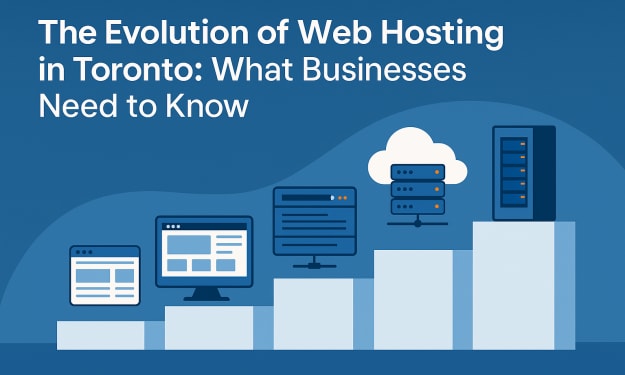
The Evolution of Web Hosting in Toronto : What Businesses Need to Know
A decade or two after a few transformations in the web hosting business, it had Toronto right in the thick of it. Gone are the days when businesses relied on expensive, clunky, and hard-to-manage on-site servers. Fast forward to today, and Toronto has become a center of innovation and technology to drive the growth of digital-first businesses.
By Steve Oscar4 months ago in 01
Trump, Starlink, and the Battle for Connectivity in Iran
In what has become one of the most volatile periods in recent Iranian history, the convergence of international politics and cutting-edge technology has taken center stage. As mass protests continue to shake cities across Iran and authorities enforce one of the most severe internet blackouts in decades, former U.S. President Donald Trump has publicly linked his response to the crisis with the role of satellite internet — specifically Elon Musk’s Starlink — as a potential lifeline for Iranian citizens.
By Muhammad Islam khan swatiabout 10 hours ago in 01
Jeff Bezos reveals the No. 1 secret behind Amazon’s trillion-dollar success, has a unique advice for young people
Jeff Bezos reveals the No.1 secret behind the company’s trillion-dollar success. He said that it can be advantageous for any company if they pay attention to customer instead of your competitor, giving a classic example of customer-driven innovation Amazon Prime. Jeff Bezos also advised young entrepreneurs to gain foundational skills through entry-level jobs like those at McDonald’s, emphasizing responsibility and resilience.
By Dena Falken Esq6 days ago in 01


Comments
There are no comments for this story
Be the first to respond and start the conversation.