
Unlocking the Future: Remote Sensing in Agriculture
Discover how remote sensing is revolutionizing agriculture, from precision farming to crop health monitoring.

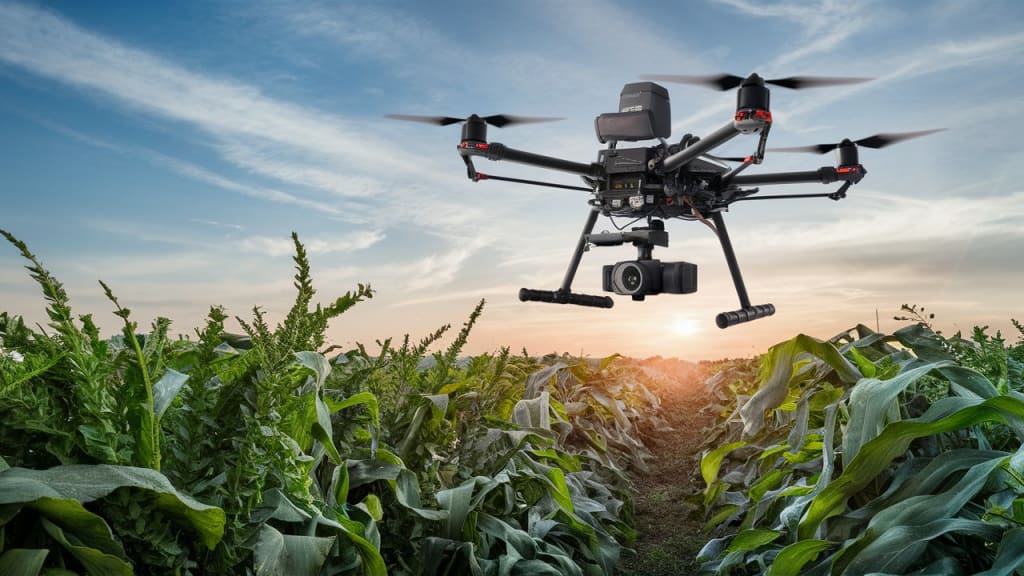
Agriculture is the backbone of our civilization, constantly evolving to meet the growing demands of the global population. One of the most groundbreaking advancements in this field is remote sensing, a technology that is transforming the way farmers manage their crops and resources. This article delves into the pioneering aspects of remote sensing in agriculture, highlighting its applications, benefits, and future potential.
What is Remote Sensing in Agriculture?
Remote sensing involves the use of satellites, drones, and other aerial technologies to collect data about the Earth's surface. In agriculture, this technology allows farmers to monitor and manage their fields with unprecedented precision. By capturing images and data from above, remote sensing provides insights into soil conditions, crop health, and environmental changes.
Types of Remote Sensing Technologies
- Optical Sensors: These sensors capture images in the visible and near-infrared spectra, providing detailed information about plant health and soil conditions.
- Thermal Sensors: Thermal imaging helps detect temperature variations in the field, which can indicate water stress or pest infestations.
- Radar Sensors: Radar technology penetrates clouds and provides data regardless of weather conditions, making it ideal for consistent monitoring.
Applications of Remote Sensing in Agriculture
Remote sensing is being used in various innovative ways to enhance agricultural productivity and sustainability. Here are some key applications:
Precision Farming
Precision farming involves the use of data and technology to optimize field-level management regarding crop farming. Remote sensing plays a crucial role by providing accurate data on soil moisture, nutrient levels, and crop health. This information enables farmers to apply fertilizers and pesticides more efficiently, reducing waste and environmental impact.
Crop Health Monitoring
Detecting crop diseases and pests early is vital for preventing large-scale damage. Remote sensing allows for continuous monitoring of crop health, identifying areas affected by stress, diseases, or pests. Early detection means timely intervention, which can save entire crops and ensure better yields.
Soil Analysis
Soil quality varies significantly within a single field, and understanding these variations is crucial for effective crop management. Remote sensing provides detailed maps of soil properties, helping farmers adjust their practices to match the specific needs of different areas. This leads to better crop growth and more efficient use of resources.
Irrigation Management
Efficient water use is critical in agriculture, especially in regions facing water scarcity. Remote sensing technologies can monitor soil moisture levels and crop water needs, allowing for precise irrigation scheduling. This not only conserves water but also ensures that crops receive the optimal amount of moisture.
Benefits of Remote Sensing in Agriculture
The integration of remote sensing in agriculture offers numerous benefits, including:
- Increased Efficiency: By providing detailed insights into crop and soil conditions, remote sensing helps farmers make informed decisions, leading to better resource management and higher productivity.
- Cost Savings: Precision farming reduces the need for fertilizers, pesticides, and water, cutting down costs while maintaining or even increasing yields.
- Sustainability: Remote sensing promotes sustainable farming practices by minimizing environmental impact and preserving natural resources.
- Risk Management: Early detection of issues such as pest infestations, diseases, and water stress helps farmers address problems before they escalate, reducing the risk of crop failure.
The Future of Remote Sensing in Agriculture
The future of remote sensing in agriculture looks promising, with ongoing advancements in technology and increasing adoption among farmers. Emerging trends include:
Integration with AI and Machine Learning
Combining remote sensing with artificial intelligence (AI) and machine learning allows for more accurate data analysis and predictive modeling. This can lead to even more precise farming practices and better decision-making.
Development of Advanced Sensors
New sensor technologies are being developed to provide even more detailed and accurate data. These advancements will enhance the capabilities of remote sensing, making it an even more valuable tool for farmers.
Increased Accessibility
As technology advances, remote sensing equipment and services are becoming more affordable and accessible to farmers of all scales. This democratization of technology will lead to widespread adoption and greater impact.
Focus on Sustainability
Sustainability is a growing concern in agriculture, and remote sensing is poised to play a key role in promoting eco-friendly practices. By enabling more efficient resource use and reducing waste, remote sensing contributes to the long-term viability of farming.
Conclusion
Remote sensing is revolutionizing agriculture, offering new ways to monitor and manage crops with precision and efficiency. From enhancing productivity to promoting sustainability, this technology holds immense potential for the future of farming. As remote sensing continues to evolve, its integration with other advanced technologies will further transform the agricultural landscape, paving the way for a more efficient and sustainable future.
Explore the full potential of remote sensing in agriculture and how it can benefit your farming practices by diving deeper into this comprehensive guide on TechiveHub. Share your thoughts and experiences with this revolutionary technology and join the conversation on the future of farming.
About the Creator
Techivehub
TechiveHub: Your ultimate source for tech insights, trends, and tutorials. Discover in-depth articles, expert reviews, and the latest tech news. Join our community and stay ahead in the digital world. Follow us for daily updates!
Keep reading
More stories from Techivehub and writers in 01 and other communities.
Designing Your Passive Solar Dream Home: A Global Guide
Hello, design enthusiasts and eco-warriors from around the globe! Are you ready to embark on a jolly good adventure in home design? Buckle up, because we're about to dive into the wonderful world of passive solar home design. It's like playing Minecraft, but in real life, and with the awesome power of the sun on your side!
By Techivehub2 years ago in 01
Understanding Outdoor Structures in Residential Design
I’ve always noticed that the most comfortable homes tend to blur the line between indoor and outdoor living. In places where the weather allows people to spend time outside for much of the year, exterior spaces often become part of everyday routines rather than occasional-use areas. This is where practical outdoor structures start to matter.
By charliesamuel4 days ago in 01
Analyse this!
Wanna know how to improve your writing? There is a simple, quick, tried and tested method. Tried and tested by who? By me, as it happens, and I can guarantee that it will work for you. I know what I am talking about. Not always, of course, but certainly in this case.
By Raymond G. Taylor6 days ago in Writers




Comments
There are no comments for this story
Be the first to respond and start the conversation.