
Designing Your Passive Solar Dream Home: A Global Guide
Learn to design a passive solar home anywhere in the world. Discover key principles, materials, and tips for energy-efficient, comfortable living.

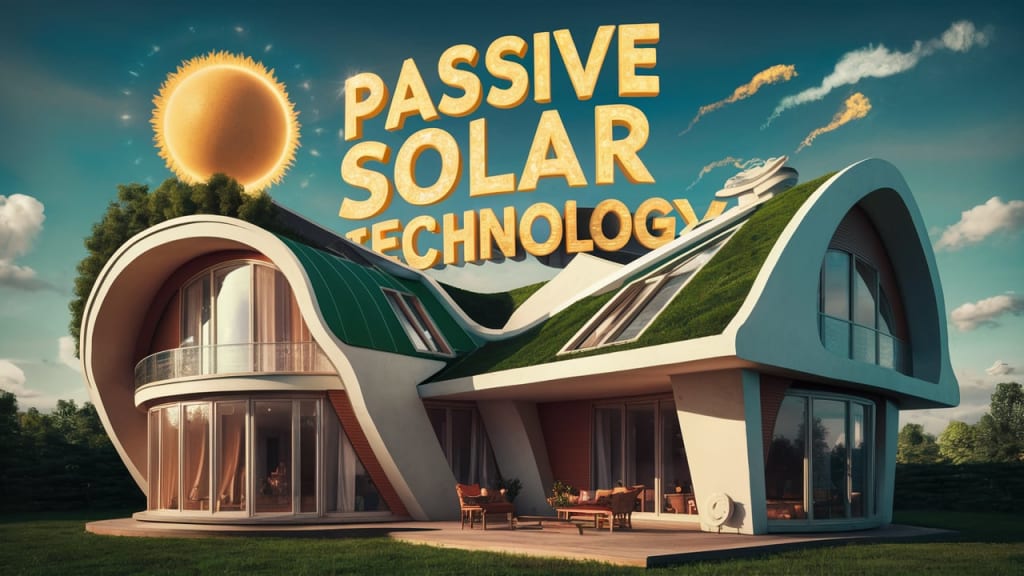
Hello, design enthusiasts and eco-warriors from around the globe! Are you ready to embark on a jolly good adventure in home design? Buckle up, because we're about to dive into the wonderful world of passive solar home design. It's like playing Minecraft, but in real life, and with the awesome power of the sun on your side!
The Passive Solar Puzzle: Piecing It All Together
Designing a passive solar home is like cooking the perfect biryani - it's all about getting the right ingredients in the right proportions. But don't worry, you don't need to be a master chef (or architect) to get it right. Let's break down the key ingredients:
Orientation: Face the Sun, Not the Neighbors
The first rule of Passive Solar Club? Face the sun! In the northern hemisphere, that means your main living spaces should face south. If you're down under in Australia or New Zealand, flip that and face north. It's like giving your home a front-row seat to the sun's daily show.
Windows: The Eyes of Your Solar Home
Windows aren't just for snooping on the neighbors (tut-tut!). In passive solar design, they're your home's energy collectors. Big windows on the sun-facing side let in light and heat, while smaller windows on the other sides prevent heat loss. It's like your house is wearing sunglasses, but only on one side!
Thermal Mass: Your Home's Heat Battery
This is where things get exciting! Thermal mass materials - like concrete, brick, or stone - act like a heat battery for your home. They soak up heat during the day and release it at night, keeping your home's temperature as steady as a British queue. Jolly good!
Insulation: Wrap Your Home in a Cozy Blanket
Good insulation is like a warm hug for your house. It keeps the heat in during winter and out during summer. Whether you're in the frosty fjords of Norway or the sun-baked outback of Australia, don't skimp on this!
Ventilation: Let Your Home Breathe
A passive solar home needs good airflow, like a yogi doing deep breaths. Natural ventilation keeps the air fresh and helps regulate temperature. Think cross-breezes and stack effect - it's like giving your home its own natural AC!
Materials Matter: Choosing Your Solar Superstars
Now, let's talk materials. Choosing the right materials for your passive solar home is like picking players for your cricket team - each one has a crucial role to play.
Concrete: The Steady Batsman
Concrete is the dal chawal of building materials - reliable and effective. It's great for thermal mass, soaking up heat like a sponge. Plus, exposed concrete is so hot right now (pun intended).
Brick: The All-Rounder
Brick has been keeping people cool for centuries, from the bazaars of Marrakech to the laneways of Melbourne. It's great for thermal mass and looks smashing too!
Stone: The Star Player
If you're lucky enough to build in an area with local stone, go for it! It's not just practical, it's a beautiful way to connect your home to its surroundings. From the limestones of England to the sandstones of Rajasthan, stone is a passive solar superstar.
Glass: The Tricky Spinner
Glass is crucial for letting in light and heat, but too much can cause overheating. Look for double or triple-glazed options with low-e coatings. It's like sunscreen for your windows!
Wood: The Eco-Friendly Option
While not great for thermal mass, wood is a renewable resource and a great insulator. Plus, it adds a warm, natural feel to your home. From the cedars of Canada to the teaks of Thailand, wood is a winner.
Passive Solar Around the World: Global Inspiration
The beauty of passive solar design is that it can be adapted to work anywhere in the world. Let's take a whistle-stop tour of passive solar homes around the globe:
Mediterranean Mastery: Countries like Greece and Spain have been using passive solar principles for millennia. Think thick stone walls, small windows, and courtyards for shade and ventilation.
Scandinavian Smarts: In the land of the midnight sun (and very long nights), homes are designed to maximize natural light and retain heat. Large south-facing windows and super-insulation are the name of the game.
Desert Designs: In hot, arid climates like parts of the Middle East and Australia, passive solar homes focus on cooling. Think wind towers, thermal chimneys, and carefully placed water features for evaporative cooling.
Tropical Tactics: In humid climates like Southeast Asia, passive solar design is all about encouraging airflow and providing shade. Elevated homes, large overhangs, and louvered windows are common features.
DIY Passive Solar: Small Changes, Big Impact
Not building from scratch? No worries! Here are some easy ways to add passive solar features to your existing home:
Plant Power: Plant deciduous trees on the sun-facing side of your house. They'll provide shade in summer and let sun through in winter. It's like having a natural umbrella that knows the seasons!
Window Wisdom: Use heavy curtains or blinds to control heat gain and loss through windows. Open them on sunny winter days and close them on hot summer days.
Awning Awesome: Install awnings or overhangs above sun-facing windows. They'll block high summer sun while still letting in low winter sun. It's like your windows are wearing a cap!
Insulation Investigation: Check your insulation and upgrade if needed. It's one of the most effective ways to improve your home's energy efficiency.
Thermal Mass Magic: If you're renovating, consider adding thermal mass materials like a concrete floor or a brick wall in a sunny spot. It's like giving your home its own heat battery!
The Future is Bright (and Comfortably Cool!)
As we face the challenges of climate change and rising energy costs, passive solar design offers a beacon of hope. It's not just about building better homes - it's about creating a more sustainable way of living, from the bustling streets of Tokyo to the quiet lanes of a Cotswold village.
Imagine entire cities designed with passive solar principles in mind. Picture historic buildings retrofitted to be more energy-efficient while preserving their cultural heritage. This isn't just a pipedream - it's already starting to happen all over the world!
So, whether you're building a new home, renovating an old one, or just dreaming about your future eco-paradise, remember the power of passive solar design. It's a way to work with nature, not against it. It's a way to create homes that are comfortable, beautiful, and kind to our planet.
Here's to a future where our buildings are as smart as our phones, where our homes work in harmony with the sun, and where living sustainably is as natural as brewing a cup of tea. The passive solar revolution is here, and it's designed to make your future brighter (but not too bright, because, you know, glare).
Now, who's ready to start designing their passive solar dream home? The sun's up, and the future's bright - let's get building!
About the Creator
Techivehub
TechiveHub: Your ultimate source for tech insights, trends, and tutorials. Discover in-depth articles, expert reviews, and the latest tech news. Join our community and stay ahead in the digital world. Follow us for daily updates!
Keep reading
More stories from Techivehub and writers in 01 and other communities.
Transform Your Sleep with Cutting-Edge Sleep Tech Devices
Ever feel like good sleep is as rare as a unicorn sighting? You're not alone. Between our crazy schedules and the endless glow of screens, catching those Z's can feel like mission impossible. But here's some good news: tech's got our backs. Let's dive into some cool sleep gadgets that might just change your nights forever.
By Techivehub2 years ago in 01
The Structure and Logic of Korean Skin Care Routines
The global interest in korean skin care is often linked to its multi-step routines, but the true appeal lies deeper than the number of products used. At its foundation, this approach is about understanding how skin functions over time and responding with consistent, supportive care. Rather than focusing on dramatic short-term results, the system emphasizes balance, hydration, and long-term maintenance.
By Ethan Robert4 days ago in 01



Comments
There are no comments for this story
Be the first to respond and start the conversation.