
Unlocking the Future of Facility Management: Industry Demands, Current Trends, and Emerging Innovations in Facility Software
Facility management has transformed dramatically over the last few years, propelled by advancements in technology and increasing business demands for efficiency, sustainability, and cost-effectiveness.
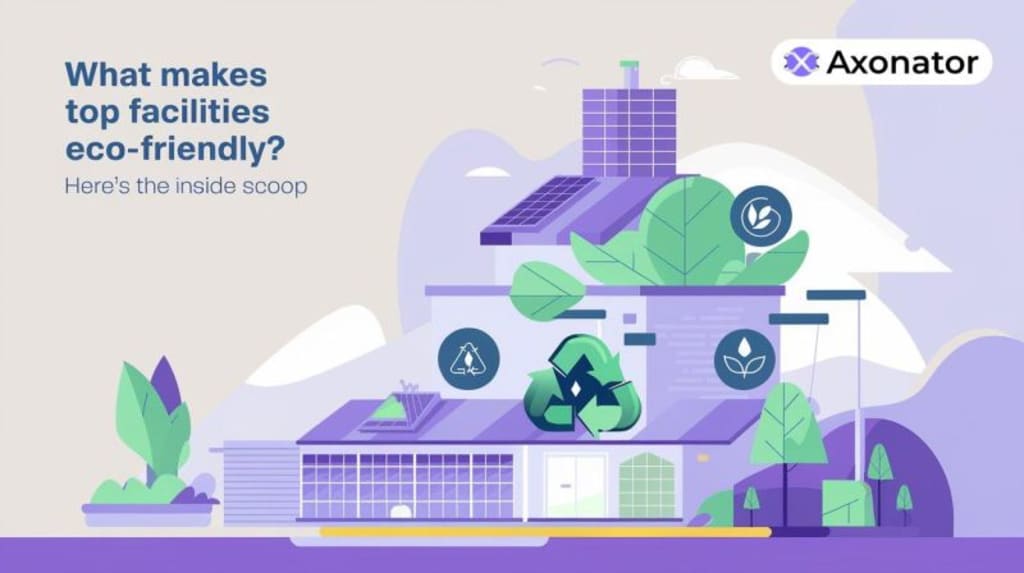
Facility management has transformed dramatically over the last few years, propelled by advancements in technology and increasing business demands for efficiency, sustainability, and cost-effectiveness. Facility software, the backbone of modern facility management, is now at the center of this evolution. From energy-efficient buildings to smart maintenance systems, software solutions are continuously adapting to meet the needs of various industries. In this article, we’ll explore the key industry requirements, emerging trends, and the latest news shaping the facility software landscape.
Industry Requirements for Facility Software
1. Scalability and Flexibility
Modern facility management software needs to scale according to the size and complexity of a business. Whether it’s managing a small office or multiple large facilities across regions, flexibility is key. Enterprises are now looking for software that integrates various management tasks such as asset management, space management, and energy monitoring, all within one system.
2. Compliance and Security
Facility management teams face increasingly stringent regulatory requirements. In sectors like healthcare, finance, and government, compliance with industry standards and local regulations is critical. Facility software must offer robust compliance management tools that track and report on maintenance schedules, health and safety checks, and certifications to ensure smooth operations and avoid legal liabilities. Furthermore, with the rise of cyber threats, data security has become non-negotiable.
3. Automation and Predictive Maintenance
The demand for automation is skyrocketing in facility management, driven by the need to reduce costs and downtime. Facility software must incorporate predictive maintenance capabilities, utilizing data analytics and IoT sensors to forecast equipment failures before they happen. Automation features like self-scheduling, automatic report generation, and AI-driven analytics improve efficiency, reduce human error, and extend the lifespan of assets.
4. Sustainability and Energy Efficiency
With growing environmental concerns, businesses are under pressure to meet sustainability goals. Facility management software should support energy monitoring, waste reduction strategies, and green building initiatives. Many industries, including manufacturing and real estate, now demand solutions that track energy usage, reduce carbon footprints, and comply with environmental regulations.
Current Industry Trends in Facility Software
1. AI and Machine Learning
Artificial intelligence (AI) and machine learning are transforming facility management software. These technologies help automate routine tasks such as work order creation, inventory tracking, and equipment monitoring. AI-powered chatbots are also gaining traction for handling facility-related queries from employees. Predictive maintenance, driven by machine learning, enables facility managers to address equipment issues proactively by analyzing historical data.
2. IoT Integration
The Internet of Things (IoT) is revolutionizing the way facilities are managed. IoT sensors are embedded in building systems to collect real-time data on everything from temperature control and lighting to HVAC systems and security. Facility software integrated with IoT allows managers to optimize building performance, enhance occupant comfort, and reduce energy consumption. This trend is particularly strong in industries like retail, healthcare, and manufacturing, where real-time monitoring of facilities is crucial.
3. Cloud-Based Solutions
Cloud computing has become a standard feature of modern facility management software. Cloud-based solutions offer the advantage of real-time access to data, ensuring that facility managers and teams can collaborate effectively from anywhere. With remote work and decentralized offices on the rise, the demand for cloud-based facility management software has surged. It eliminates the need for costly hardware installations and offers scalability, flexibility, and security.
4. Mobile-First Approach
Facility managers are increasingly turning to mobile solutions to handle operations on the go. Mobile-first facility management software allows users to manage maintenance requests, track assets, and monitor real-time building data directly from smartphones or tablets. This shift towards mobile accessibility empowers teams to respond quickly to issues, streamline workflows, and improve overall productivity.
5. Sustainability-Driven Features
As industries strive to meet sustainability goals, facility software is incorporating more energy-efficient and eco-friendly features. Tools that track energy consumption, water usage, and waste management are becoming essential components. Sustainability reporting and carbon tracking are now available within most advanced facility management systems, helping organizations meet both regulatory requirements and their own environmental goals.
Latest News and Innovations in Facility Software
1. Digital Twins
The rise of digital twin technology is one of the most exciting innovations in facility software. Digital twins are virtual replicas of physical assets or buildings, allowing facility managers to monitor real-time conditions, simulate scenarios, and optimize performance. Industries such as construction and manufacturing are leveraging digital twins to improve efficiency, reduce costs, and enhance predictive maintenance.
2. Sustainability Meets Facility Management
Companies like Siemens and Johnson Controls are at the forefront of integrating sustainability into their facility management software. Recent developments focus on leveraging AI and IoT to monitor energy consumption and promote green building initiatives. These tools are designed to meet industry-specific environmental standards while enhancing operational efficiency.
3. Cybersecurity Focus
In 2024, cybersecurity concerns around facility management systems have been making headlines. As more facilities become “smart” and interconnected, they also become more vulnerable to cyber threats. Many vendors are now investing heavily in advanced security features like encryption, multi-factor authentication, and regular software updates to protect against breaches.
About the Creator
Keep reading
More stories from Harish Mukkawar and writers in 01 and other communities.
Building facility management software is becoming essential for modern businesses, as it is revolutionizing the field of facility management.
In today’s rapidly evolving business landscape, efficient facility management has become a top priority for companies seeking to maximize their operational efficiency and ensure that their buildings are safe, well-maintained, and cost-effective. As industries grow more complex, so do the demands on facility managers. Fortunately, Building Facility Management Software (BFMS) is transforming the way businesses handle their physical assets, providing tools to streamline processes, cut costs, and adapt to emerging challenges.
By Harish Mukkawarabout a year ago in 01
Can AI Predict a Successful Brand Name? Let’s Find Out
Did you know that a staggering 9 out of 10 startups fail? While many factors contribute to this grim statistic, the strength and memorability of a brand name often play a surprisingly significant role in a business's initial traction and long-term success.
By Ecom Mediatecha day ago in 01
Configure KeyLocker for JarSigner using the DigiCert KSP Library
Prerequisites Before configuring KeyLocker for JarSigner, please ensure you have the following components and environment set up. Each of these is necessary and plays a role in establishing a contracted, secure, engaging signing environment.
By Anna Shipman6 days ago in 01




Comments
There are no comments for this story
Be the first to respond and start the conversation.