
Tips for Installing a 40 Ton Gantry Crane
Aicrane Lifting Solution
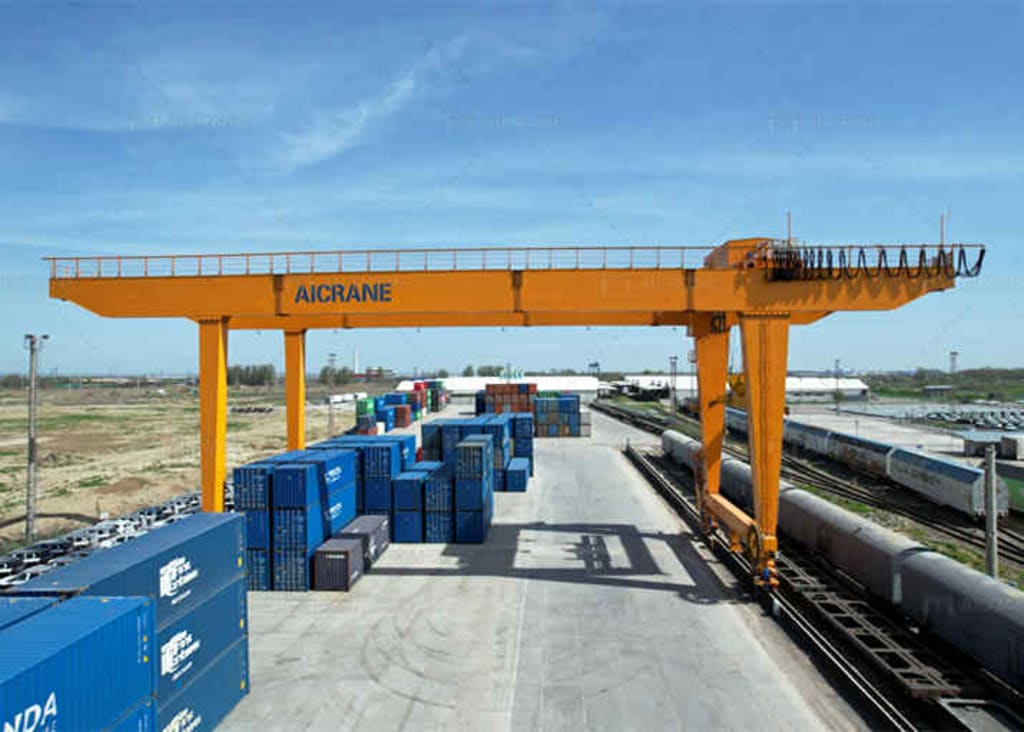
A 40 ton gantry crane is a versatile and powerful piece of equipment widely used in construction sites, manufacturing facilities, shipyards, and logistics hubs. Proper installation is critical to ensure the crane operates efficiently, safely, and reliably. An improperly installed crane can lead to performance issues, reduced lifespan, and even dangerous accidents. This guide provides detailed tips for installing a 40 ton gantry crane effectively and safely.
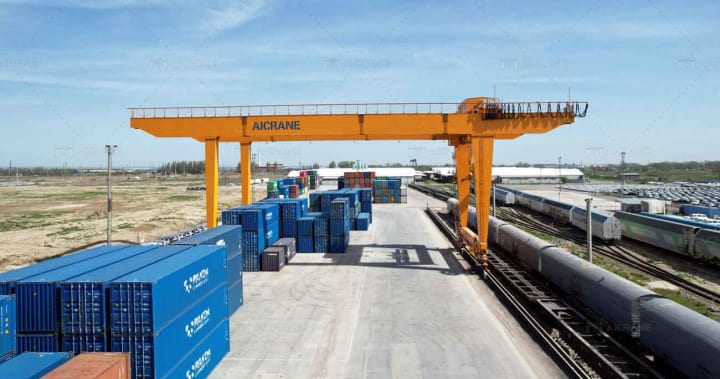
Conduct a Thorough Site Assessment
Before installation, evaluate the site to ensure it is suitable for the gantry crane.
Ground Conditions: Check that the ground is level, stable, and capable of bearing the crane's weight and loads. Reinforce the ground if necessary.
Space Requirements: Ensure adequate clearance for the crane's operation, including space for movement of the crane's legs, trolley, and load.
Obstructions: Identify and remove potential obstacles, such as overhead wires, nearby structures, or uneven terrain.
A proper site assessment ensures a stable foundation and minimizes the risk of issues during and after installation.
Verify Compliance with Local Regulations
Adhering to local regulations and standards is crucial.
Building Codes: Ensure the installation complies with local building and safety codes.
Environmental Restrictions: Check for restrictions on noise, emissions, or other environmental impacts.
Permits: Obtain necessary permits for crane installation and operation.
Compliance with regulations not only ensures safety but also avoids potential legal and financial penalties.
Assemble a Skilled Installation Team
The installation of a 40 ton gantry crane requires expertise and coordination.
Hire Professionals: Work with certified crane technicians and engineers experienced in heavy duty gantry crane installations.
Train Staff: Ensure your team is familiar with the specific crane model and its installation manual.
Assign Roles: Clearly define roles and responsibilities for each team member to ensure a smooth process.
A skilled team minimizes errors and ensures the installation is completed safely and efficiently.
Inspect the Crane Components
Before starting the installation, inspect all crane components to ensure they are in good condition.
Check for Damage: Look for signs of damage, rust, or wear on structural parts, electrical components, and moving mechanisms.
Verify Completeness: Ensure all parts, including bolts, brackets, and electrical components, are accounted for.
Test Functionality: Confirm that motors, hoists, and control systems function properly.
Inspecting the crane before installation helps prevent delays and ensures the equipment operates as intended.
Prepare the Foundation and Rails
A strong foundation and properly installed rails are essential for the stability and smooth operation of a gantry crane.
Foundation Requirements: Follow the manufacturer's specifications for the foundation design, ensuring it can handle the crane's weight and loads.
Rail Alignment: Install the rails with precision, ensuring they are level, parallel, and securely fastened.
Shock Absorbers: Consider adding shock absorbers to reduce vibrations and wear on the rails.
Proper foundation and rail preparation are critical for long-term performance and safety.
Follow the Manufacturer’s Instructions
Every crane model has unique installation requirements.
Read the Manual: Carefully review the installation manual provided by the manufacturer.
Use Recommended Tools: Utilize tools and equipment specified by the manufacturer to avoid damage.
Follow Step-by-Step Instructions: Assemble the crane systematically, ensuring all connections are secure and aligned.
Adhering to the manufacturer's guidelines ensures the crane is installed correctly and performs optimally.
Ensure Proper Electrical Setup
The electrical system is vital for the operation of a 40 ton gantry crane.
Power Supply: Verify that the site has an adequate power supply compatible with the crane's requirements.
Cable Management: Install electrical cables securely to prevent damage and interference.
Safety Features: Ensure all electrical components, such as limit switches and emergency stop buttons, are functioning properly.
A reliable electrical setup minimizes operational disruptions and enhances safety.
Perform Load Testing
Once the crane is installed, load testing is essential to verify its performance and safety.
Test at Gradual Loads: Start with light loads and gradually increase to the crane's maximum capacity of 40 tons.
Monitor Performance: Observe the crane's movement, stability, and response during testing.
Inspect After Testing: Check for signs of strain or damage after testing.
Load testing ensures the crane can handle its rated capacity safely and reliably.
Train Operators and Maintenance Personnel
Proper training for operators and maintenance staff is crucial for safe and efficient crane operation.
Operator Training: Train operators on crane controls, load handling, and emergency procedures.
Maintenance Training: Ensure maintenance personnel understand the crane's inspection and servicing requirements.
Certifications: Provide certifications to qualified staff to ensure compliance with safety standards.
A well-trained team reduces the risk of accidents and prolongs the crane's lifespan.
Implement Safety Measures
Safety should be a top priority during and after installation.
Install Warning Systems: Equip the crane with warning lights, sirens, and signage to alert nearby personnel.
Inspect Regularly: Conduct routine inspections to identify and address issues early.
Limit Access: Restrict access to the crane area to authorized personnel only.
By prioritizing safety, you can prevent accidents and protect your investment.
Monitor and Adjust After Installation
Post-installation monitoring and adjustments are essential for optimal performance.
Track Performance: Monitor the crane's operation during the first few weeks to identify any issues.
Make Adjustments: Fine-tune components, such as rail alignment or hoist settings, as needed.
Schedule Maintenance: Establish a maintenance schedule to keep the crane in peak condition.
Ongoing monitoring ensures the crane operates efficiently and safely over time.
Installing a 40 ton gantry crane requires careful planning, skilled execution, and adherence to safety and manufacturer guidelines. By conducting a thorough site assessment, assembling an experienced team, ensuring proper foundation preparation, and following the manufacturer's instructions, you can set the stage for successful installation. Post-installation practices, such as load testing, operator training, and regular maintenance, further enhance the crane's efficiency and safety.
By investing in a well-executed installation process, businesses can maximize the performance, reliability, and cost-effectiveness of their 40 ton gantry crane for years to come.
About the Creator
Keep reading
More stories from Aicrane Machine and writers in 01 and other communities.
Differences Between Hoist Gantry System on Single Beam and Double Beam Gantry Crane
The hoist gantry system is an essential component of any gantry crane, playing a critical role in the lifting and movement of heavy loads. When considering the purchase or utilization of a gantry crane, one of the primary decisions to make is whether to opt for a single beam or double beam gantry crane. Each type has its unique advantages and functionalities, and understanding the differences between their hoist gantry systems can help in making an informed decision that is best suited for your specific industrial needs.
By Aicrane Machineabout a year ago in 01
How AI and Machine Learning Are Transforming Mobile Banking Apps
Mobile banking has evolved from a convenience feature into a core financial service. In 2026, the real driving force behind this evolution is Artificial Intelligence (AI) and Machine Learning (ML). These technologies are reshaping how users interact with banking apps, how banks detect fraud, manage risk, and deliver personalized financial experiences.
By shane cornerus7 days ago in 01
Writing About Writing: The Rainbow Trap
The good thing about living in modern times is that LGBTQ representation in media is increasing. Not just in niche and Independant media, either, but also in mainstream media. Books, movies, TV shows, comics... they're finally catching on that LGBTQ+ people form a significant part of their audience, and deserve to see themselves on screen and in fiction, not just as victims in documentaries and true crime shows.
By Natasja Roseabout 13 hours ago in Writers



Comments
There are no comments for this story
Be the first to respond and start the conversation.