
Differences Between Hoist Gantry System on Single Beam and Double Beam Gantry Crane
Aicrane Lifting Solution
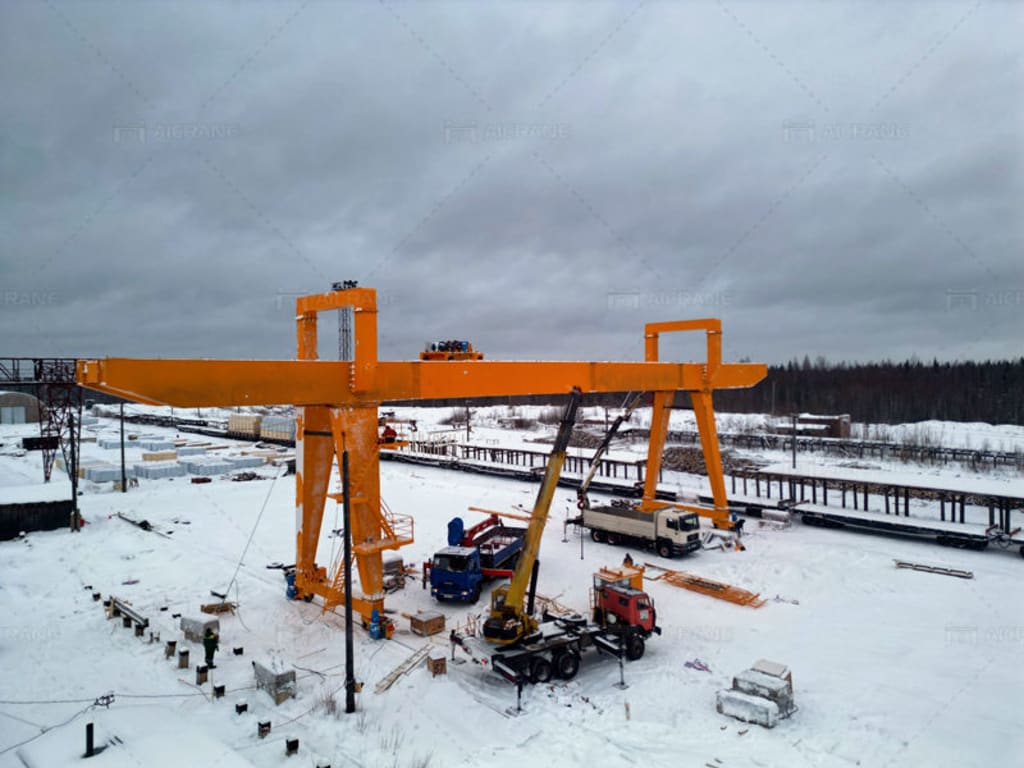
The hoist gantry system is an essential component of any gantry crane, playing a critical role in the lifting and movement of heavy loads. When considering the purchase or utilization of a gantry crane, one of the primary decisions to make is whether to opt for a single beam or double beam gantry crane. Each type has its unique advantages and functionalities, and understanding the differences between their hoist gantry systems can help in making an informed decision that is best suited for your specific industrial needs.
Structural Differences
Single Beam Gantry Crane
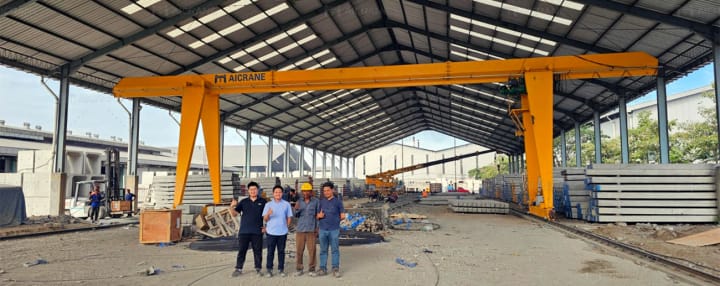
A single beam gantry crane consists of one horizontal beam supported by two legs that move along tracks or wheels. The hoist gantry system in a single beam crane is mounted on the single beam and moves along it to lift and transport loads. The simplicity of this design offers several advantages:
Ease of Installation: Single beam gantry cranes are generally easier and quicker to install due to the simpler structure.
Cost-Effectiveness: They tend to be less expensive compared to double beam cranes because they require fewer materials and less labor to construct.
Compact Design: The single beam design is more compact, making it suitable for smaller spaces or facilities with limited headroom.
Double Beam Gantry Crane
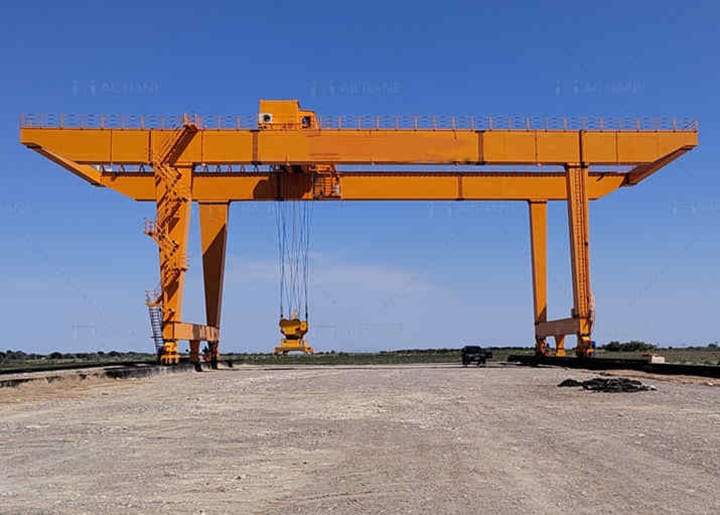
A double beam gantry crane, on the other hand, features two horizontal beams that are parallel to each other. The hoist gantry system is situated between these two beams and can move along them to perform lifting operations. The double beam structure offers distinct advantages, particularly for heavy-duty applications:
Higher Load Capacity: Double beam gantry cranes can handle much heavier loads compared to single beam cranes due to their robust design.
Greater Stability: The two-beam structure provides increased stability, reducing the risk of swaying or tipping when lifting heavy or bulky loads.
Enhanced Span: Double beam cranes can cover a larger span, making them ideal for wide areas or facilities that require extensive horizontal coverage.
Hoist Mechanism
Hoist Gantry System in Single Beam Gantry Crane
The hoist gantry system in a single beam gantry crane typically comprises a trolley that moves along the single beam. The hoist mechanism, which includes the motor, drum, and hook, is attached to the trolley. Key characteristics include:
Simplified Design: The hoist mechanism in a single beam crane is generally simpler, which can lead to lower maintenance requirements and easier operation.
Limited Load Capacity: Due to the single beam design, the hoist gantry system is typically limited in its load capacity, making it more suitable for lighter to medium-duty applications.
Versatility: Single beam cranes are versatile and can be used in various industries such as manufacturing, warehousing, and small construction projects.
Hoist Gantry System in Double Beam Gantry Crane
In a double beam gantry crane, the hoist gantry system is more complex. The hoist is mounted on a trolley that runs on rails placed on top of the two beams. This configuration provides several benefits:
Increased Load Capacity: The hoist gantry system in a double beam crane can handle significantly higher loads due to the support provided by the two beams. This makes it suitable for heavy-duty applications such as shipbuilding, large-scale construction, and industrial manufacturing.
Enhanced Precision: The double beam design allows for more precise control of the hoist mechanism, which is critical when handling delicate or high-value loads.
Redundant Safety Features: Double beam cranes often incorporate additional safety features such as redundant braking systems and overload protection to ensure safe operation under heavy loads.
Operational Efficiency
Single Beam Gantry Crane
The operational efficiency of a single beam gantry crane is influenced by its simpler design and ease of use:
Quick Setup and Operation: Single beam cranes are typically quicker to set up and operate, which can lead to increased productivity in environments where quick deployment is essential.
Lower Maintenance: The simpler hoist gantry system requires less maintenance, reducing downtime and operational costs.
Flexibility: Single beam cranes can be easily relocated or reconfigured to adapt to changing operational needs.
Double Beam Gantry Crane
Double beam gantry cranes are designed for heavy-duty and continuous operation, which contributes to their operational efficiency:
High Performance: The robust hoist gantry system in double beam cranes ensures high performance and reliability, even under demanding conditions.
Longer Lifespan: The sturdy construction and high-quality components used in double beam cranes contribute to a longer operational lifespan, providing a better return on investment.
Advanced Features: Double beam cranes often come equipped with advanced features such as automated controls, variable speed drives, and remote operation capabilities, enhancing overall efficiency and safety.
Application Suitability
Single Beam Gantry Crane
Single beam gantry cranes are best suited for applications where moderate lifting capacity and simplicity are prioritized:
Manufacturing: Ideal for assembly lines and manufacturing processes where moderate loads need to be moved frequently.
Warehousing: Suitable for warehouses where space is limited, and the crane needs to be easily maneuverable.
Maintenance and Repair: Useful in maintenance facilities where equipment and machinery need to be lifted for repair or servicing.
Double Beam Gantry Crane
Double beam gantry cranes are designed for heavy-duty applications that require high lifting capacity and precision:
Shipbuilding: Essential for lifting and positioning large components such as ship hulls and engines.
Large-Scale Construction: Perfect for construction sites where heavy materials and equipment need to be moved and positioned accurately.
Industrial Manufacturing: Suitable for large-scale industrial operations that involve the handling of heavy and bulky materials.
In summary, the primary differences between the hoist gantry systems of single beam and double beam gantry cranes lie in their structural design, load capacity, operational efficiency, and suitability for various applications. Single beam gantry cranes offer simplicity, cost-effectiveness, and flexibility, making them ideal for moderate lifting tasks in smaller spaces. In contrast, double beam gantry cranes provide higher load capacity, greater stability, and advanced features, making them suitable for heavy-duty applications in demanding industrial environments.
Understanding these differences is crucial when selecting the right gantry crane for your needs. By evaluating your specific requirements and considering the advantages of each type, you can make an informed decision that ensures efficient and safe lifting operations in your facility. Whether you choose a single beam or double beam gantry crane, partnering with a reputable gantry crane supplier will ensure you receive high-quality equipment tailored to your operational needs.
About the Creator
Keep reading
More stories from Aicrane Machine and writers in 01 and other communities.
What Experts Can Tell You About 30 Ton Gantry Crane for Sale
A 30 ton gantry crane for sale is a powerful and versatile lifting solution designed for heavy-duty applications in construction sites, warehouses, shipyards, and manufacturing facilities. When seeking to purchase one 30 ton gantry crane for sale, it’s crucial to consider expert insights to make a well-informed decision. Here’s what industry professionals often advise about selecting, installing, and maintaining a 30 ton gantry crane.
By Aicrane Machineabout a year ago in 01
Top 20 OnlyFans Ideas for Content, Niche, Username, and Bio
Are you looking for the best ideas for creating engaging OnlyFans content, or do you want to know the platform's top content categories? Maybe you are struggling with your OnlyFans bio and username and need some tips? No matter what the case, we are here to rescue you.
By Intelligent Creator7 days ago in 01
Sustainable Engineering: How Indi IT Solutions Reduces the Carbon Footprint of Mobile Apps
The global push for net-zero emissions has changed things. It has fundamentally transformed the requirements for digital infrastructure. As of early 2026, energy consumption is a top priority. Mobile ecosystems are no longer a secondary concern for stakeholders.
By Del Rosarioabout 13 hours ago in 01




Comments
There are no comments for this story
Be the first to respond and start the conversation.