
The World Through the Eyes of Animals
Human Vision vs Cat Vision

The world is a diverse and intricate place, filled with an astounding array of life forms. Humans are not alone in their experience of this complex world; numerous animal species share our planet, each with its unique perspectives, perceptions, and ways of interacting with the environment. Understanding the world through the eyes of animals provides us with valuable insights into their lives, emotions, and survival strategies. In this essay, we will explore how different animals perceive and navigate the world, communicate, and form social structures. We will also delve into the ethical implications of our interactions with animals and how a deeper understanding of their perspectives can foster empathy and appreciation for the natural world.
Animals possess a diverse range of sensory systems that allow them to perceive their environment in ways that may differ significantly from our human experience. Some animals, like dogs and cats, have an acute sense of smell, enabling them to detect scents undetectable to humans. Others, like birds and insects, have excellent vision, enabling them to spot prey or navigate long distances during migration. Marine mammals, such as dolphins and whales, rely heavily on echolocation to navigate and hunt in the vast ocean.
Communication is essential for animals to interact with one another, find mates, warn of dangers, and establish territories. While some animals rely on vocalizations, others communicate through body language, visual displays, or chemical signals. Examples include the complex vocalizations of songbirds, the intricate dances of bees to convey the location of food sources, and the pheromones released by ants to coordinate activities within their colonies.
Animals often live in complex social structures that influence their behavior and survival. Wolves, for example, live in packs with a clear hierarchy and division of labor. Elephants display strong familial bonds, caring for and protecting their young collectively. In contrast, solitary animals like tigers rely on individual prowess to hunt and survive.
The ability of animals to navigate through their environment is a marvel of adaptation and instinct. Homing pigeons use the Earth's magnetic field to find their way back home, regardless of distance or obstacles. Monarch butterflies embark on an incredible multi-generational migration, spanning thousands of miles, to reach their wintering grounds in Mexico. Understanding these navigational feats helps us comprehend the innate intelligence and adaptability of different species.
While it was once believed that only humans experienced emotions, research has shown that many animals display a wide range of feelings, including joy, fear, grief, and empathy. Elephants have been observed mourning their dead, and dogs have shown empathy towards distressed individuals, human or animal. Furthermore, some animals exhibit cognitive abilities that challenge traditional views of animal intelligence, such as problem-solving and tool use.
Our interactions with animals extend beyond their interactions with each other. Animals perceive and interact with humans, and our presence can significantly impact their behavior and well-being. For example, some animals have become habituated to human presence due to encroachment on their habitats, leading to potential conflicts and altered behaviors.
Understanding the world through the eyes of animals raises ethical considerations about our treatment of them. Factory farming, deforestation, and habitat destruction all have profound effects on animal populations and their ecosystems. By recognizing the value and perspectives of animals, we can reevaluate our actions and work towards more sustainable and compassionate coexistence.
Recognizing the unique perspectives and ecological roles of different animal species underscores the importance of conservation efforts and preserving biodiversity. Every species plays a role in maintaining ecological balance, and losing one species can have cascading effects on entire ecosystems.
Learning about the world through the eyes of animals cultivates empathy and respect for all living beings. As we understand the complex lives of animals, we can appreciate the interconnectedness of life on Earth and our shared responsibility for its well-being.
The world through the eyes of animals is a tapestry of diverse perspectives and experiences. From their unique sensory abilities to complex social structures and navigational feats, animals offer us valuable insights into the wonders of life on Earth. As we deepen our understanding of animals and their perspectives, we gain a renewed appreciation for the beauty and complexity of the natural world. Moreover, this understanding brings to light the ethical implications of our interactions with animals and motivates us to strive for a more compassionate and sustainable coexistence with all living beings.
About the Creator
Keep reading
More stories from Bhavani Balakrishnan and writers in 01 and other communities.
Sweet Death
"Sugar: the sweet poison" is an apt phrase that describes the impact of excessive sugar consumption on our health. In recent years, sugar has emerged as a major contributor to a range of chronic health issues, including obesity, diabetes, heart disease, and dental problems. As our world grapples with an epidemic of lifestyle-related diseases, understanding the detrimental effects of sugar has become a critical aspect of public health. In this ENDEVR documentary, we will delve into the far-reaching consequences of sugar consumption on our bodies and society, shedding light on the hidden dangers of this ubiquitous ingredient.
By Bhavani Balakrishnan2 years ago in Feast
Asia Pacific Prebiotics Market Size and Forecast 2025
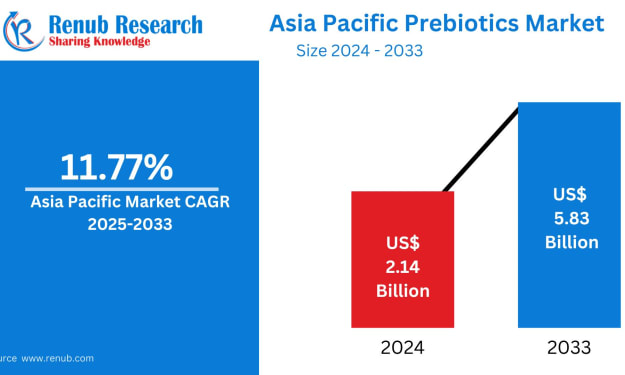
Asia Pacific Prebiotics Market: A Region Poised for Gut-Health Revolution The Asia Pacific prebiotics market is entering a transformative decade. With rising health awareness, aging populations, expanding functional food industries, and rapid advancements in biotechnology, prebiotics have become a central ingredient in modern nutrition strategies across the region. According to Renub Research, the Asia Pacific Prebiotics Market is expected to reach US$ 5.83 billion by 2033, growing from US$ 2.14 billion in 2024, at a robust CAGR of 11.77% from 2025 to 2033.
By Janine Root 2 days ago in 01
How to Choose a Web Design Agency for Long-Term Product Growth
If you are looking at a site like a catalog of past work and thinking about hiring a web design agency for B2B and product teams, you are probably already past the phase where “making it look good” is the main problem.
By Valeriia Shulga4 days ago in 01
Miss Persephone's Manual to a Seemingly Ordinary Life
Miss Persephone was found at the dining table, her blue eyes swollen, her tears arriving and retreating like the tides of the ocean. Earlier that day, her family had visited her in the retirement home where she had lived for eight years. It was her eightieth birthday.
By Imola Tóth3 days ago in Fiction



Comments
There are no comments for this story
Be the first to respond and start the conversation.